Top indoor fireplace alternatives for modern homes 2026
Finding the perfect indoor fireplace for your home shouldn’t mean compromising on style, sustainability, or flexibility. Many modern homes lack traditional chimneys, leaving homeowners searching for alternatives that deliver ambiance without major renovations. Whether you’re drawn to clean-burning bioethanol models, realistic electric options, or compact tabletop designs, understanding key selection criteria helps you choose a fireplace that fits your space and values. This guide walks you through essential factors, compares top alternatives, and offers practical advice to help you create the cozy atmosphere you want.
Table of Contents
- Key takeaways
- How to choose indoor fireplace alternatives: key criteria
- Top indoor fireplace alternatives: stylish and eco-friendly options
- Comparing indoor fireplace alternatives: features and suitability
- Choosing the right indoor fireplace alternative for your home
- Explore stylish and eco-friendly indoor fireplaces at Flaemme
- FAQ
Key Takeaways
| Point | Details |
|---|---|
| Design and style | Choose a fireplace with sleek lines and durable materials that match your decor. |
| Eco friendly choice | Consider bioethanol or electric options for low emissions and sustainability. |
| Portability and placement | Opt for tabletop or freestanding models to move and place indoors or outdoors. |
| Safety and maintenance | Review safety certifications and maintenance needs to fit your skills. |
| Space and heat planning | Measure your space and check heat output before buying to avoid overpowering small rooms. |
How to choose indoor fireplace alternatives: key criteria
Selecting the right indoor fireplace starts with understanding what matters most for your home and lifestyle. Style tops the list for design-conscious homeowners who want a fireplace that complements modern décor rather than clashing with it. Look for sleek lines, quality materials like tempered glass or stainless steel, and finishes that match your existing furnishings.
Eco-friendliness ranks equally high, especially if you value sustainability. Bioethanol fireplaces offer ventless operation ideal for eco-friendly, portable home use, burning renewable fuel that produces only water vapor and minimal carbon dioxide. Electric models generate zero emissions at the point of use, making them another green choice.
Portability matters when you want flexibility to rearrange your space or take your fireplace outdoors during warmer months. Tabletop and freestanding designs let you move ambiance wherever you need it, from living rooms to patios. Safety considerations include stable bases, heat-resistant materials, and clear instructions for fuel handling. Maintenance should be straightforward, with easy-to-clean burners and accessible replacement parts.
Pro Tip: Before purchasing, measure your intended space and check the fireplace’s heat output to ensure it provides adequate warmth without overwhelming smaller rooms.
When evaluating options, use this checklist:
- Confirm the fireplace fits your available space and complements your décor style
- Verify fuel type aligns with your environmental values and local availability
- Check portability features if you plan to move the unit between rooms or outdoor areas
- Review safety certifications and user guidelines for safe operation
- Assess maintenance requirements to ensure they fit your schedule and skill level
Top indoor fireplace alternatives: stylish and eco-friendly options
Bioethanol and electric fireplaces provide clean, ventless alternatives suited for modern homes without chimneys. Bioethanol models burn renewable liquid fuel in a contained burner, creating real flames without smoke, ash, or odor. They come in wall-mounted, freestanding, and tabletop designs, offering versatility for any room. Installation requires no venting or gas lines, just a stable surface and proper clearance from flammable materials.
Electric fireplaces simulate flames using LED technology and heating elements, delivering realistic visuals with zero emissions. They plug into standard outlets, making them ideal for renters or anyone avoiding permanent installations. Many models include adjustable flame settings and thermostats, letting you enjoy ambiance without heat during warmer seasons.

Gel fuel fireplaces use canisters of isopropyl alcohol-based gel to produce small, clean flames. They’re affordable and portable, perfect for adding decorative warmth to dining tables or mantels. However, they generate less heat than bioethanol or electric options, making them better suited for ambiance than primary heating.
Wood stoves and pellet stoves offer traditional appeal with crackling flames and substantial heat output. They require chimneys or flue systems, reducing portability and increasing installation complexity. While they burn renewable biomass, they produce smoke and ash, demanding regular cleaning and maintenance.
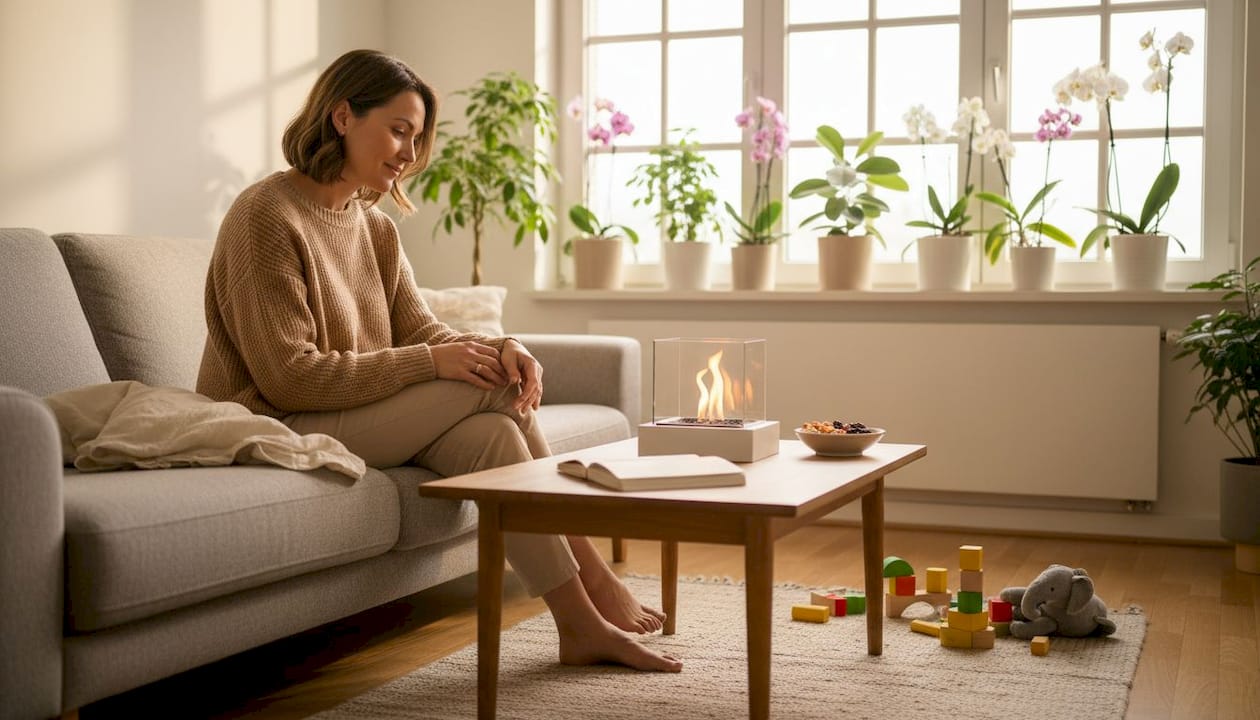
Tabletop fireplaces combine compact size with aesthetic impact, fitting seamlessly on coffee tables, side tables, or outdoor dining surfaces. Most run on bioethanol, delivering real flames in elegant glass or metal enclosures. Their small footprint makes them perfect for apartments, condos, or smaller rooms where larger fireplaces would overwhelm the space.
Pro Tip: Consider your primary goal when choosing a fireplace type. If ambiance matters most, bioethanol or gel fuel works beautifully. For consistent heat and visual realism, electric models excel.
- Bioethanol fireplaces deliver real flames with zero smoke, ideal for eco-conscious homeowners seeking portable warmth
- Electric fireplaces offer plug-and-play convenience with adjustable heat and flame settings for year-round use
- Gel fuel fireplaces provide affordable, decorative flames suitable for occasional ambiance rather than primary heating
- Tabletop models maximize style in minimal space, perfect for apartments or rooms with limited floor area
Comparing indoor fireplace alternatives: features and suitability
Understanding how different fireplace types stack up helps you identify the best match for your needs. This comparison highlights key features across popular alternatives.
| Fireplace Type | Fuel Type | Installation | Heat Output | Eco Impact | Portability |
|---|---|---|---|---|---|
| Bioethanol | Renewable liquid ethanol | No venting required | Moderate (2,000-6,000 BTU) | Low emissions, clean burn | High (freestanding/tabletop) |
| Electric | Electricity | Plug into outlet | Low to moderate (up to 5,000 BTU) | Zero point-of-use emissions | Moderate (some models heavy) |
| Gel Fuel | Isopropyl gel canisters | None needed | Low (decorative warmth) | Minimal emissions | High (lightweight, compact) |
| Wood Stove | Firewood | Requires chimney/flue | High (20,000+ BTU) | Smoke, ash, particulates | Low (permanent installation) |
| Pellet Stove | Compressed wood pellets | Requires venting | High (8,000-50,000 BTU) | Lower emissions than wood | Low (requires hopper, venting) |
Bioethanol fireplaces have minimal installation requirements and produce no smoke or ash, making them ideal for small spaces. They suit apartments, condos, and homes where structural modifications aren’t possible. Their moderate heat output works well for supplemental warmth in living rooms or bedrooms, though they won’t replace central heating in colder climates.
Electric fireplaces shine in rental properties or spaces where open flames aren’t permitted. They’re safe around children and pets, with cool-touch glass and automatic shutoff features. Their adjustable settings let you control both flame appearance and heat independently, offering flexibility for different seasons.
Gel fuel fireplaces excel as centerpiece accents for dinner parties or outdoor gatherings. Their low heat output limits practical warming, but their portability and ease of use make them popular for special occasions. Wood and pellet stoves deliver serious heat for primary or zone heating but demand dedicated space, regular fuel supply, and consistent maintenance.
Safety and maintenance considerations:
- Bioethanol models need proper ventilation and careful fuel handling to prevent spills
- Electric fireplaces require minimal upkeep beyond occasional dusting and bulb replacement
- Gel fuel units need canister replacement and burner cleaning after extended use
- Wood and pellet stoves demand regular ash removal, chimney cleaning, and component inspection
Choosing the right indoor fireplace alternative for your home
Narrowing your choice becomes easier when you follow a structured approach tailored to your specific situation. Start by assessing your space and priorities.
- Measure your room dimensions and identify where the fireplace will sit, noting clearance requirements for safety
- Define your primary goal: ambiance, supplemental heat, or both, which determines necessary heat output
- Set a realistic budget covering not just purchase price but ongoing fuel or electricity costs
- Evaluate your design preferences, from minimalist glass tabletops to traditional cast iron stoves
- Consider maintenance commitment, choosing low-maintenance electric or gel options if time is limited
Many homeowners prefer bioethanol fireplaces for their combination of ambiance, ease of use, and eco-friendliness. Their real flames create authentic warmth and atmosphere without the hassle of wood storage or chimney cleaning. For renters or those in strict HOA communities, electric models offer comparable visual appeal with zero installation barriers.
“The rise of bioethanol fireplaces reflects a broader shift toward sustainable home design. Homeowners increasingly want products that deliver beauty and function without environmental compromise. These fireplaces meet that demand perfectly, offering real flames with minimal ecological footprint.”
Before finalizing your purchase, use this evaluation checklist:
- Verify the fireplace meets local fire codes and building regulations for indoor use
- Confirm fuel availability in your area, especially for bioethanol or gel options
- Read user reviews focusing on durability, customer service, and real-world performance
- Check warranty coverage and return policies to protect your investment
- Ensure the design complements your existing décor and enhances rather than dominates your space
Your ideal fireplace balances practical needs with aesthetic desires. If you prioritize eco-friendliness and portability, bioethanol or gel fuel models deliver. For hassle-free operation and consistent performance, electric fireplaces excel. Those seeking maximum heat output and traditional ambiance may prefer wood or pellet stoves despite their installation complexity.
Explore stylish and eco-friendly indoor fireplaces at Flaemme
Ready to transform your living space with a fireplace that matches your values and style? Flaemme specializes in modern bioethanol and tabletop fireplaces designed for homeowners who refuse to compromise on aesthetics or sustainability. Our curated collection features sleek, portable designs that create instant ambiance without chimneys, gas lines, or complex installations.
Every Flaemme fireplace burns clean bioethanol fuel, producing real flames with zero smoke or ash. Whether you’re furnishing a compact apartment or enhancing a spacious living room, our range includes options for every space and budget. Browse detailed product specifications, safety guidelines, and styling inspiration to find your perfect match. Enjoy free delivery across Europe and a 30-day return policy, ensuring you’re completely satisfied with your choice. Visit Flaemme today to discover how easy it is to bring warmth and elegance into your home.
FAQ
What are the cleanest burning indoor fireplace alternatives?
Bioethanol fireplaces burn cleanly producing no smoke or ash. They use renewable liquid ethanol fuel that combusts into water vapor and minimal carbon dioxide, leaving no residue on walls or furniture. Electric fireplaces also rank high for cleanliness, generating zero emissions at the point of use and requiring only occasional dusting to maintain appearance.
Are electric fireplaces safe for rental apartments?
Electric fireplaces require no venting and are safe for apartments. They plug into standard outlets without structural modifications, making them ideal for renters. Most models include safety features like automatic shutoff, cool-touch glass, and tip-over protection. Always check your lease agreement and local regulations before installing any heating device, but electric fireplaces typically meet the strictest rental property requirements.
How do I maintain a bioethanol fireplace safely?
Regular cleaning and safe fueling are essential for bioethanol fireplace maintenance. Wipe down the burner and glass surfaces after each use once fully cooled to prevent residue buildup. Only use recommended bioethanol fuel from reputable suppliers, and never refill while the burner is hot or lit. Store fuel in a cool, dry place away from heat sources, and inspect seals and components regularly for wear or damage.