Why choose smokeless fire solutions for eco-friendly ambiance
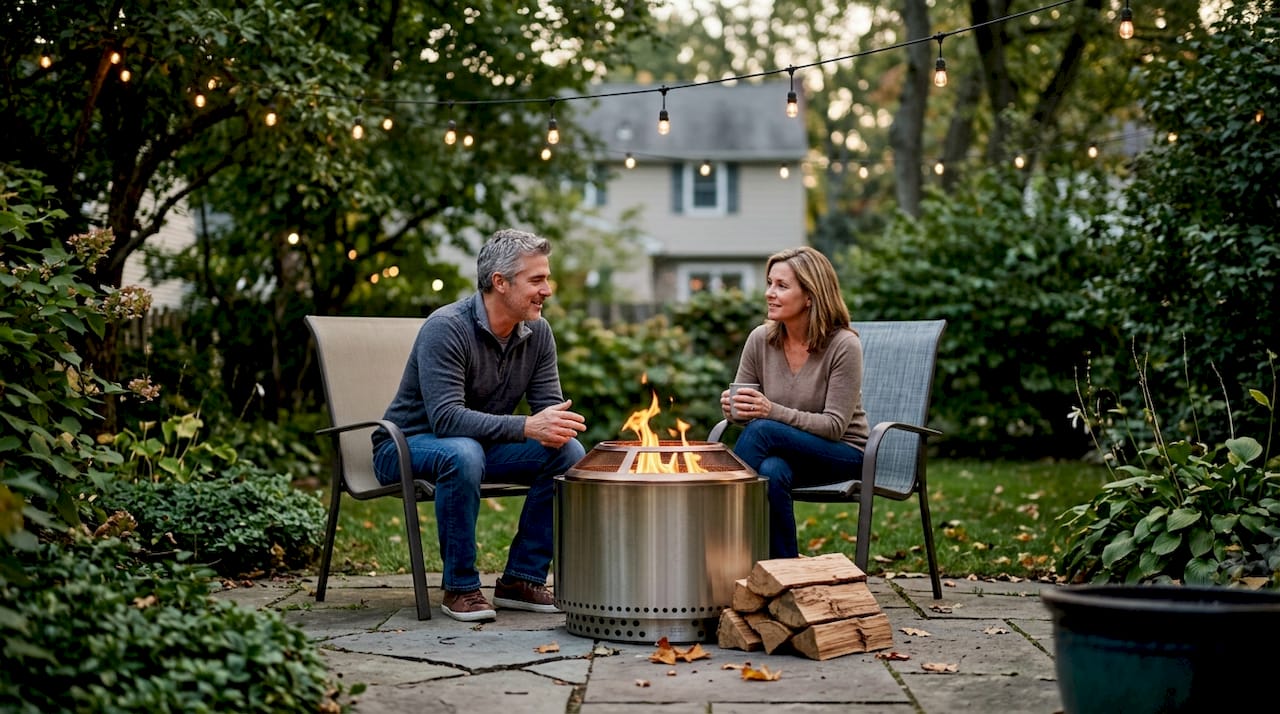
Most people assume fire pits are inherently smoky and polluting, but modern smokeless fire solutions challenge this misconception entirely. These innovative designs combine secondary combustion technology with sleek aesthetics to deliver up to 80% fewer particulate emissions than traditional wood fires. For design-conscious adults in the DACH region seeking stylish, eco-friendly warmth, smokeless fire pits offer a compelling blend of environmental responsibility and visual appeal. This guide explores why these solutions are transforming indoor and outdoor spaces across Europe.
Table of Contents
- Key takeaways
- Understanding why smokeless fire solutions matter
- How design and technology create stylish, low-emission fire experiences
- Choosing the right fuel and setup for optimal smokeless performance
- Comparing smokeless fire solutions with traditional fire pits
- Explore stylish, eco-friendly smokeless fire solutions at Flaemme
- Frequently asked questions
Key Takeaways
| Point | Details |
|---|---|
| Eighty percent reduction | Smokeless fire pits emit about 2.2 g PM per kg of firewood, representing an eighty percent reduction from traditional pits. |
| Proper fuel matters | Choosing the right fuel and correct setup improves emissions performance and avoids overpromising on zero smoke. |
| Tech driven design | Secondary combustion technology captures smoke and unburned gases and reignites them to produce cleaner flames and higher efficiency. |
| Realistic expectations | Marketing claims of zero smoke are misleading because smokeless designs substantially reduce smoke rather than eliminate it. |
| Stylish eco options | In the DACH region stylish designs prove you can have warm ambiance and eco friendly operation at the same time. |
Understanding why smokeless fire solutions matter
Traditional wood fires create more than just warmth and ambiance. They emit substantial amounts of particulate matter that harm both human health and environmental quality. These microscopic particles penetrate deep into lungs, contributing to respiratory issues and degrading local air quality. For households prioritizing wellness and sustainability, this pollution presents a genuine concern.
Smokeless fire pits address this problem through engineering innovations that dramatically reduce emissions. Empirical data shows smokeless fire pits emit 2.2 g PM/kg firewood, representing an 80% reduction compared to traditional pits that produce 11.3 g PM/kg. This substantial decrease transforms the fire pit experience from a polluting activity into a relatively clean one. The reduction benefits not only personal comfort but also neighborhood air quality, making outdoor gatherings more enjoyable for everyone nearby.
The environmental advantages extend beyond immediate smoke reduction. Lower particulate emissions mean less contribution to regional air pollution and reduced carbon footprint from incomplete combustion. For eco-conscious users in urban and suburban DACH settings, this aligns perfectly with broader sustainability goals. You can enjoy the primal appeal of fire without compromising environmental values.
“The reduction in smoke production creates a more pleasant outdoor environment while addressing legitimate health and environmental concerns associated with traditional fire pits.”
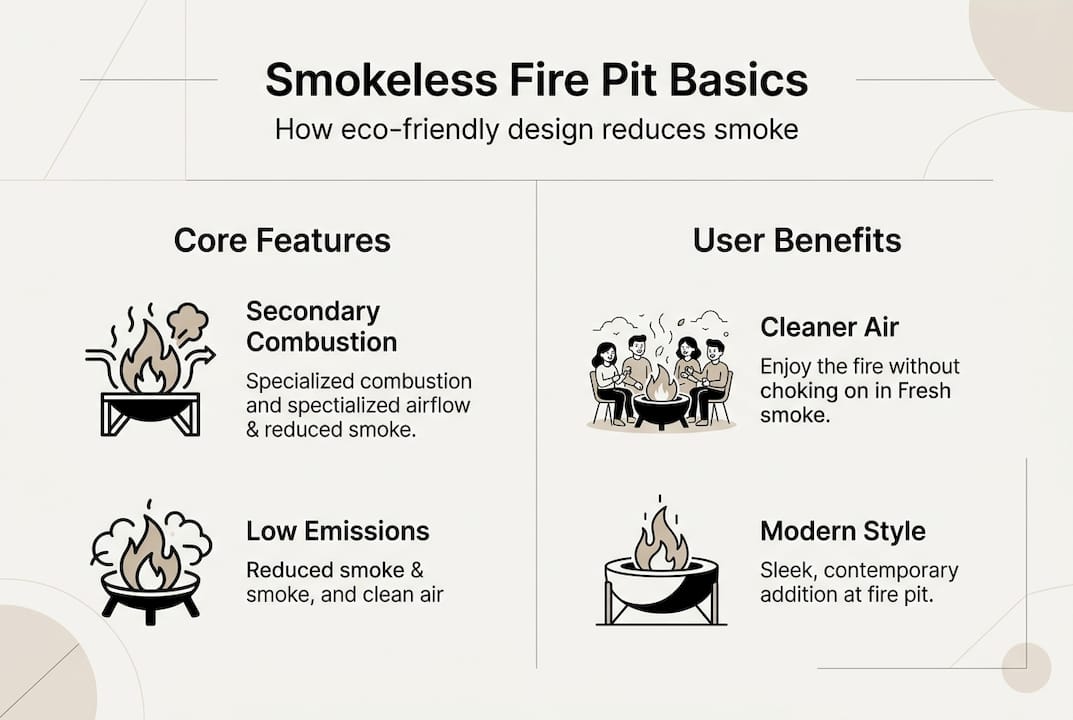
Understanding the essential features of a smokeless fire pit helps you recognize quality designs that deliver on emission reduction promises. These features include proper ventilation systems, combustion chamber geometry, and airflow management. When combined effectively, they create conditions for nearly complete fuel combustion. The result is cleaner flames, less ash, and minimal smoke that would otherwise irritate eyes and lungs during outdoor gatherings.
Pro Tip: Position your smokeless fire pit in an area with natural airflow to enhance combustion efficiency and further minimize any residual smoke production.
How design and technology create stylish, low-emission fire experiences
Secondary combustion technology forms the core of smokeless fire pit innovation. This process captures smoke particles and unburned gases, then reignites them at higher temperatures to produce additional heat and cleaner flames. The system works by channeling air through vents that feed oxygen to both the primary fire and a secondary combustion zone above it. This dual-layer burning ensures more complete fuel consumption and dramatically reduced emissions.
Secondary combustion boosts efficiency and creates hotter flames, but experts note these systems demand proper fuel selection and setup. Marketing claims of “zero smoke” can be misleading, as even optimized systems produce some emissions under certain conditions. The key is understanding that “smokeless” means substantially reduced smoke, not its complete elimination. Realistic expectations help users appreciate the genuine benefits without disappointment.
Popular products in the DACH region demonstrate how technology and design converge. Models like Solo Stove Bonfire, Terma Smofree, and Flamesa Pelletofen offer stylish options that reduce smoke by up to 95% while complementing modern terrace and garden aesthetics. These designs feature sleek stainless steel construction, minimalist profiles, and portable formats that suit various outdoor spaces. The Terma 2in1 model, for example, combines a fire bowl with a cooking plate, adding functional versatility to emission reduction.
Design-conscious consumers benefit from several aesthetic and practical advantages:
- Clean lines and contemporary materials that match modern outdoor furniture
- Compact footprints suitable for smaller European terraces and balconies
- Portable designs allowing flexible placement for different occasions
- Minimal maintenance requirements compared to traditional masonry fire pits
- Dual-purpose functionality for both ambiance and outdoor cooking
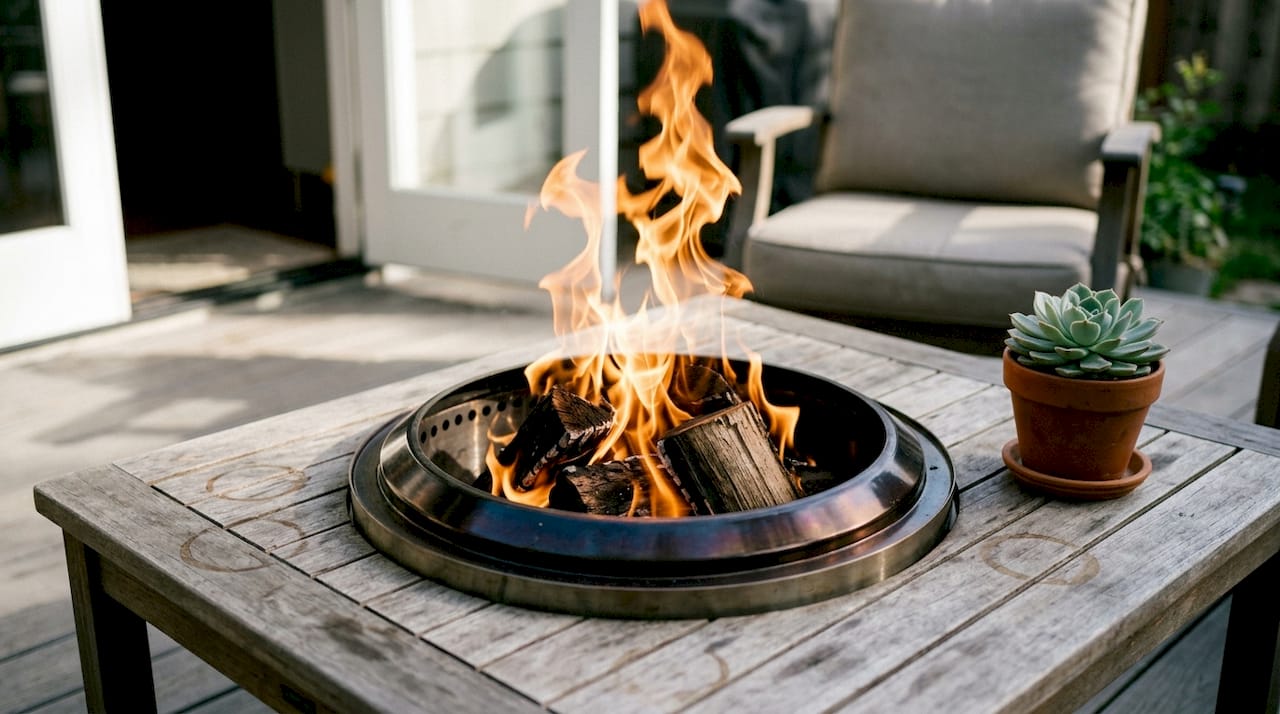
The visual appeal extends to the fire itself. Secondary combustion creates taller, more dynamic flames with a mesmerizing quality that enhances outdoor ambiance. The cleaner burn produces less ash and residue, keeping the fire pit and surrounding area tidier. This combination of form and function explains why smokeless solutions are gaining popularity among design-focused homeowners.
Pro Tip: Choose a smokeless fire pit with a finish that complements your existing outdoor decor, whether that’s brushed stainless steel for modern spaces or powder-coated black for traditional settings.
Understanding tabletop fire pit aesthetics reveals how smaller smokeless solutions can enhance indoor and outdoor spaces without overwhelming them. These compact options bring the benefits of clean-burning technology to intimate settings like dining tables and side tables.
Choosing the right fuel and setup for optimal smokeless performance
Fuel selection dramatically impacts emission levels, even with advanced smokeless technology. Studies confirm improved stoves reduce PM2.5 and ultrafine particles compared to open fires, but fuels like briquettes can actually increase emissions despite the improved combustion system. Dry seasoned wood consistently produces the lowest particulate matter, making it the optimal choice for health-conscious users.
The moisture content of wood directly affects combustion quality and smoke production. Wet or green wood creates excessive smoke as energy is wasted evaporating water instead of burning fuel efficiently. Properly seasoned wood, with moisture content below 20%, ignites more easily and burns hotter with minimal smoke. This fundamental principle applies to all fire pits but becomes especially important with smokeless designs that rely on complete combustion.
Best practices for fuel selection and preparation include:
- Use hardwoods like oak, ash, or beech that have been seasoned for at least 6 to 12 months
- Store firewood in a dry, ventilated area protected from rain and ground moisture
- Split logs into smaller pieces to increase surface area and improve combustion
- Avoid treated wood, painted materials, or construction waste that release toxic chemicals
- Skip fire starters containing petroleum products that create additional smoke and odors
Proper airflow management ensures your smokeless fire pit operates at peak efficiency. Most designs feature adjustable vents that control oxygen flow to the combustion chamber. Opening these vents fully during startup helps establish a strong initial burn, while fine-tuning them during operation maintains optimal flame height and heat output. Blocked vents or poor air circulation can compromise the secondary combustion process, leading to increased smoke.
Maintenance practices extend the life of your fire pit and preserve its smokeless performance:
- Remove ash regularly to prevent buildup that restricts airflow through bottom vents
- Clean vent holes and combustion chambers annually to maintain proper oxygen flow
- Inspect for rust or damage that could compromise structural integrity or airflow patterns
- Store the fire pit in a dry location during winter months to prevent corrosion
- Apply high-temperature protective coatings as recommended by manufacturers
Pro Tip: Invest in a moisture meter to test firewood before burning. Wood with moisture content above 20% will produce significantly more smoke regardless of your fire pit’s technology.
| Fuel Type | Moisture Content | Particulate Emissions | Burn Quality |
|---|---|---|---|
| Dry seasoned hardwood | Below 20% | Lowest | Excellent |
| Kiln-dried wood | 10 to 15% | Very low | Superior |
| Partially seasoned wood | 20 to 30% | Moderate | Fair |
| Green/wet wood | Above 30% | High | Poor |
| Compressed briquettes | Varies | Higher than seasoned wood | Inconsistent |
Comparing fire pit options helps you understand how fuel requirements differ across designs and why proper selection matters for achieving desired results.
Comparing smokeless fire solutions with traditional fire pits
Direct comparison clarifies the practical differences between smokeless and traditional fire pit technologies. While both create warmth and ambiance, their environmental impact, efficiency, and user experience differ substantially. Understanding these distinctions helps you make informed decisions aligned with your priorities.
Empirical benchmarks validate approximately 80% particulate matter reduction, making smokeless solutions particularly appealing for eco-aware adults seeking sustainable indoor and outdoor enhancement. This dramatic emission decrease translates to tangible benefits during use. Less smoke means less eye irritation, reduced odor on clothing and furniture, and improved air quality for everyone nearby. These advantages matter especially in residential settings where neighbors are close.
| Feature | Smokeless Fire Pits | Traditional Fire Pits |
|---|---|---|
| Particulate emissions | 2.2 g PM/kg firewood | 11.3 g PM/kg firewood |
| Fuel efficiency | High due to secondary combustion | Moderate with significant waste |
| Smoke production | Minimal after proper startup | Continuous throughout burn |
| Design aesthetics | Modern, sleek profiles | Rustic, traditional appearance |
| Portability | Often lightweight and movable | Usually permanent installations |
| Maintenance | Regular ash removal, annual cleaning | Frequent cleaning, potential repairs |
| Initial cost | Higher investment | Lower upfront expense |
| Operating cost | Lower due to fuel efficiency | Higher from fuel waste |
Fuel efficiency represents a significant practical advantage. Secondary combustion extracts more heat from the same amount of wood by burning gases that would otherwise escape as smoke. This means you use less fuel for equivalent warmth and ambiance. Over time, improved efficiency offsets the higher initial cost of smokeless designs, especially for frequent users.
Aesthetic considerations influence purchasing decisions for design-conscious consumers. Smokeless fire pits typically feature:
- Contemporary materials like stainless steel and powder-coated aluminum
- Minimalist designs that complement modern outdoor furniture and landscaping
- Compact footprints suitable for smaller European terraces and urban gardens
- Portable formats allowing flexible placement and seasonal storage
- Dual-purpose functionality combining fire features with cooking surfaces or tables
Traditional fire pits offer their own appeal through rustic charm and simplicity. They require no special technology, making them straightforward to build or purchase at lower cost. For occasional use in large open spaces where smoke disperses easily, traditional designs may suffice. However, their higher emissions and lower efficiency make them less suitable for regular use in residential settings.
User experience differs notably between the two technologies. Smokeless fire pits require more attention to fuel quality and initial setup but reward users with cleaner, more enjoyable fires. Traditional pits are more forgiving of fuel quality but produce smoke that can dominate the outdoor experience. Your choice depends on whether you prioritize convenience or environmental performance.
The growing popularity of smokeless fire pits in European households reflects increasing awareness of these benefits and willingness to invest in superior technology for better outdoor living experiences.
Explore stylish, eco-friendly smokeless fire solutions at Flaemme
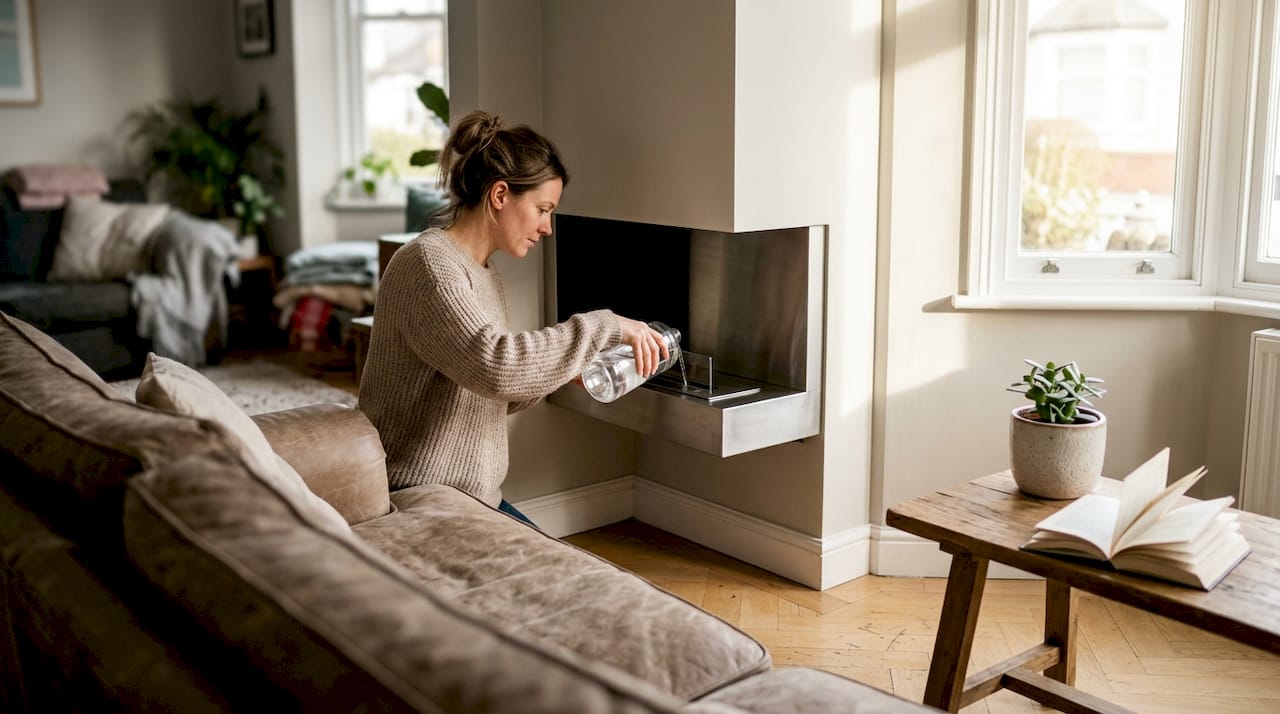
Now that you understand the environmental and aesthetic benefits of smokeless fire technology, consider how these solutions can transform your indoor and outdoor spaces. Flaemme specializes in modern bio ethanol tabletop fireplaces that deliver clean-burning ambiance without installation, chimneys, or gas connections. Our curated collection combines contemporary design with environmental responsibility, perfect for design-conscious customers seeking sustainable warmth.

Our portable tabletop fire pits create instant atmosphere for terraces, dining tables, and living spaces throughout the DACH region. Each piece is designed to complement modern aesthetics while delivering the primal appeal of real flames. With free delivery across Europe and 30-day returns, exploring Flaemme’s smokeless fire solutions offers a risk-free way to enhance your home’s ambiance sustainably.
Frequently asked questions
What are smokeless fire solutions?
Smokeless fire solutions are advanced fire pit designs that use secondary combustion technology to dramatically reduce smoke production compared to traditional wood fires. They burn smoke particles and unburned gases by reigniting them at higher temperatures, resulting in cleaner flames and approximately 80% fewer particulate emissions. While not completely smoke-free, these solutions provide a substantially cleaner fire experience ideal for residential outdoor spaces.
How do smokeless fire pits reduce smoke emissions?
These systems channel air through specialized vents that feed oxygen to both the primary fire and a secondary combustion zone above it. The secondary zone reignites smoke particles and gases that would normally escape, burning them at temperatures high enough to eliminate most visible smoke. This dual-layer combustion process generates hotter, cleaner flames while extracting more heat from the same amount of fuel.
Which fuels should I use for a smokeless fire pit?
Dry, seasoned hardwood with moisture content below 20% delivers optimal performance and minimal emissions. Woods like oak, ash, and beech that have been properly seasoned for 6 to 12 months work best. Avoid briquettes, wet wood, treated lumber, and construction waste, as these materials increase smoke production and can release harmful chemicals even with advanced combustion technology.
Can smokeless fire pits be used indoors?
Most smokeless fire pits are designed for outdoor use or well-ventilated covered spaces like open patios. Indoor use depends on specific product safety ratings, ventilation capabilities, and local building codes. Bio ethanol tabletop fireplaces offer a safer indoor alternative, producing no smoke or ash while delivering real flame ambiance. Always verify manufacturer guidelines and ensure adequate ventilation before using any fire feature indoors.
How much maintenance do smokeless fire pits require?
Regular ash removal after each use prevents buildup that restricts airflow through bottom vents. Annual deep cleaning of vent holes and combustion chambers maintains optimal oxygen flow and secondary combustion performance. Inspect for rust or damage seasonally, and store the unit in a dry location during winter months to prevent corrosion. Proper maintenance preserves both emission reduction capabilities and aesthetic appeal for years of reliable use.