Fuels for Home Fireplaces: The 2026 Guide
TL;DR:
- Only dry, untreated fuels such as logs, pellets and briquettes belong in a home fireplace, as they keep emissions down. Quality hardwoods such as beech, oak and ash offer high heat output and an even burn, while damp wood is polluting and inefficient. Wood that has been properly stored and air-dried for at least two years burns more efficiently and is kinder to the environment and your neighbours.
The fuel you choose is the deciding factor for efficient, clean and lawful heating at home. Whether you burn logs, pellets, briquettes or something else affects not only your heating costs but also emissions, the lifespan of your stove and your obligations towards neighbours and local authorities. This guide gives an overview of the main fireplace fuels, explains which fuels are generally permitted and offers practical tips for a sustainable choice.
Which fuels are permitted in home fireplaces?
Rules on fireplace fuels differ from country to country. In Germany, for example, they are set out in the First Federal Immission Control Ordinance (1. BImSchV). It specifies which materials may be burned in small and medium-sized combustion appliances and lists approved fuels with specific requirements. Austria and Switzerland have comparable rules built on the same principle: only clean, untreated fuels belong in a stove. Always check what applies where you live.
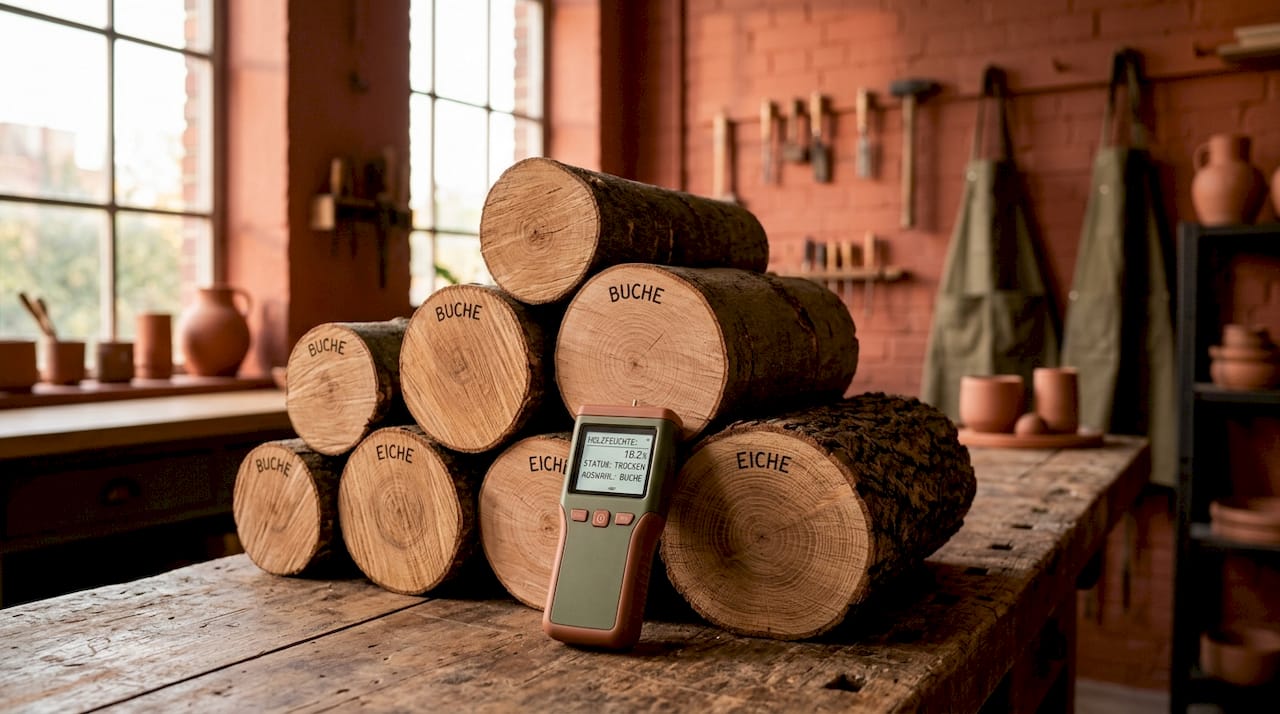
The most important value is moisture content. Firewood should contain less than 20 % residual moisture, because damp wood burns inefficiently, produces more pollutants and damages the chimney through sooting. In practice this means freshly cut wood must not go straight into the stove. It needs to dry for at least one to two years.
The following fuels are generally permitted in home fireplaces:
- Untreated, dry logs (residual moisture below 20 %)
- Approved wood briquettes
- Certified wood pellets
- Approved coal briquettes for suitable stoves
- Untreated pressed straw or grain fuel (in certain stoves)
The following materials are expressly prohibited and can lead to fines:
- Waste wood, painted or coated wood
- Chipboard, MDF and plywood
- Household waste, packaging and plastics
- Newspaper in larger quantities as a firelighter
- Treated pallets or offcuts of construction timber
The consequences of breaking the rules are not only financial. The wrong fuels release polycyclic aromatic hydrocarbons (PAHs), dioxins and heavy metals, which pollute the air in your neighbourhood and put your health and that of your neighbours at risk. Chimney sweeps and authorities can carry out checks if they suspect a problem.
Comparing the main fireplace fuels
Choosing a fuel for your fireplace is not simply a matter of taste. Heat output, burning behaviour, availability and environmental impact vary considerably. Here is a well-founded overview of the most common options.
Hardwoods: beech, oak and ash
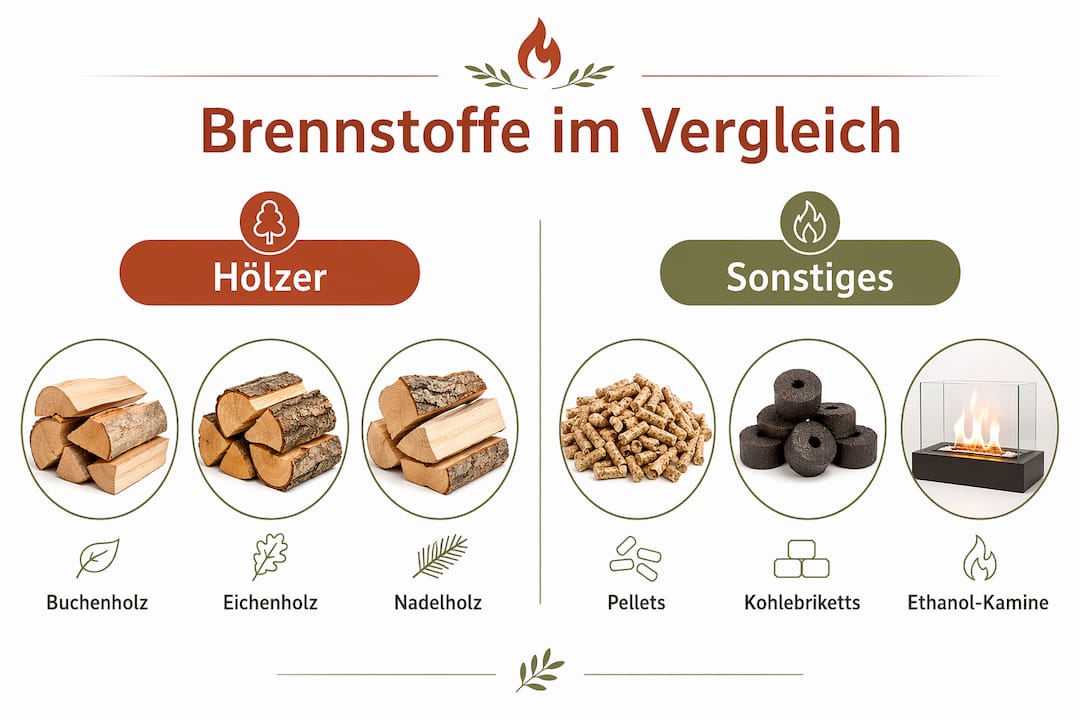
Hardwoods are considered the best choice for fireplaces that are used regularly and intensively. Beech delivers around 2,000 to 2,100 kWh per stacked cubic metre, with oak and ash in a similar range. That means you add logs less often, the stove stays warm for longer and the burn is more even. Beech is widely available in Central Europe and is regarded as the benchmark fuel for wood-burning stoves.
Softwoods: spruce and fir for kindling
Softwoods such as spruce and fir burn faster and, at around 1,400 to 1,600 kWh per stacked cubic metre, deliver considerably less energy than hardwoods. Their high resin content makes them ideal for lighting a fire, as they heat up quickly. They are less suitable as the only fuel, because they burn down fast, throw more sparks and leave more soot when combustion is incomplete.
Pellets: standardised, efficient and automated
Wood pellets are the most modern solid fuel for home heating. They are made to a common standard, uniform in size and moisture content, and allow automatic feeding in pellet stoves. Their emissions are lower than those of logs, because combustion is more even and easier to control. The drawback: pellet stoves cost more to buy, and the future of pellets depends on the availability of residual wood from forestry.
Coal briquettes and hard coal
Coal briquettes may only be used in stoves approved for them. They deliver high heat output and burn for a long time, but are more CO₂-intensive than wood products. Hard coal and lignite play an ever smaller role in home fireplaces, as modern stoves are designed for wood and pellets and emission rules for coal are becoming stricter.
Comparison table of the main fuels
| Fuel | Heat output | Emissions | Cost | Suitability for a home fireplace |
|---|---|---|---|---|
| Beech | High (approx. 2,100 kWh per stacked m³) | Medium (low when dry) | Medium | Very good |
| Spruce | Low (approx. 1,500 kWh per stacked m³) | Higher (resin, soot) | Low | As kindling |
| Wood pellets | High (consistent) | Low (certified pellets) | Medium to high | Very good (pellet stove) |
| Coal briquettes | Very high | High (CO₂) | Low | Approved stoves only |
| Bioethanol | Low (decorative) | Low (CO₂, H₂O) | High | Decorative, not for heating |
Pro tip: Always buy firewood with proof of its moisture content, or measure it yourself with a wood moisture meter. Wood that "feels dry" can still contain 25 to 30 % residual moisture.
How does fuel quality affect the environment and efficiency?
The quality of your fuel has more influence on your stove's efficiency than the brand of the stove itself. Wood quality and proper drying matter more for clean combustion than the type of wood alone. That sounds simple, but it has far-reaching consequences for your heating costs, your chimney and your neighbourhood.
Damp wood does not burn completely. It first has to evaporate the water it contains before it starts producing heat at all. The result: pollutants such as PAHs and tar settle in the chimney, efficiency drops sharply and the smoke bothers the neighbours. Sooting, the build-up of condensate and tar in the chimney, is a direct consequence of wood that is too damp and can lead to costly repairs.
Wood quality is the single most important factor for clean heating. Using dry, untreated wood protects not only the environment but also your stove and your neighbours.
Pellets have a structural advantage here: standardisation keeps their moisture content below 10 %, which ensures an even, clean burn. Logs can only reach such values through careful drying and storage. If you burn logs, you take on more personal responsibility for fuel quality.
From an environmental point of view, wood is regarded as carbon neutral, because the carbon released when it burns was previously absorbed as the tree grew. That balance only holds, however, if the wood comes from sustainable forestry and is burned dry. Pellets made from residual wood and sawdust use material that would otherwise go to waste, which gives them a particularly favourable environmental footprint.
Pro tip: Plan your firewood needs early. Stocking up in spring gives the wood the whole summer to dry and saves money compared with buying in winter.
Storing and handling fireplace fuels correctly
The best type of wood is of little use if it is stored badly. Keeping firewood in an airy, dry place for at least two years is the basic requirement for getting residual moisture below 20 %. Well-stored wood reaches values of 15 to 20 %, which clearly improves both efficiency and emissions.
How to store and use fuel for the best results:
- Store wood split. Split wood dries much faster than round logs because it has a larger surface area. Pieces 25 to 33 cm long are ideal for most stoves.
- Keep the stack covered but open at the sides. A woodpile needs air circulation. A roof keeps the rain off, open sides let moisture escape. Closed sheds or plastic sheeting all round prevent the wood from drying.
- Avoid contact with the ground. Wood lying directly on the soil absorbs moisture and goes mouldy. Pallets or timber bearers keep the stack dry.
- Measure moisture regularly. A wood moisture meter costs between €15 and €40 and gives you certainty before wood goes into the stove. Measure on freshly split faces for accurate readings.
- Light the fire from the top. Place large logs at the bottom, medium-sized wood above them, then kindling, and light it from the top. The top-down method minimises smoke and emissions at the start, because the fire burns hot from the outset and skips the cold, smouldering phase.
- Adjust the air supply when adding wood. Open the air supply fully shortly before adding logs so the temperature does not drop. Too little air leads to incomplete combustion and more pollutants.
- Have the stove and chimney cleaned regularly. Your chimney sweep is not only a requirement but your most important ally for safe and efficient use. Soot deposits reduce the draught and increase the fire risk.
Common mistakes to avoid: adding too much wood at once (lack of oxygen), using paper or cardboard as a firelighter in large quantities, and letting the stove smoulder with the air supply closed to save fuel. The last one is particularly harmful, as it produces the most pollutants and puts the greatest strain on the chimney. Putting energy-saving tips for fireplaces into practice makes your heating not only cheaper but also cleaner.
Key takeaways
The fuel you choose directly determines heating efficiency, emissions and compliance with the rules. Dry hardwood and standardised pellets are the most reliable options for sustainable, safe heating.
| Point | Details |
|---|---|
| Follow the rules | Only approved fuels with residual moisture below 20 % belong in a wood-burning stove. |
| Choose hardwoods | Beech, oak and ash deliver the highest heat output and burn most evenly. |
| Pellets for a clean burn | Certified pellets offer consistent quality and lower emissions than logs. |
| Storage determines quality | Store wood in an airy, dry place for at least two years to reach the right moisture content. |
| Use the top-down method | Lighting the fire from the top significantly reduces smoke and emissions at the start. |
My view on choosing fuel in everyday life
Anyone who looks seriously at fireplace fuels soon realises that most problems are caused not by the wrong type of wood but by poor storage and wood that is too damp. A common pattern: homeowners buy an expensive stove and then heat it with wet wood ordered on impulse in the autumn. The result is a smoking chimney, annoyed neighbours and a stove that shows damage after only a few years.
Rules such as Germany's 1. BImSchV are not a bureaucratic obstacle. They reflect what makes technical and environmental sense. Dry wood burns cleaner, hotter and more cheaply. That is not theory but measurable practice.
I think pellets are the better choice for anyone buying a modern stove who values convenience. A pellet stove can pay for itself through lower emissions, less cleaning and more even warmth. If, on the other hand, you love a traditional log burner and are willing to store and look after your wood yourself, beech or ash will heat your home beautifully. Both routes work. What matters is consistency in quality and storage.
One point that is often underestimated is the effect on the neighbourhood. Smoke from damp wood or the wrong materials is not only an environmental issue but a social one too. Heating cleanly protects your relationship with your neighbours as well as your own health. Planning sustainable fireplace solutions properly from the start saves a lot of trouble.
— V&M
Cosy warmth without compromise: the Flaemme way
If you want to enjoy the glow of a fire without worrying about storing firewood, chimney maintenance or emission rules, Flaemme has an elegant solution.
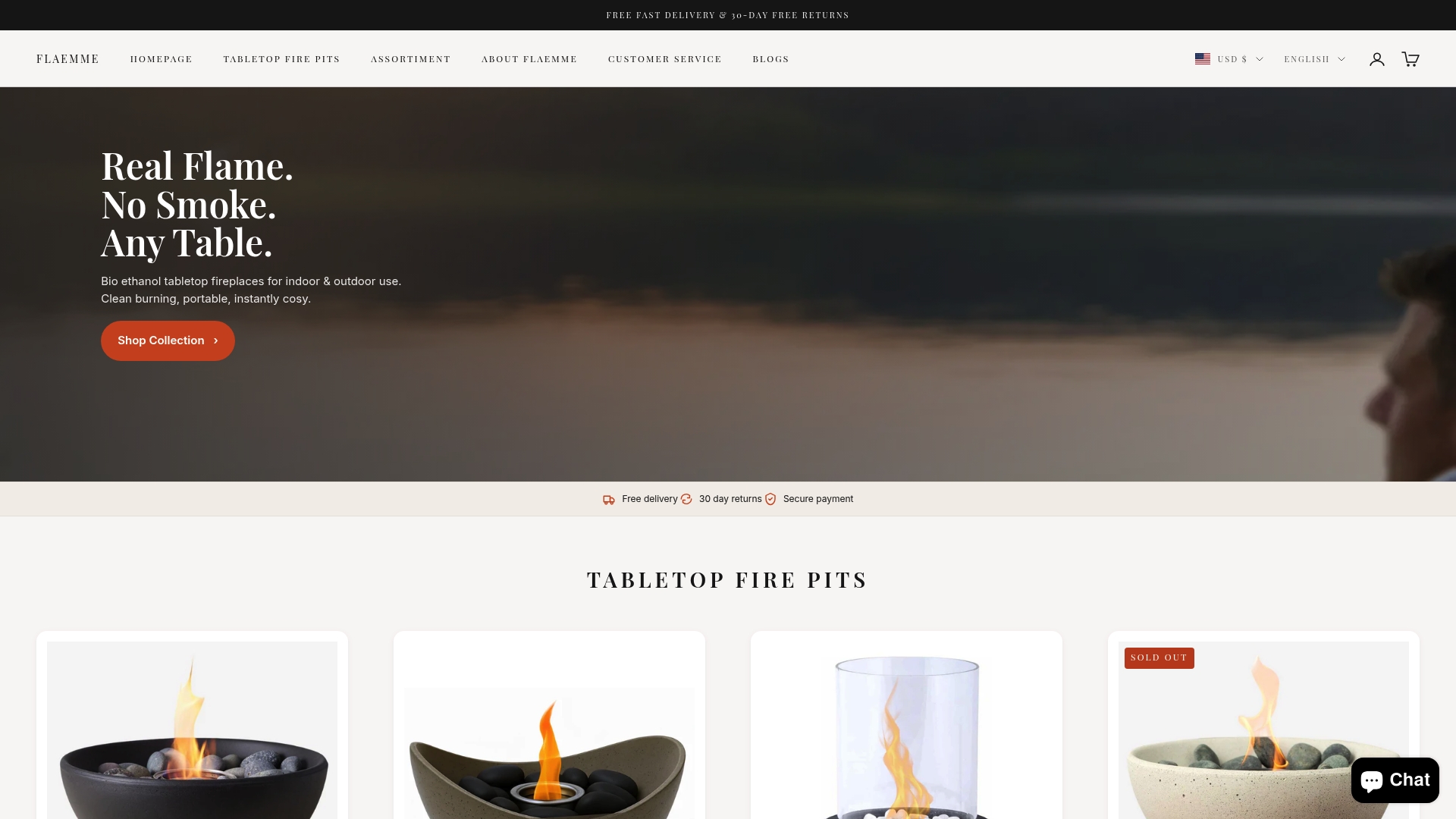
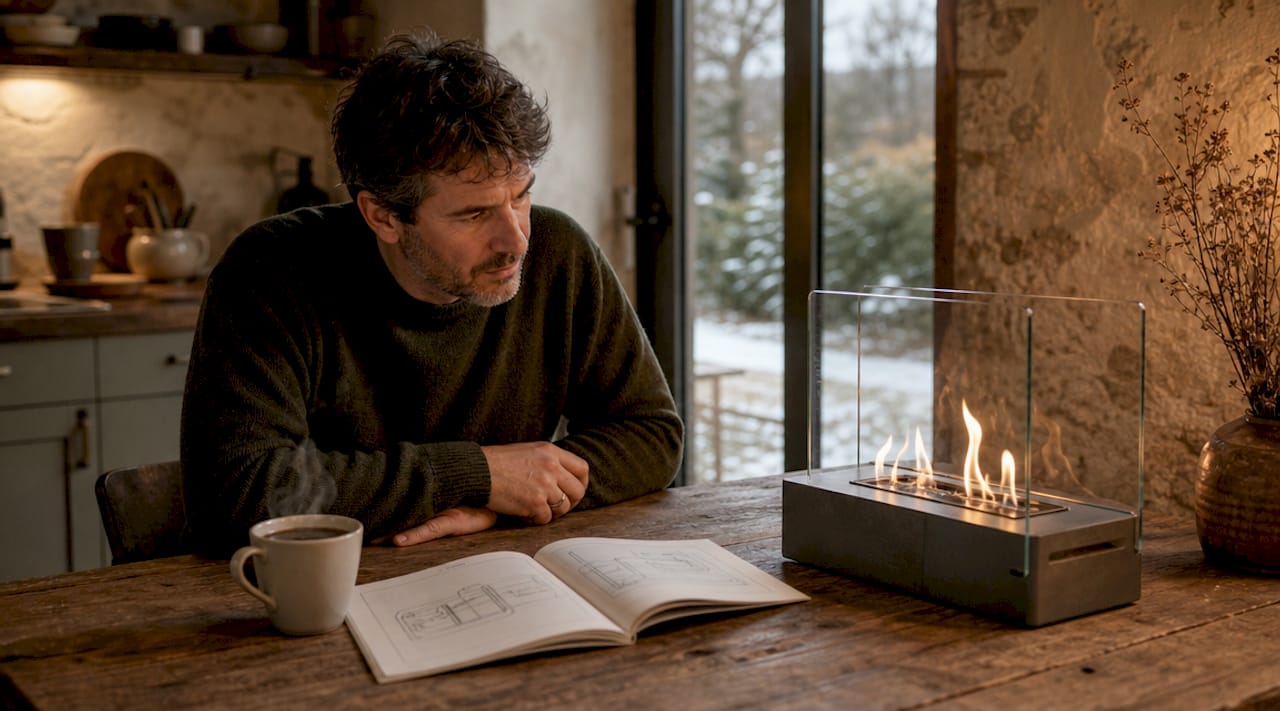
Flaemme's modern bioethanol tabletop fireplaces create a real, living flame without smoke, without a chimney and without installation. Bioethanol burns cleanly to water and CO₂, which makes it a clean choice for the living room. The tabletop fireplaces are portable, ready to use straight away and suitable for indoor use and sheltered outdoor spots. The Ardente burns for 60 to 90 minutes on a filling of up to 150 ml. Discover the Flaemme tabletop fireplaces and enjoy cosy warmth the easy way, with 30 days free returns and a 2-year warranty.
FAQ
Which types of wood are best for wood-burning stoves?
Hardwoods such as beech, oak and ash are the best choice, as they deliver high heat output of up to 2,100 kWh per stacked cubic metre and burn evenly. Softwoods such as spruce are only suitable as kindling.
Can I use pellets in any wood-burning stove?
Pellets may only be used in pellet stoves approved for them. Conventional log burners are not suitable for pellets, as they need a different combustion chamber and air flow.
What happens if I use prohibited fuels?
Burning non-approved material such as chipboard or painted wood can lead to fines and releases harmful pollutants such as PAHs and dioxins. On top of that, your chimney risks damage from sooting.
Are ethanol fireplaces a real alternative for heating?
Ethanol fireplaces are mainly decorative. They consume oxygen and give off only small amounts of heat, so they cannot replace a proper heat source. For atmosphere and occasional warmth, however, modern bioethanol tabletop fireplaces such as Flaemme's are a stylish option, provided you follow the safety instructions and keep the room ventilated.
How can I tell whether my firewood is dry enough?
The most reliable way is a wood moisture meter that confirms residual moisture below 20 %. Visible signs such as cracks on the cut ends and a light colour and weight are clues, but no reliable substitute for a measurement.