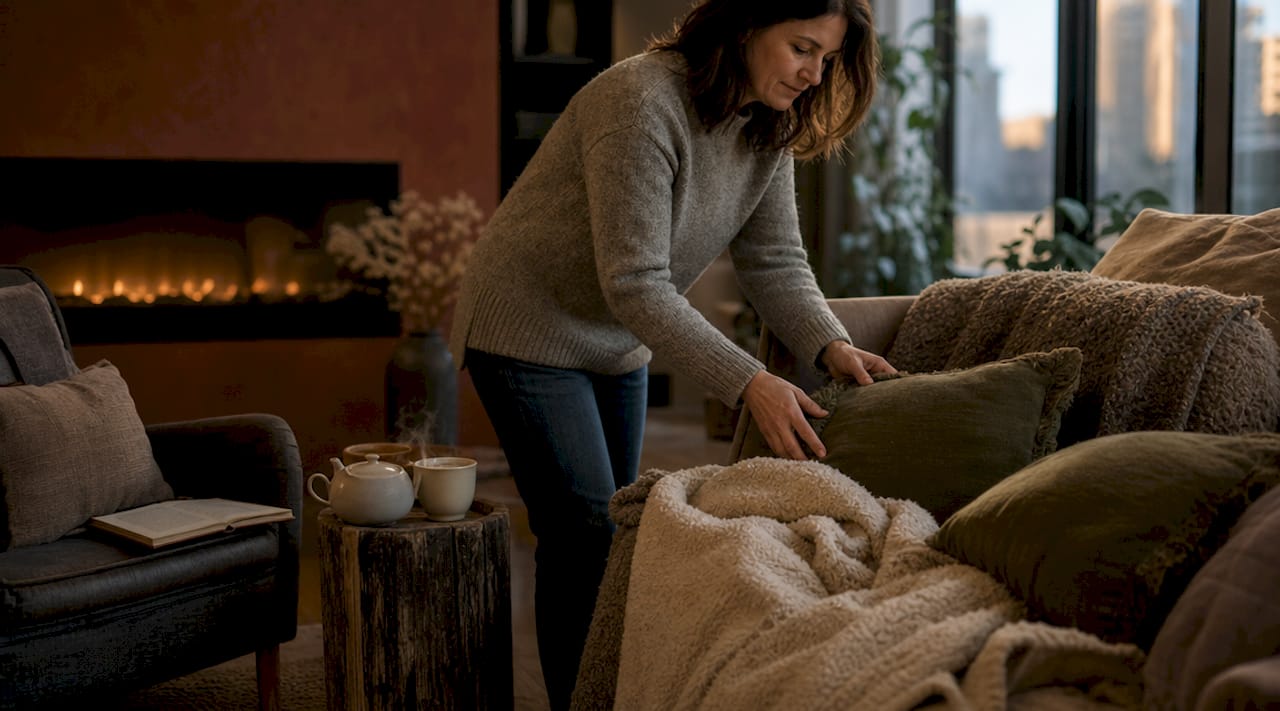
How to Add Warmth Without a Chimney: 2026 Guide
TL;DR:
- Ventless fireplaces like electric, bioethanol, and flueless gas fires offer safe, stylish warmth without traditional chimneys, suitable for various homes and budgets. Enhancing insulation through sealing leaks, layering textiles, and strategic lighting boosts perceived warmth cost-effectively before activating heating systems. Proper professional installation and safety measures ensure chimney alternatives operate safely, while hybrid approaches like heat pumps and zone heating optimize efficiency and comfort.
Adding warmth without a chimney is achievable using ventless fireplaces, smart insulation upgrades, and design strategies that create genuine coziness without major construction. The three main ventless options are electric fireplaces, bioethanol fireplaces, and flueless gas fires, each offering a distinct balance of heat output, aesthetics, and installation requirements. Whether you rent an apartment or own a modern home without a flue, this guide covers every practical method to heat without a chimney safely and stylishly, from plug-in electric units to twin wall flue systems for wood burners, plus design tips that make any room feel warmer before you even switch on a heater.
What are the best ventless fireplace options for chimney-free warmth?
Three primary ventless fireplace types exist for homes without a traditional flue: electric, bioethanol, and flueless gas fires. Each solves the chimney problem differently, and the right choice depends on your space, budget, and how much real flame matters to you.
Electric fireplaces
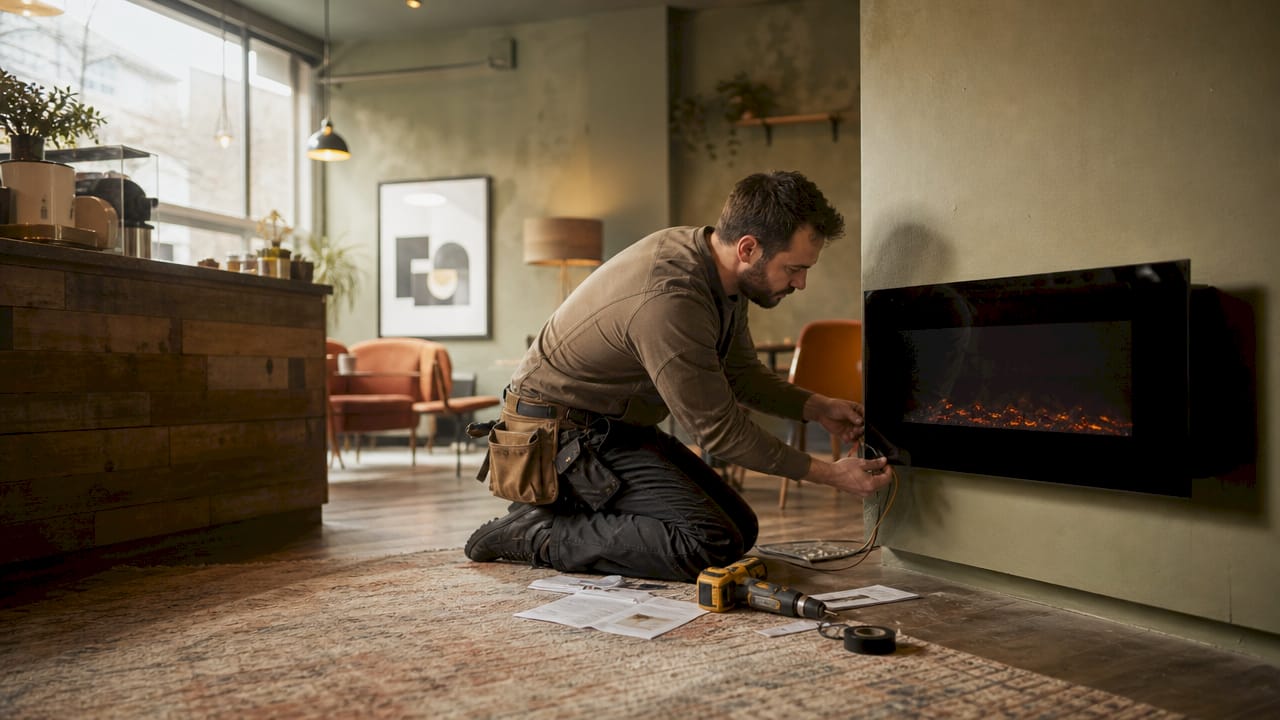
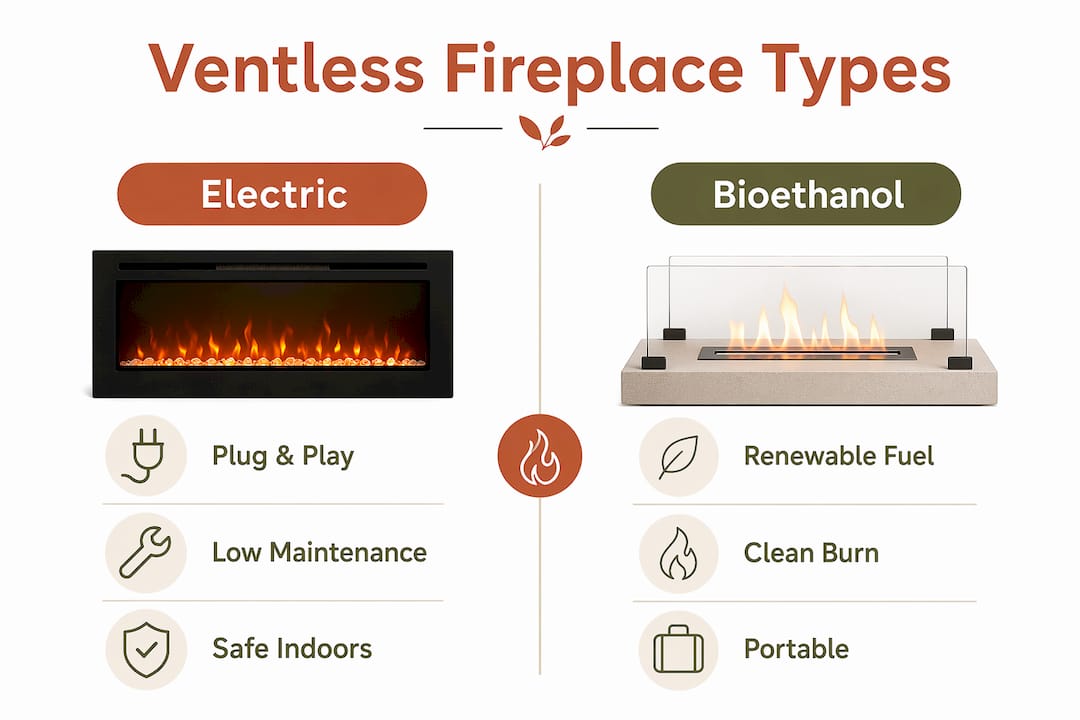
Electric fireplaces are the most accessible way to add warmth without a fireplace. They plug into a standard outlet, require zero venting, and produce no emissions whatsoever. Modern units from brands like Dimplex and MagikFlame use LED technology to replicate a convincing real-flame effect, and many include a built-in heater that warms rooms up to 400 square feet. For renters especially, an electric fireplace is a zero-commitment solution you can take with you when you move.
Bioethanol fireplaces
Bioethanol fireplaces burn bio ethanol fuel, a renewable alcohol-based liquid that produces only water vapor and a small amount of carbon dioxide. They leave zero residue and no smoke, which means no ash to clean and no flue required. Tabletop models from Flaemme are fully portable, so you can move them between rooms or take them outdoors. The real flame provides genuine enchanting warmth and visual charm that LED alternatives cannot fully replicate. For a deeper look at why bioethanol is a strong choice for renters, the eco-friendly bioethanol overview from Flaemme explains the sustainability case clearly.
Flueless gas fires
Flueless gas fires use catalytic converters to burn gas so cleanly that no flue is needed. They reach 100% heating efficiency, meaning every unit of gas becomes usable heat. The trade-off is that professional installation is mandatory, and adequate room ventilation must be maintained at all times. These units are best suited to homeowners rather than renters, given the installation cost and permanence.
| Option | Installation | Heat output | Best for |
|---|---|---|---|
| Electric fireplace | Plug and play | Moderate | Renters, apartments |
| Bioethanol fireplace | None required | Moderate | Renters, style-focused buyers |
| Flueless gas fire | Professional only | High | Homeowners, larger rooms |
| Twin wall flue (wood burner) | Contractor required | High | Homeowners, rural settings |
Pro Tip: If you want real flame without any installation, a tabletop bioethanol fireplace is the fastest route. You can have it burning within minutes of unboxing.
How to create warmth without turning on a heater
Heating accounts for nearly 29% of typical utility bills, so reducing heat loss before you add any heating device is the smartest first move. Several design and insulation strategies raise perceived and retained warmth without any energy cost at all.
Layer textiles strategically. Wool rugs on bare floors reduce heat loss through the ground and make a room feel immediately cozier underfoot. Heavy curtains combined with cellular shades provide high insulating value to windows, which are the biggest source of heat escape in most homes.
Seal invisible air leaks. Gaps around door frames, window sills, and baseboards are responsible for significant heat loss that no heater can fully compensate for. Weatherstripping and layered window treatments trap heat effectively and cost very little to install yourself.
Reverse your ceiling fan. Most ceiling fans have a winter setting that runs the blades clockwise at low speed, pushing warm air that collects near the ceiling back down into the living zone. This simple switch can noticeably reduce how hard your heating system works.
Use warm-toned lighting. Bulbs in the 2700K to 3000K range produce a soft amber glow that signals warmth to the brain even when the temperature is unchanged. Pair them with linen or frosted shades to diffuse the light and prevent harsh glare. Multiple layered light sources, such as floor lamps, table lamps, and candles, create depth and psychological comfort that a single overhead fixture never achieves.
Pro Tip: Place furniture away from exterior walls and windows. Sitting close to a cold wall or glass surface makes you feel colder regardless of the room temperature.
How to install chimney alternative systems safely
For homeowners who want a wood burner or a flueless gas fire without a traditional masonry chimney, the installation path is well-defined but requires professional involvement. Cutting corners on installation is the single most common cause of carbon monoxide incidents and insurance invalidation.
-
Assess your flue route first. A twin wall flue system uses insulated double-layer stainless steel pipes that can be routed through a roof or through an exterior wall. The insulation maintains draught by keeping exhaust gases hot, which enables clean combustion without masonry. Your installer will determine the most practical route based on your home’s structure.
-
Check local building codes. In the United States, NFPA 211 governs chimney, fireplace, and venting system installation. In the UK, Approved Document J and BS 7977-1 apply to solid fuel and gas appliances respectively. Compliance is not optional. Non-compliant installations void home insurance policies and create serious liability.
-
Hire a certified installer. In the UK, HETAS-registered engineers are the recognized standard for solid fuel appliance installation. In the US, look for NFI-certified (National Fireplace Institute) technicians. A certified professional will also issue the documentation your insurer requires.
-
Install carbon monoxide alarms. Flueless gas fires require CO alarms as a non-negotiable safety measure. Place alarms at breathing height in every room where a combustion appliance operates, and test them monthly.
-
Confirm ventilation requirements. Every combustion appliance needs a minimum air supply to operate safely. Your installer will calculate the required ventilation area based on the appliance’s heat input rating. Blocking vents to reduce drafts is a serious safety hazard.
“Safety compliance with chimney and ventilation codes is essential to protect homes and maintain insurance validity.” — Fireplace Experts
For a practical overview of fireplace options for apartments and homes without a chimney, Flaemme’s guide covers the ventless landscape in accessible detail.
Energy-efficient heating alternatives for chimney-free homes
No single heating method fits all homes. Fuel type, existing infrastructure, and climate all shape the best choice for your situation. That said, two technologies stand out for chimney-free homes in 2026: air-source heat pumps and zonal space heaters.
Air-source heat pumps are 2 to 4 times more energy efficient than traditional resistance heating. They extract heat from outdoor air and transfer it indoors, even in cold weather. Hybrid setups that pair a heat pump with an existing gas boiler or furnace can cover 80 to 90% of annual heating needs, with the backup system handling only the coldest days. The upfront cost is significant, but the long-term savings and reduced emissions make heat pumps the most compelling whole-home solution for chimney-free properties.
For targeted warmth in individual rooms, portable space heaters offer a practical zonal heating strategy. Rather than heating an entire home, you heat only the rooms you occupy. Models from De’Longhi, Dyson, and Vornado cover the range from oil-filled radiators to ceramic fan heaters, each suited to different room sizes and usage patterns.
| Heating method | Efficiency | Best use case | Upfront cost |
|---|---|---|---|
| Air-source heat pump | Very high | Whole-home heating | High |
| Hybrid heat pump system | High | Homes with existing boiler | Medium to high |
| Ceramic space heater | Moderate | Single rooms, spot heating | Low |
| Oil-filled radiator | Moderate | Sustained room heating | Low to medium |
| Bioethanol tabletop fireplace | Ambiance plus warmth | Living rooms, patios | Low to medium |
Energy efficiency improvements can reduce heating bills by 30%, which means the design and insulation steps covered earlier pay dividends regardless of which heating technology you choose. Combining a heat pump for baseline warmth with a bioethanol fireplace for ambiance and supplemental heat is a genuinely satisfying hybrid approach for modern homes.
Key takeaways
Adding warmth without a chimney requires combining the right ventless heating technology with insulation upgrades and design choices that retain and amplify the heat you generate.
| Point | Details |
|---|---|
| Three core ventless options | Electric, bioethanol, and flueless gas fires each work without a flue or chimney. |
| Bioethanol for portability | Tabletop bioethanol fireplaces require no installation and produce no smoke or ash. |
| Seal leaks before heating | Weatherstripping and heavy curtains reduce heat loss before any heater is switched on. |
| Professional installation matters | Twin wall flue and flueless gas systems require certified installers to meet code and protect insurance. |
| Heat pumps lead on efficiency | Air-source heat pumps are 2 to 4 times more efficient than traditional resistance heating. |
Why I think most people overcomplicate chimney-free warmth
After spending years looking at how people approach heating in homes without traditional fireplaces, the pattern I see most often is this: people jump straight to the biggest, most permanent solution available, then feel overwhelmed by the cost and complexity. They assume that real warmth requires real infrastructure.
It does not. The most satisfying chimney-free setups I have encountered combine three simple layers. First, seal the home properly. Weatherstripping a drafty door costs almost nothing and makes an immediate difference. Second, add a bioethanol tabletop fireplace for ambiance and supplemental warmth. The real flame does something psychologically that no electric heater replicates, and the portability means it works in a living room tonight and on a patio next weekend. Third, if whole-home efficiency is the goal, invest in a heat pump rather than a larger gas appliance.
What I find underrated is the role of lighting. Warm Kelvin bulbs and layered light sources genuinely change how a room feels at 65°F versus how it feels under harsh overhead lighting at the same temperature. This is not a minor detail. It is often the difference between a room that feels cold and one that feels cozy, with no change to the thermostat at all.
The safety piece is where I see the most serious mistakes. Flueless gas fires and twin wall flue wood burners are excellent products when installed correctly. When they are not, the consequences range from insurance voidance to carbon monoxide poisoning. Hire a certified professional. The cost is modest relative to the risk.
— V&M
Create instant ambiance with Flaemme’s chimney-free fireplaces
If you want real flame, zero installation, and the freedom to use it indoors or outdoors, Flaemme’s bio ethanol tabletop fireplaces are designed exactly for that. No chimney, no gas line, no smoke. Just a clean, enchanting flame that transforms any space in minutes.

Flaemme ships across Europe with free delivery and a 30-day return policy, so there is no risk in trying one. Browse the outdoor tabletop fire pits collection for portable, smoke-free options that work beautifully on patios, balconies, and living rooms alike. For a smokeless indoor option, the smokeless fire pit collection offers clean, safe ambiance anywhere you want it. → Explore Flaemme’s full range and find your perfect flame.
FAQ
What is the easiest way to add warmth without a chimney?
A tabletop bioethanol fireplace or a plug-in electric fireplace is the easiest option. Both require no installation, no venting, and no permanent changes to your home.
Are bioethanol fireplaces safe to use indoors?
Yes, when used as directed. Bioethanol fuel burns cleanly, producing only water vapor and a small amount of carbon dioxide. Always use the correct fuel, follow the manufacturer’s guidelines, and keep the room adequately ventilated.
Can I install a wood burner without a chimney?
Yes. A twin wall flue system routes insulated stainless steel pipes through a roof or exterior wall, enabling a wood burner to operate safely without a masonry chimney. Professional installation and compliance with NFPA 211 or local building codes are required.
How much can I save by improving home insulation before heating?
Energy efficiency improvements including weatherstripping, heavy curtains, and ceiling fan reversal can reduce heating bills by 30%. Addressing heat loss before adding a heating device is the most cost-effective first step.
Do flueless gas fires need ventilation?
Yes. Flueless gas fires require adequate room ventilation and a carbon monoxide alarm as mandatory safety measures. Professional installation in compliance with BS 7977-1 (UK) or equivalent local standards is non-negotiable.