
How to choose the best ethanol fireplace for style and safety
TL;DR:
- Ethanol fireplaces are smokeless, portable, and suitable for apartments and outdoor spaces.
- Choose certified models with safety features and use liquid bioethanol for clean burning.
- Proper ventilation and placement are essential for safe and enjoyable fireplace use.
You want warmth and ambiance in your apartment, but a traditional wood-burning fireplace is simply not an option. No chimney, no installation rights, and certainly no smoky air filling your carefully designed living space. Ethanol fireplaces solve this problem beautifully. They are smokeless, portable, and powered by bio ethanol fuel, a clean-burning alcohol derived from plant materials. But not every model on the market is created equal. This guide walks you through the key decisions, from understanding fireplace types to picking the right fuel and ensuring your space is properly ventilated, so you can enjoy enchanting warmth without compromise.
Table of Contents
- Understanding ethanol fireplaces: Types and features
- Safety and certification essentials in the DACH region
- Choosing the right ethanol fuel: What works best?
- Room suitability and ventilation: Avoiding hidden hazards
- Why curb appeal isn’t enough: Our perspective on safe, stylish ethanol fireplaces
- Find your certified, stylish ethanol fireplace solution
- Frequently asked questions
Key Takeaways
| Point | Details |
|---|---|
| Choose certified models | Always select ethanol fireplaces certified to DIN EN 16647 for safety and reliability. |
| Go with liquid bioethanol | Liquid bioethanol is safer and provides longer, cleaner burns than gel fuels. |
| Prioritize room safety | Install ethanol fireplaces only in well-ventilated, spacious rooms—never in small or poorly ventilated areas. |
| Match fireplace to lifestyle | Opt for portable, stylish models to fit modern interiors and young professional needs. |
Understanding ethanol fireplaces: Types and features
Ethanol fireplaces come in two broad categories: portable tabletop models and built-in wall or floor units. Portable models are the obvious choice for renters and young professionals who move frequently or want flexibility. You can place them on a dining table, a coffee table, or a balcony railing and create instant atmosphere without any tools. Built-in models, on the other hand, are permanently installed into walls or custom furniture and deliver a more architectural look, but they require professional fitting and are not easily moved.
Beyond portability, there are a few core features worth comparing before you buy:
- Burn time: How long a full tank lasts on a single fill. Quality models run for two hours or more per session.
- Burner capacity: Measured in liters, this determines how much fuel the fireplace holds and how large the flame will be.
- Material and design: Stainless steel, glass, and concrete finishes each create a different visual mood.
- Safety mechanisms: Look for spill-proof burners, stable bases, and automatic extinguishing features.
One of the most important decisions is the fuel type. There are two main options: gel fuels and liquid bioethanol. Gel fuels are sold in small cans and look convenient, but gel fuels are risky due to their short burn time and the vapors they can release during ignition. Liquid bioethanol is the preferred choice for safety and efficiency. It burns cleanly, produces minimal residue, and is widely available across Europe. You can read more about bioethanol fuel advantages and explore eco-friendly fuel options to understand which formulations deliver the cleanest burn.
| Model type | Best use case | Portability | Installation needed |
|---|---|---|---|
| Tabletop portable | Apartments, balconies, dining tables | High | No |
| Freestanding floor | Living rooms, open spaces | Medium | No |
| Wall-mounted | Permanent home setups | Low | Yes |
| Built-in | Renovation projects | None | Yes |
Choosing the right type from the start saves you from buying twice. Think about where you spend the most time at home and what kind of visual impact you want to create.
Safety and certification essentials in the DACH region
With a grasp of the main ethanol fireplace types, it is critical to understand how to keep your space both beautiful and safe. In Germany, Austria, and Switzerland, the relevant safety standard is DIN EN 16647. This certification ensures that a fireplace has been tested for spill-proof burner design, structural stability, and proper construction. DIN EN 16647 certification is the baseline you should require from any model you consider, regardless of how attractive it looks in a product photo.
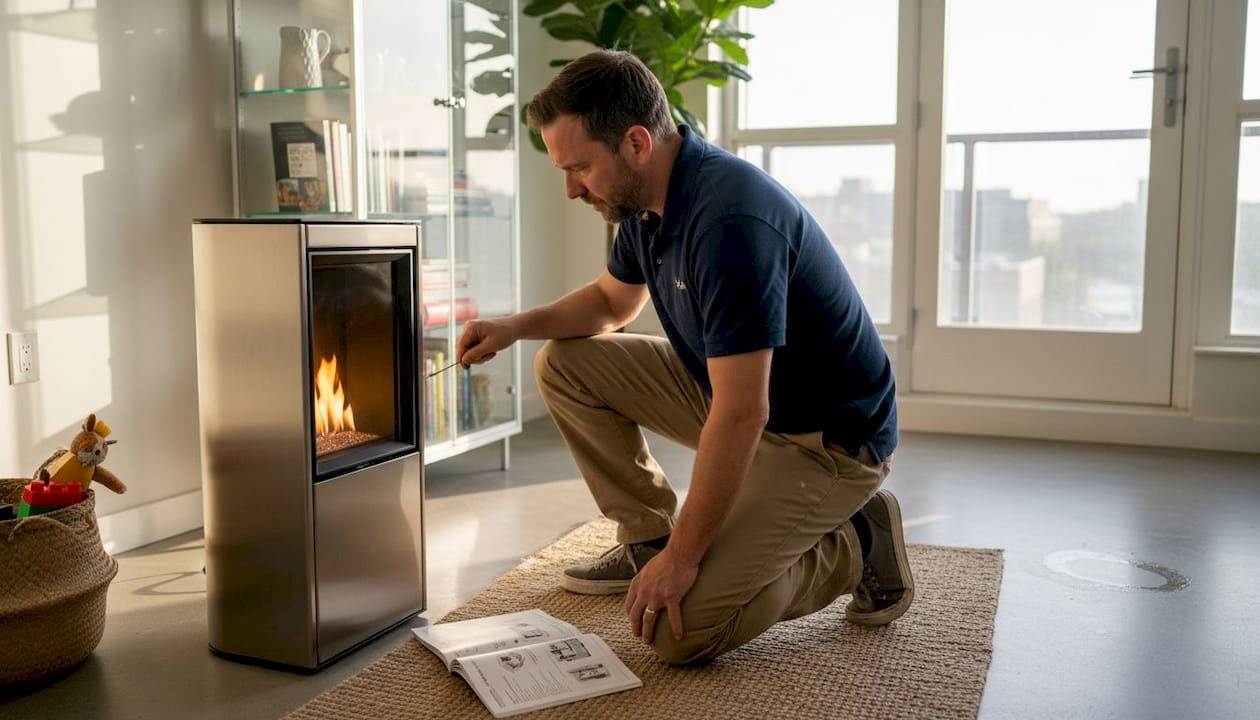
So what does this certification actually check? At its core, it verifies that the burner cannot easily spill fuel during normal use, that the fireplace remains stable on flat surfaces, and that the materials used can withstand the heat generated during operation. Models that skip this certification may look identical to certified ones, but they carry real risks.
Here is a quick overview of safety features to look for:
| Safety feature | Why it matters |
|---|---|
| Spill-proof burner | Prevents fuel leaks during filling or tipping |
| Stable base or weighted feet | Reduces risk of accidental knockover |
| Extinguishing slide or lid | Allows safe, controlled flame shutdown |
| Heat-resistant casing | Protects surrounding surfaces from heat damage |
Important: Ethanol fireplaces produce water vapor, carbon dioxide, and small amounts of other combustion byproducts. Always use your fireplace in a room with adequate airflow. Never leave a burning fireplace unattended, and keep it away from curtains, paper, and other flammable materials.
Proper placement is equally important. Keep the fireplace out of reach of children and pets, and avoid using it near individuals with asthma or other respiratory conditions. You can explore more bioethanol tabletop benefits and understand how thoughtful design supports safer everyday use.
Pro Tip: Before purchasing, search the product name alongside “DIN EN 16647” to confirm the certification is genuine and not just a marketing claim. Reputable sellers will provide documentation on request.
Choosing the right ethanol fuel: What works best?
After securing a certified and safe model, your next decision is picking the safest, cleanest fuel for your new fireplace. This step matters more than most buyers realize. The fuel you use directly affects flame quality, burn duration, air quality, and even how easy it is to extinguish the flame.
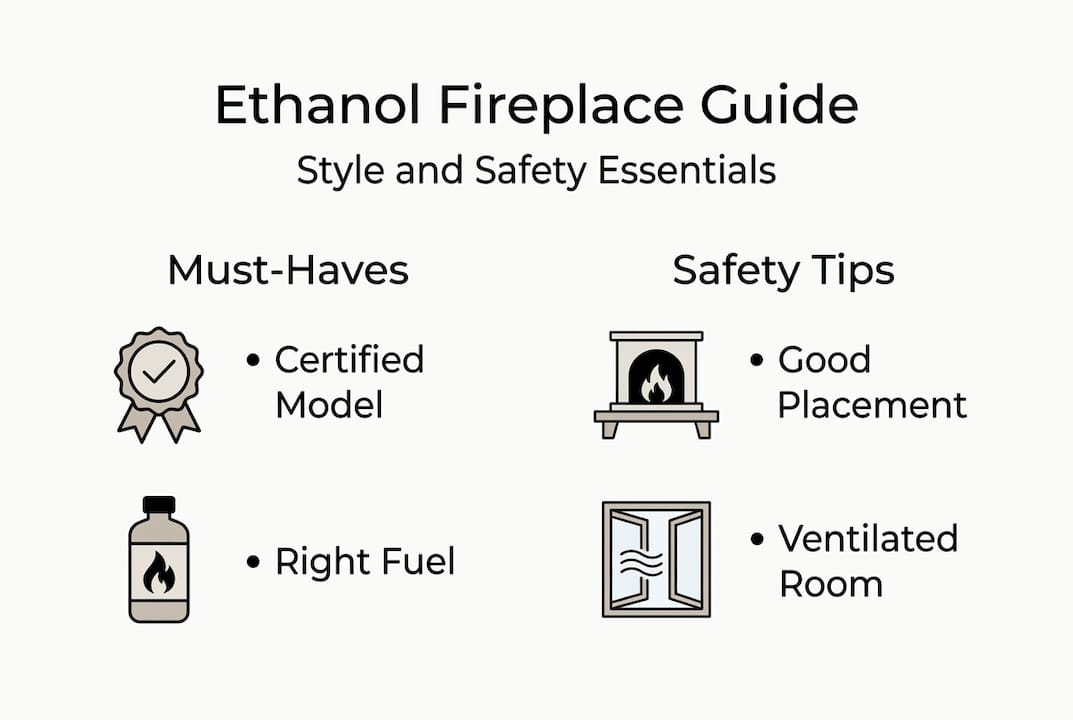
Liquid bioethanol is the clear winner here. It is produced from fermented plant sugars, typically from corn, sugarcane, or wheat, and burns with a clean, bright flame. High-quality liquid bioethanol has a purity level of 96 percent or higher, which means fewer impurities and a cleaner burn. As noted earlier, gel fuels burn shorter and release vapors that can be hazardous, especially in smaller rooms. Stick with liquid bioethanol for the best experience.
Here is a step-by-step process for selecting and storing your fuel correctly:
- Check the purity level. Look for bioethanol with at least 96 percent ethanol content. Lower purity fuels produce more residue and odor.
- Buy from reputable suppliers. Purchase from brands that clearly state their fuel composition and provide safety data sheets.
- Use the recommended quantity. Never overfill the burner. Fill only to the marked maximum line, which is typically around 60 to 70 percent of the burner’s capacity.
- Store fuel safely. Keep bioethanol in its original container, away from heat sources, and out of reach of children. Do not store large quantities indoors.
- Never refuel a hot burner. Always wait until the fireplace has fully cooled before adding more fuel. Pouring fuel onto a warm burner is one of the most common causes of accidents.
You can learn more about choosing bioethanol fuel and compare eco-friendly fireplace fuels to find the best match for your model.
Pro Tip: A 1-liter bottle of high-quality liquid bioethanol typically lasts between two and four hours, depending on your burner size. Buying in bulk from a trusted supplier is more economical and reduces packaging waste.
Room suitability and ventilation: Avoiding hidden hazards
Fuel chosen, the last critical step is ensuring your fireplace fits safely into your living space. Many buyers focus entirely on aesthetics and overlook the physical requirements of the room itself. This is where things can go wrong quietly and gradually.
Ethanol fireplaces consume oxygen and release carbon dioxide, water vapor, and trace amounts of other compounds including formaldehyde. In a well-ventilated room, these byproducts disperse quickly and pose no significant risk. But in a small, sealed space, they can accumulate. Avoid small or poorly ventilated rooms due to CO and formaldehyde emissions, and do not use ethanol fireplaces in households with young children, pets, or people with respiratory conditions.
As a general guideline, a standard tabletop fireplace with a 0.5-liter burner is suitable for rooms of at least 20 square meters with a window or door that can be opened. Larger burners require proportionally larger spaces.
Safety note: If you ever notice headaches, dizziness, or eye irritation while using your ethanol fireplace, extinguish it immediately and ventilate the room. These are early signs of poor air quality that should not be ignored.
Here are the key do’s and don’ts for safe placement:
Do:
- Place the fireplace on a stable, heat-resistant surface
- Keep at least 1 meter of clearance above the flame
- Open a window slightly during use to maintain fresh airflow
- Use the fireplace in rooms with a minimum of 20 square meters
- Keep a fire extinguisher or fire blanket nearby
Don’t:
- Use the fireplace in bathrooms, closets, or other very small rooms
- Place it near curtains, bookshelves, or paper materials
- Leave it burning while you sleep or leave the room for extended periods
- Use it as a primary heat source
For more guidance on keeping your setup safe, check out these bioethanol safety tips that cover everything from first use to long-term care.
Why curb appeal isn’t enough: Our perspective on safe, stylish ethanol fireplaces
We see it often. A beautifully designed fireplace catches someone’s eye on a lifestyle blog or social media feed, and the purchase decision is made almost entirely on looks. The flame looks gorgeous in the photo. The finish matches the apartment perfectly. But the product has no certification, no safety documentation, and no clear fuel guidance.
This is the most common mistake young professionals make when buying their first ethanol fireplace. Style is important. We believe deeply in the idea that your home should feel as good as it looks. But aesthetics without verified safety standards is a gamble that simply is not worth taking.
The market is full of attractive models that cut corners on construction and materials. A fireplace that tips easily, has a poorly designed burner, or lacks a reliable extinguishing mechanism is a liability, not a lifestyle upgrade. Demanding certified, tested products is not overcautious. It is the smart move. When beauty and rigorous standards come together, you get something genuinely worth having: a fireplace that elevates your space and earns its place in your home for years.
Find your certified, stylish ethanol fireplace solution
If you are ready to bring enchanting warmth into your home without installation headaches or safety worries, the next step is finding a model that meets all the criteria covered in this guide. Certified construction, clean liquid bioethanol compatibility, thoughtful design, and the right size for your space.
At Flaemme, we offer a curated selection of certified ethanol fireplaces designed specifically for modern apartments and outdoor spaces across the DACH region. Every model in our range is built to DIN EN 16647 standards, ships free across Europe, and comes with a 30-day return policy. Browse our collection and find the fireplace that fits your style and your space. → Explore Flaemme’s collection
Frequently asked questions
Which certifications are mandatory for ethanol fireplaces in the DACH region?
DIN EN 16647 certification is the key safety standard required in Germany, Austria, and Switzerland, covering spill-proof burner design, structural stability, and proper construction.
Is an ethanol fireplace safe for homes with children or pets?
Ethanol fireplaces are not recommended for households with young children, pets, or people with respiratory conditions due to the combustion byproducts they release, even in small quantities.
What’s the difference between gel and liquid bioethanol fuels?
Gel fuels produce risky vapors and have shorter burn times, while liquid bioethanol burns more cleanly and efficiently, making it the preferred choice for certified tabletop fireplaces.
How much ventilation is required for an ethanol fireplace?
You should always use an ethanol fireplace in a well-ventilated room of at least 20 square meters with a window or door that can be cracked open to prevent CO and formaldehyde from building up.


