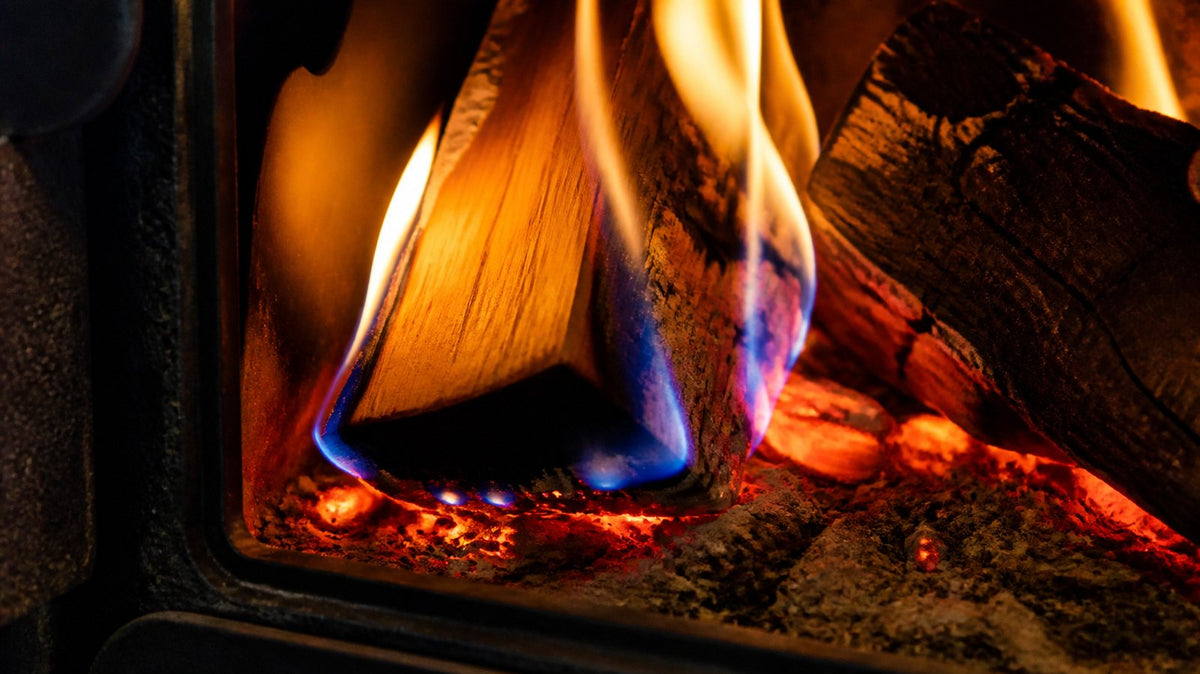
What Is a Flame Pattern? Colour, Shape and Meaning
In short:
- The flame pattern describes the colour, shape and stability of a flame and tells you how well the fuel is burning. A blue flame stands for clean combustion, while yellow flames point to a lack of oxygen or impurities. Watching the flame is a simple way to keep any fire feature safe and efficient.
The flame pattern describes the visible colour and shape of a flame and is a direct indicator of how well the fuel is burning. Whether you run a gas boiler, a wood stove or a decorative fire feature, the flame pattern tells you at a glance whether everything is as it should be. A steady blue flame stands for clean combustion and high efficiency. A yellow, flickering flame, on the other hand, can point to a lack of oxygen or to impurities. If you know how to read a flame pattern, you have a simple and reliable tool for keeping an eye on both safety and atmosphere at home.
What is a flame pattern and why does it matter?
The flame pattern is the combination of a flame's colour, shape, height and stability. Professionals also call it the combustion profile or burn pattern. Both terms mean the same thing: what you see with the naked eye when a burner is running.
The flame pattern tells you two things at once. First, it shows how well the fuel is burning. Second, it determines how a fire feature looks in the room. That applies equally to gas boilers, wood stoves and tabletop fireplaces.
If you use fire as decoration, you probably think about looks first. But with a flame pattern, safety and beauty go hand in hand. A technically correct flame is usually also the most attractive one.
How do flame colours and shapes come about?
Flame colours come from thermal excitation. When atoms and molecules in the fuel are heated, they release energy in the form of light. The wavelength of that light determines the colour. This process produces an emission spectrum and lies at the heart of every explanation of flame patterns.

Temperature plays the biggest role. Blue flames reach temperatures of around 1,300 to 2,000 °C and stand for complete combustion. Yellow and orange flames are cooler and appear when the fuel does not burn completely or when impurities are present.
Chemical elements in the fuel add colour too. Sodium produces an intense yellow, copper a green to blue-green and lithium a strong red. You will know these effects from fireworks. In wood fires, minerals in the bark cause occasional flashes of colour.
The shape of the flame depends on the oxygen supply and the design of the burner. Plenty of oxygen produces a compact blue flame. Too little oxygen makes the flame longer, softer and yellow.
Pro tip: Watch the flame of your gas boiler shortly after switching it on. An even blue flame with no yellow in it shows that the air and gas mixture is right.
Typical flame colours and what they mean
- Blue: Complete combustion, high temperature, ideal air and gas mixture
- Yellow to orange: Incomplete combustion, lack of oxygen or impurities in the burner
- Red: Often caused by minerals in the fuel, such as lithium or strontium
- Green: Copper or other metal compounds in the fuel
- White: Very high temperatures, typical of certain industrial burners
What does the flame pattern tell you about safety and combustion?
The flame pattern is the simplest safety check you can carry out yourself. You do not need any measuring equipment. Your eyes are enough.
Experts stress that in gas boilers the flame pattern is a key visual indicator of efficiency and safety. Regular visual checks by professionals are therefore not a luxury but a must. Even between services, though, a quick look is worthwhile.
These are the warning signs you should know:
- Yellow flame tips with natural gas: These point to soot formation. A lack of oxygen can lead to the formation of toxic carbon monoxide. That is a serious safety risk.
- Flickering flame: A disturbed gas and air ratio reduces heat output and can point to dirt in the burner.
- Flame lifting: The flame detaches from the burner. This happens when gas pressure or air supply is too high and is a sign of incorrect settings.
- Uneven flame heights: Parts of the burner are not working evenly. A common cause is blocked burner nozzles.
- Hissing or popping noises: A steady, quiet roar is normal. Hissing or popping signals a problem with the mixture.
Carbon monoxide has no smell and is invisible. If you notice yellow flames on a gas boiler, switch it off immediately and call a qualified engineer. A fireplace safety checklist helps you carry out regular checks in a structured way.
With modulating gas boilers, the flame height varies with demand. A smaller flame at partial load is normal and not a sign of a fault. People who do not know this often call out an engineer for nothing.
Flame patterns compared: gas, wood and other fuels
Different fuels produce very different flame patterns. That affects both safety and the atmosphere in the room.

| Fuel | Typical flame colour | Flame shape | Characteristics |
|---|---|---|---|
| Natural gas | Blue, compact | Even, calm | Ideal for efficiency and safety |
| Wood (dry) | Yellow to orange | Lively, dancing | Attractive, sparks possible |
| Wood (damp) | White-yellow, smoky | Restless, large | Soot formation, poor combustion |
| Heating oil | Light to bluish yellow | Medium, structured | Yellowish flames point to incomplete combustion |
| Bioethanol | Blue to almost colourless | Calm, even | Smokeless, ideal indoors |
Wood produces the liveliest flame pattern. But the quality depends heavily on the type of wood and its moisture content. Resin-free woods such as ash produce an even, calm flame without flying sparks and with a good bed of embers. Damp wood, by contrast, produces a lot of smoke, little heat and a restless, whitish flame.
Bioethanol is particularly interesting for decorative fire features. The flame burns blue to almost colourless, produces no smoke and leaves no soot. That makes bioethanol the best choice for tabletop fireplaces and fire features in the home.
Pro tip: On a gas barbecue, a popping sound together with yellow flames often means the flow limiting device has been triggered. You can usually fix this with a manual reset: turn off the gas, close the controls, wait a moment, then relight.
How do you create an attractive flame pattern for a fire feature?
A beautiful flame does not happen by chance. You can influence it through your choice of fuel, the air supply and how you look after your fire feature.
For wood stoves and fireplaces:
- Use dry wood: Wood with a moisture content below 20 % burns cleanly and produces an even, warm flame. Damp wood smokes and flickers.
- Regulate the air supply: Too little air produces yellow, sooty flames. Too much air makes the flame lift. The right balance gives a steady, glowing flame.
- Keep the burner and grate clean: Deposits disrupt the air supply and change the flame pattern. Regular cleaning is the easiest way to a beautiful flame. You will find tips in our fireplace care guide.
- Adjust the amount of fuel: Too much wood at once smothers the flame. Less is often more, especially if you want a calm, even flame for atmosphere.
Different rules apply to decorative tabletop fireplaces and fire features in the home. Here the flame pattern is above all a design element. The technology behind the flame of a tabletop fireplace is designed to create an attractive look that is also safe.
If you are planning a fire feature outdoors, think about where you place it. Wind has a strong effect on the flame. A correctly positioned fire feature is sheltered from draughts and produces a calmer, more beautiful flame.
Even with decorative fire features, safety comes first. Keep flammable materials at least 50 cm away from the flame. Always watch the flame closely the first time you use a new fuel. And read the advice on lighting a fire safely before you start.
Key takeaways
The flame pattern is the most reliable visual indicator of combustion quality and safety, and you can read it directly without any measuring equipment.
| Topic | Details |
|---|---|
| The blue flame as the ideal | A calm blue flame shows complete combustion and an ideal air and gas mixture. |
| Yellow flames as a warning sign | Yellow or flickering flames point to a lack of oxygen, soot formation or a risk of carbon monoxide. |
| Fuel choice shapes the flame | Dry wood and bioethanol produce the best flame patterns, both visually and technically. |
| Regular maintenance is key | Clean burners and the right air supply are the basis for a steady flame. |
| Choose decorative fire features carefully | Bioethanol tabletop fireplaces offer a safe, smokeless flame for indoor use. |
The flame pattern as an everyday companion
I have been watching flames for years, and I am still surprised by how little attention most people pay to them. The flame pattern is not a detail for engineers. It is a signal that anyone can read, as long as they know what to look for.
What impresses me most personally is that a good flame is also the most beautiful one. A clean blue flame burning calmly simply looks better than a yellow, flickering one. Here technology and aesthetics come together. That is rare.
My honest advice for beginners: start with a tabletop fireplace and bioethanol. You immediately get a clean, controlled flame with no smoke, no soot and no chimney. Along the way you learn what a good flame looks and feels like. And you can put the fire out safely at any time. Only after that does it make sense to move on to wood stoves or gas burners.
If you use fire as decoration, think of the flame as a design element in its own right. Its height, its colour, its movement: you can influence all of them. That is really the best part.
— V&M
Smokeless tabletop fireplaces from Flaemme for a stylish atmosphere
If you want a beautiful flame in your living space without a fireplace, chimney or gas connection, Flaemme has the answer. Flaemme tabletop fireplaces run on bioethanol and produce a real, lively flame that burns without smoke or soot.

The flame of Flaemme models is designed with the home in mind: calm, even and warm. They need no assembly and are ready to use straight away. One filling of up to 150 ml burns for 60 to 90 minutes, and every order comes with 30 days of free returns and a 2-year warranty. The collection of smokeless tabletop fireplaces offers models for indoor use and for sheltered outdoor spots, to suit every interior style.
FAQ
What exactly does flame pattern mean?
The flame pattern describes the visible colour, shape, height and stability of a flame. It tells you about the quality of combustion and how safe a fire feature is.
Why is a blue flame better than a yellow one?
A blue flame shows complete combustion at temperatures of 1,300 to 2,000 °C. A yellow flame comes from incomplete combustion and can point to carbon monoxide being produced.
How can I spot a poor flame pattern on my gas boiler?
Yellow flame tips, flickering, hissing or popping are warning signs. A calm blue flame without any noise shows that everything is set correctly.
Which fuel produces the most beautiful flame for the home?
Bioethanol produces a calm, blue to almost colourless flame without smoke or soot. It is the best choice for decorative tabletop fireplaces and fire features indoors.
How often should I check the flame pattern of my fire feature?
Take a quick look at the flame every time you use it. For gas boilers, a professional visual inspection at least once a year is recommended.

