Why Fire Pits Are a Must for Outdoor Enthusiasts
TL;DR:
- Fire pits extend outdoor living seasons by providing warmth and ambiance, encouraging social gatherings.
- Choosing the right type depends on the setting, with smokeless bioethanol models ideal for urban and portable use.
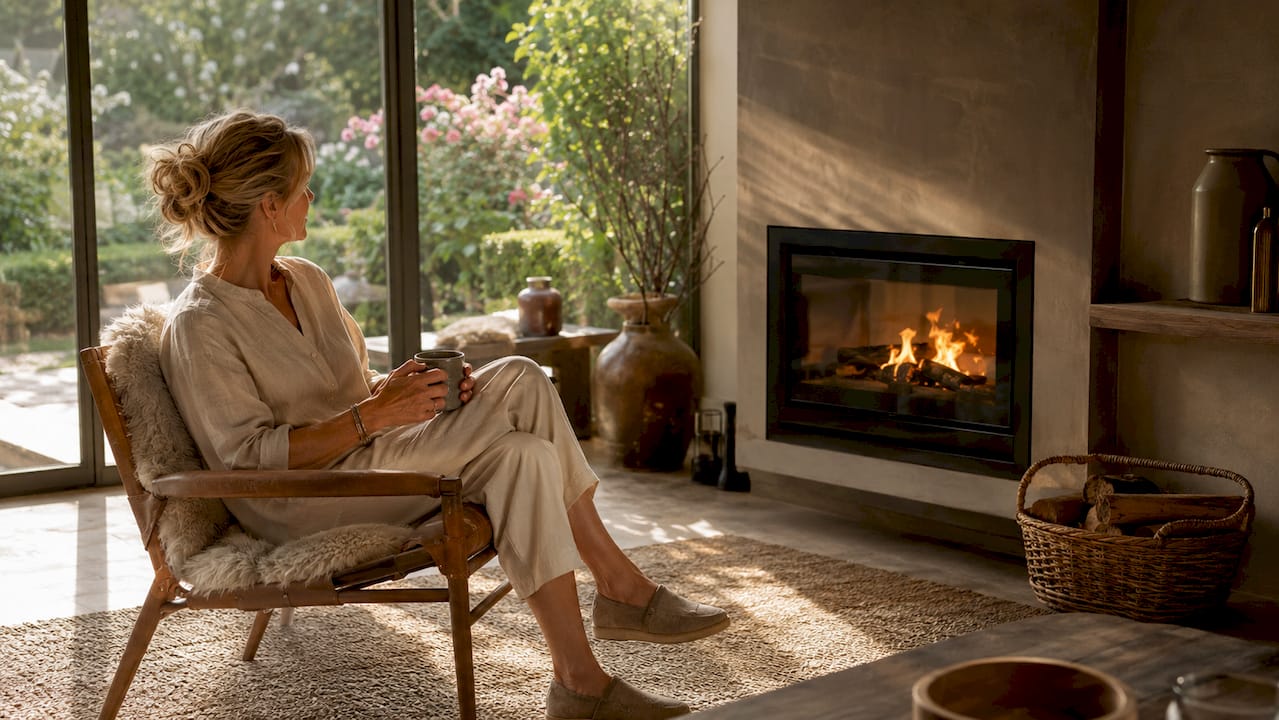
A fire pit is the single outdoor feature that delivers warmth, ambiance, and social connection all at once, making it a cornerstone of any serious outdoor living setup. For outdoor enthusiasts, the appeal goes well beyond heat. A well-placed fire pit extends your usable outdoor season, creates a natural gathering point, and adds sensory richness that no string light or patio heater can replicate. Whether you are working with a sprawling backyard, a compact urban terrace, or a campsite in the woods, understanding why a fire pit belongs in your outdoor life is the first step toward getting more from every evening outside.
Why fire pits are the top choice for outdoor enthusiasts
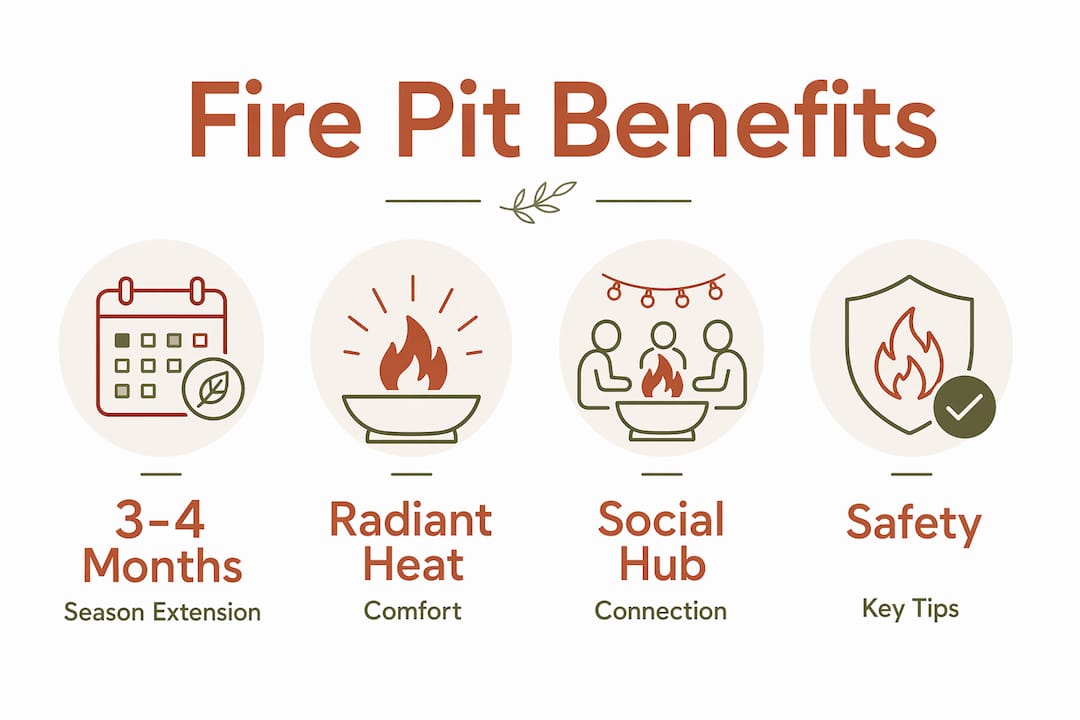
A fire pit is defined as an outdoor combustion feature designed to contain an open flame safely while providing heat, light, and atmosphere. The industry term is “outdoor fire feature,” which covers everything from traditional wood-burning ring pits to modern bioethanol tabletop models. For outdoor enthusiasts, the core value is practical: fire pits extend patio usability by 3–4 months annually, turning a seasonal space into a year-round destination. That statistic means you get significantly more return from every dollar you invest in your outdoor setup.
The benefits of outdoor fire pits stack up quickly. Radiant heat keeps you comfortable when temperatures drop in fall and early spring. The visual draw of a live flame creates an atmosphere that electric alternatives simply cannot match. And the social dynamic around fire is something humans have responded to for thousands of years. Biophilic design experts note that fire’s sensory engagement and emotional impact give it a unique role in outdoor ambiance and relaxation that water features and garden lighting cannot replicate.
How do fire pits extend your outdoor season?
The practical case for a fire pit starts with temperature. Radiant heat from an open flame warms people directly, unlike convection heaters that warm the air and lose effectiveness the moment a breeze picks up. This makes fire pits far more reliable for shoulder-season comfort than propane tower heaters or electric patio warmers.
90% of users report higher satisfaction with outdoor living when a fire pit is part of their setup. That level of satisfaction reflects something real: people actually use their outdoor spaces more when a fire pit is present. A patio that sat empty from October through March becomes a destination for cool-weather dinners, weekend gatherings, and quiet evenings with a drink.
Here are the key ways a fire pit improves outdoor usability:
- Radiant heat output warms people within a 6–8 foot radius, making it effective even in light wind
- Extended evening use means dinners and social events run longer without guests retreating indoors
- Year-round appeal transforms patios, decks, and garden spaces from seasonal to permanent living areas
- Mood and atmosphere make the space feel intentional and inviting rather than purely functional
Pro Tip: If smoke is a concern, look for models that use double-wall technology and optimized airflow. Smokeless fire pits can reduce smoke by up to 80% compared to traditional open-ring designs, making evening use far more comfortable for everyone seated around the fire.
What types of fire pits work best for different settings?
Choosing the right fire pit depends on your setting, your tolerance for maintenance, and how much smoke your neighbors will accept. The three main categories are wood-burning, gas, and bioethanol, and each suits a different type of outdoor enthusiast.
| Type | Heat Output | Smoke | Maintenance | Best For |
|---|---|---|---|---|
| Wood-burning | High | High | Ash removal, wood storage | Rural properties, large open spaces |
| Gas (propane/natural) | Medium–High | Minimal | Gas line or tank refills | Suburban patios, permanent installations |
| Bioethanol | Low–Medium | None | Fuel refills only | Urban terraces, tabletop use, camping |
Wood-burning fire pits deliver the most heat and the most authentic campfire experience. They are ideal for rural properties or large open yards where smoke dispersal is not a concern. The trade-off is real: you need dry wood storage, regular ash cleanup, and awareness of local burn restrictions.
Gas fire pits offer convenience and consistent flame control. They work well for suburban patios where you want reliable heat without the prep work. The downside is that permanent natural gas installations require professional setup, and propane tanks need regular replacement.
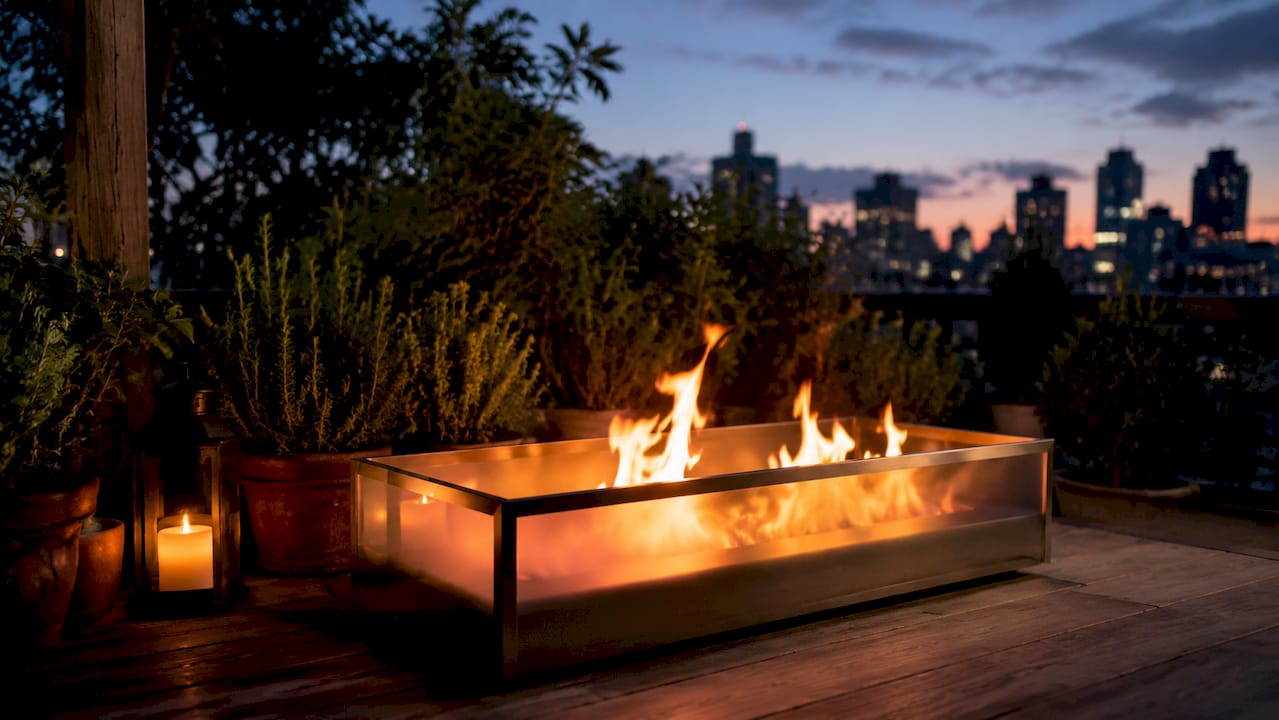
Bioethanol fire pits are the standout choice for urban outdoor spaces and portable use. Gas, bioethanol, and charcoal fuel types produce minimal smoke, making them ideal where neighbors are close. Bioethanol burns cleanly, leaves no ash, and requires no installation. Tabletop models from Flaemme, for example, run on bio ethanol fuel and can be placed on any outdoor surface without a chimney or gas line. For outdoor enthusiasts who move between a home terrace and camping trips, a portable bioethanol model covers both settings with zero setup friction.
For a deeper look at how indoor and outdoor fire pit options compare, the indoor vs. outdoor fire pit guide from Flaemme breaks down the key distinctions clearly.
What are the key fire pit safety tips you need to know?
Fire pit safety is not optional. The most common mistakes involve placement, fuel quality, and leaving fires unattended, and all three are entirely preventable.
Clearance distances are the starting point. Wood-burning fire pits require 20–25 feet of horizontal clearance from structures, fences, and vegetation, plus at least 21 feet of vertical clearance above the flame. These numbers exist because embers travel further than most people expect, especially in wind. Gas and bioethanol models have more flexibility, but you should still keep them away from overhanging branches, fabric furniture, and enclosed spaces.
Fuel quality matters more than most people realize. Wood with around 20% moisture content burns cleanly. Wet or green wood produces excessive smoke and harmful emissions that make the experience unpleasant for everyone nearby. A simple moisture meter, available at most hardware stores, takes the guesswork out of wood selection.
Follow these fire pit safety practices every time you light up:
- Check local burn bans before lighting, especially during dry seasons
- Keep a bucket of water or a garden hose within reach at all times
- Never leave a lit fire pit unattended; always have someone present who can extinguish the fire
- Douse the fire with water before leaving the area, even if the flames appear to have died down
- Use a spark guard or mesh screen on wood-burning models to contain embers
Pro Tip: Keep your fire small and controlled. A fire that fills the pit to the brim is harder to manage and produces far more sparks than a modest, well-tended flame. A smaller fire is warmer, safer, and more social.
How does a fire pit enhance social experiences and ambiance?
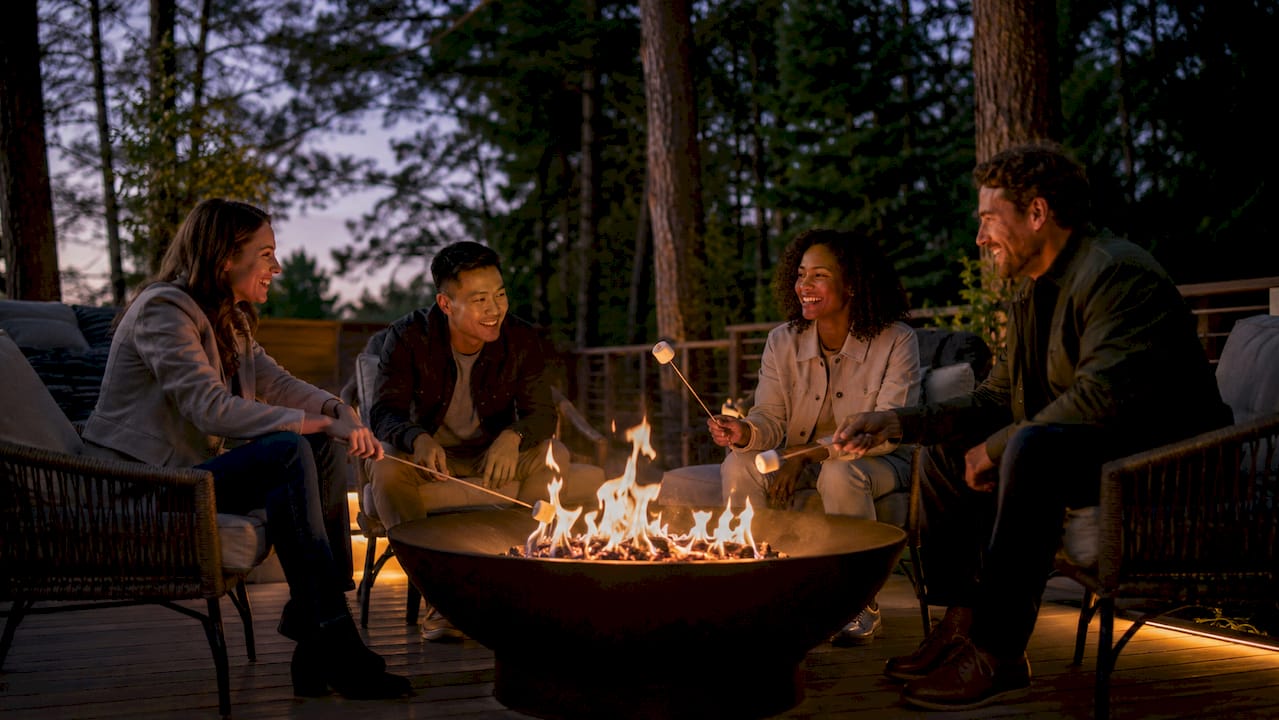
Fire pits are natural social anchors. The design principle is simple: when people gather around a shared light source and heat source, conversations flourish and ambiance improves in ways that other outdoor features cannot replicate. A dining table creates a transactional dynamic. A fire pit creates a communal one.
Biophilic designers describe fire as the element most capable of softening attention and encouraging presence. The flicker of a flame engages the senses without demanding focus, which is why conversations around a fire tend to run longer and feel more relaxed than those at a dinner table. This is the primal appeal that fire pit designs for enthusiasts try to capture, whether through a large wood-burning bowl at a campsite or a sleek bioethanol tabletop model on a city terrace.
“Intentional outdoor living design integrates fire pits as focal points, not afterthoughts. The seating arrangement around the fire determines whether the space becomes a gathering place or just a feature people walk past.” — TX Pavers and Turf
Seating layout is the detail most people overlook. Chairs arranged in a circle or arc around the fire, at a distance of 3–5 feet, create the intimacy that makes the space feel intentional. Seating placed too far away or at odd angles turns the fire into a visual element rather than a social one. For camping scenarios, a portable tabletop fire pit placed at the center of a group of camp chairs replicates this dynamic without the need for a built-in pit.
The social scenarios where fire pits shine include family gatherings on cool autumn evenings, outdoor entertaining where guests linger well past dinner, and camping trips where the fire becomes the evening’s main event. In each case, the fire pit does something no other outdoor accessory does: it gives people a reason to stay outside and stay together.
Key Takeaways
A fire pit is the most effective single investment for extending outdoor living, improving ambiance, and creating genuine social connection in any outdoor setting.
| Point | Details |
|---|---|
| Season extension | Fire pits add 3–4 months of usable outdoor time, making patios and decks year-round spaces. |
| Fuel type matters | Bioethanol and gas models suit urban and portable use; wood-burning suits open rural spaces. |
| Safety is non-negotiable | Maintain 20–25 feet clearance, use dry wood, and never leave a lit fire unattended. |
| Social design counts | Arrange seating 3–5 feet from the fire in a circle or arc to maximize the gathering effect. |
| Smokeless options exist | Double-wall smokeless technology reduces smoke by up to 80%, improving comfort for all users. |
Why I think most people underestimate what a fire pit actually does
I’ve spent a lot of time around fire pits in very different settings, from a stone-ringed wood burner in a rural garden to a compact bioethanol tabletop model on a fourth-floor apartment terrace in the city. The consistent observation is this: people stay outside longer, talk more, and check their phones less when a fire is present. No other outdoor feature produces that effect reliably.
What surprises most first-time fire pit owners is how much the type of fire pit shapes the experience. A wood-burning pit at a campsite feels elemental and immersive. A bioethanol tabletop model on a city terrace feels refined and effortless. Both deliver warmth and ambiance, but they suit very different lifestyles. Choosing the wrong type for your setting is the most common mistake I see, and it usually results in a fire pit that gets used twice and then ignored.
My honest recommendation: if you live in a city or have close neighbors, skip the wood-burning option entirely. The smoke management alone makes it more work than it is worth. A smokeless bioethanol model gives you the visual charm and warmth without the hassle, and it travels with you to a campsite or a friend’s terrace just as easily. If you have the space and the setting for wood, go for it. Just invest in a moisture meter and a good spark guard before you light your first fire.
The safety piece is worth taking seriously from day one. Local burn bans, clearance distances, and proper extinguishing habits are not bureaucratic details. They are the difference between a great evening outside and a genuinely dangerous situation. Get those habits in place early, and the fire pit becomes one of the most enjoyable features you own.
— V&M
Bring the warmth outside with Flaemme
If you are ready to enjoy evenings by the fire without the smoke, ash, or installation headaches, Flaemme’s range of portable outdoor fire pits is worth exploring.
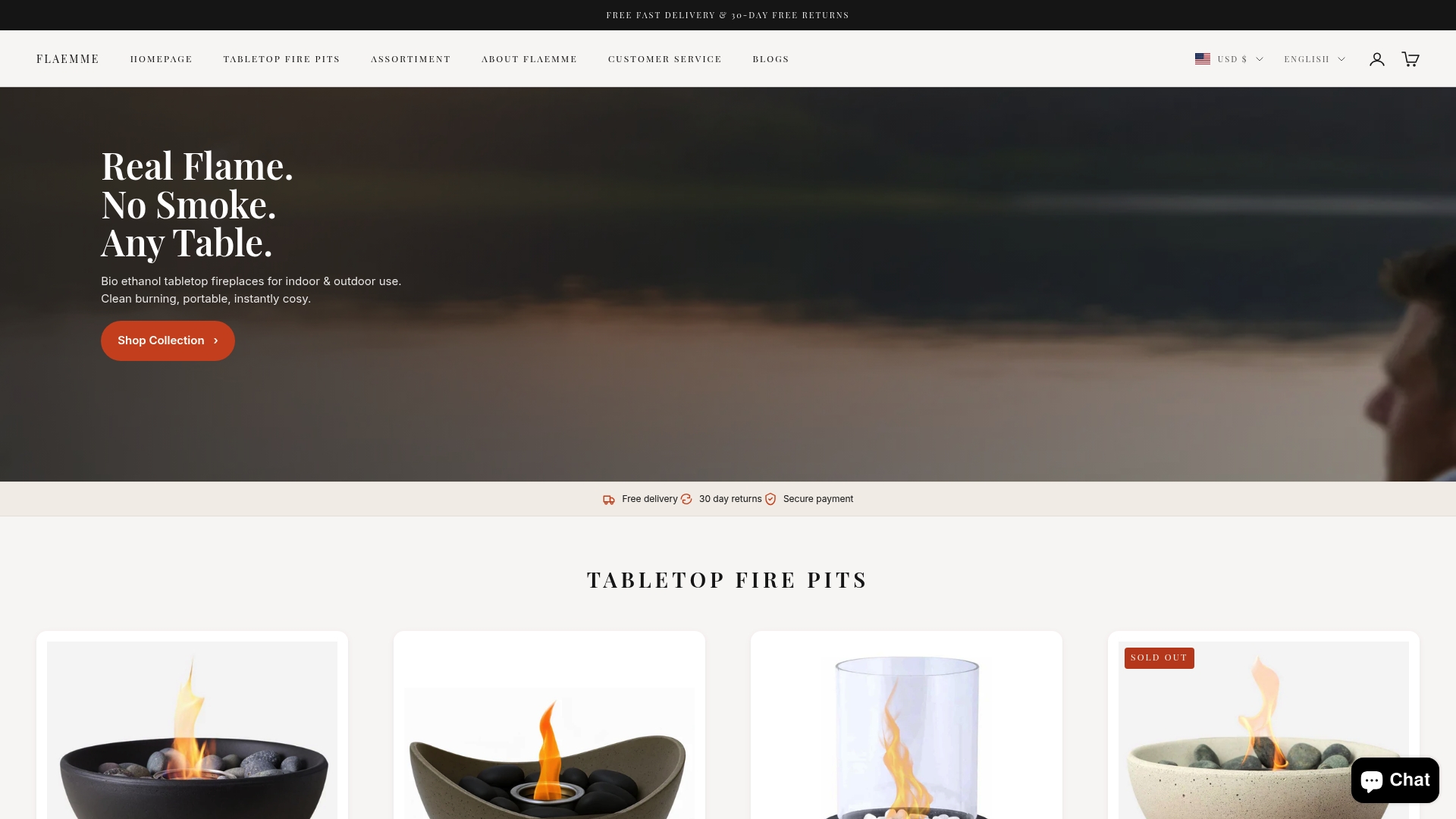
Flaemme specializes in modern bio ethanol tabletop fire pits designed for outdoor use on patios, decks, and camping setups. Every model is portable and smoke-free, runs on clean-burning bio ethanol fuel, and requires zero installation. You get real flame, real warmth, and real ambiance without a chimney, gas line, or cleanup. For those who want a smokeless fire pit that works equally well on a city terrace or at a campsite, Flaemme ships across Europe with free delivery and a 30-day return policy. →
FAQ
What is the main benefit of a fire pit for outdoor use?
A fire pit extends your outdoor season by 3–4 months and creates a natural social gathering point. It delivers radiant heat, visual ambiance, and a communal atmosphere that other outdoor features cannot replicate.
What type of fire pit is best for urban outdoor spaces?
Bioethanol and gas fire pits are the best choices for urban settings because they produce minimal smoke. Wood-burning models are often restricted in densely populated areas due to smoke regulations and neighbor proximity.
How far should a fire pit be from structures?
Wood-burning fire pits require at least 20–25 feet of horizontal clearance from structures and vegetation, plus 21 feet of vertical clearance. Bioethanol and gas models have more flexibility but should still be kept away from overhanging materials.
What wood moisture level is safe for a fire pit?
Wood with around 20% moisture content burns cleanly and produces minimal smoke. Wetter wood generates excessive smoke and harmful emissions. A moisture meter is the simplest way to check wood condition before use.
Can you use a fire pit for camping?
Portable and tabletop fire pits are well-suited for camping because they are lightweight, require no installation, and operate on gas or bioethanol fuel. They provide smoke-free ambiance and eliminate the need for ash cleanup at the campsite.