Fireplace sustainability: eco-friendly bioethanol options
Many homeowners believe traditional fireplaces inevitably harm the environment, releasing smoke and consuming finite resources. This misconception overlooks a modern alternative that combines warmth, ambiance, and genuine sustainability. Bioethanol fireplaces deliver smokeless flames without chimneys or gas lines, offering eco-conscious design for both indoor and outdoor spaces. This guide explores fireplace sustainability through the lens of renewable bioethanol technology, practical safety considerations, and stylish integration into contemporary DACH homes. You’ll discover how to make informed choices that align environmental responsibility with the cozy atmosphere you desire.
Table of Contents
- Key takeaways
- Understanding fireplace sustainability and bioethanol basics
- Comparing bioethanol and traditional fireplaces: emissions, efficiency, and style
- Practical considerations for sustainable bioethanol fireplace use
- Enhancing your modern home with stylish, sustainable bioethanol fireplaces
- Discover stylish, eco-friendly bioethanol fireplaces for your home
- Frequently asked questions
Key Takeaways
| Point | Details |
|---|---|
| Smokeless flames | Bioethanol fireplaces burn smokeless flames with little to no smoke or odor and require no chimney. |
| No chimney required | They require no gas lines or electrical hookups and can be placed almost anywhere. |
| Renewable plant fuel | Bioethanol is derived from fermenting plant biomass such as corn or sugarcane, making it a renewable fuel. |
| Indoor outdoor versatility | The lack of smoke enables indoor and outdoor installation without ventilation concerns. |
Understanding fireplace sustainability and bioethanol basics
Fireplace sustainability centers on three pillars: minimizing harmful emissions, maximizing energy efficiency, and using renewable fuel sources. Traditional wood-burning fireplaces fail on all counts, releasing particulate matter, carbon monoxide, and volatile organic compounds that degrade both indoor and outdoor air quality. Gas fireplaces improve slightly but still rely on fossil fuels and produce nitrogen oxides alongside carbon dioxide.
Bioethanol fireplaces represent a paradigm shift in home heating aesthetics. The fuel comes from fermenting plant materials like corn, sugarcane, or agricultural waste, creating a renewable alcohol that burns exceptionally clean. When ignited, bioethanol produces smokeless flames emitting primarily water vapor and trace carbon dioxide, dramatically reducing pollutant output compared to conventional options.
The combustion chemistry explains why bioethanol stands apart. Unlike wood that contains resins, moisture, and complex organic compounds that create smoke and ash, bioethanol consists of purified ethanol molecules. Complete combustion yields only carbon dioxide and water, with no particulates, no creosote buildup, and no toxic byproducts. This clean burn eliminates the need for ventilation systems or chimneys, opening installation possibilities throughout your home.
Practical advantages extend beyond environmental metrics. Bioethanol fireplaces require no gas lines, electrical hookups, or structural modifications. You position them wherever ambiance serves your lifestyle, from dining tables to outdoor patios. The absence of smoke means no lingering odors in fabrics or walls, while zero ash production eliminates tedious cleanup routines.
Key sustainability benefits of bioethanol fireplaces include:
- Renewable fuel derived from rapidly replenishing plant biomass
- Negligible pollutant emissions protecting indoor air quality
- Complete absence of smoke, soot, and ash
- No chimney or ventilation infrastructure required
- Flexible placement for optimal heat and aesthetic impact
- Minimal maintenance compared to traditional fireplace systems
For eco-conscious homeowners in the DACH region, these attributes align perfectly with broader sustainability goals. You reduce your carbon footprint while maintaining the warmth and visual appeal that make living spaces truly inviting. The portability factor also supports seasonal lifestyle changes, moving your fireplace from indoor winter gatherings to summer evening terraces without professional assistance.
Comparing bioethanol and traditional fireplaces: emissions, efficiency, and style
Understanding how different fireplace technologies stack up reveals why bioethanol emerges as the sustainable choice for modern homes. The following comparison highlights critical differences across environmental and practical dimensions:
| Fireplace Type | Emissions Profile | Fuel Source | Smoke Output | Indoor Air Impact |
|---|---|---|---|---|
| Bioethanol | Water vapor, trace CO2 | Renewable plant biomass | None | Minimal with ventilation |
| Wood-burning | Particulates, CO, VOCs | Trees (slow renewable) | Heavy | Significant pollutants |
| Gas | CO2, NOx, trace CO | Fossil fuel (non-renewable) | Minimal | Moderate pollutants |
Fuel efficiency tells an equally compelling story. Wood-burning fireplaces lose 70-80% of heat energy up the chimney, warming your neighborhood more effectively than your living room. Gas fireplaces improve to roughly 60-80% efficiency with sealed combustion systems, but you’re still burning finite fossil resources. Bioethanol fireplaces deliver nearly 100% of combustion heat directly into your space since no chimney siphons warmth away. The renewable sourcing means each refill supports agricultural economies rather than extractive industries.
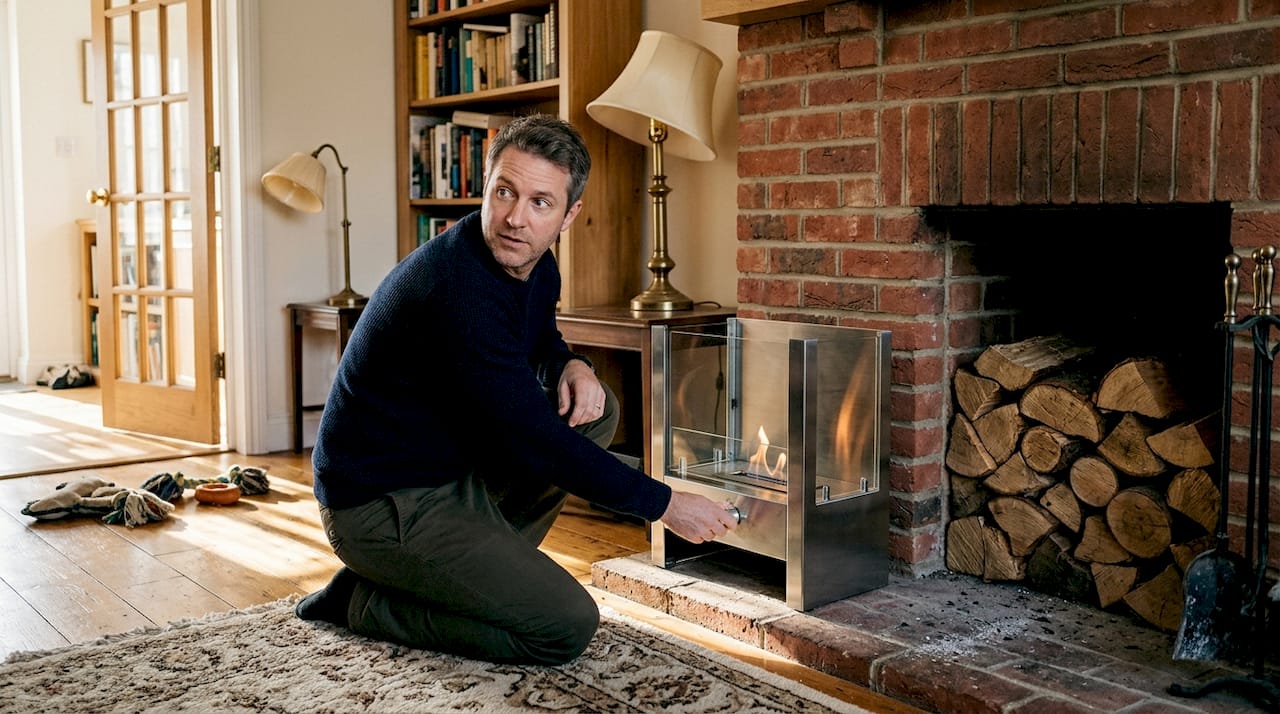
Bioethanol fireplaces avoid toxic emissions that compromise respiratory health and contribute to outdoor smog formation. Wood smoke contains benzene, formaldehyde, and polycyclic aromatic hydrocarbons, all recognized carcinogens. Gas combustion produces nitrogen oxides that trigger asthma and cardiovascular stress. Bioethanol combustion eliminates these hazards, making it the only truly health-conscious fireplace option.
Style and placement flexibility represent bioethanol’s most visible advantages. Traditional fireplaces anchor to specific walls with massive masonry or metal installations. You inherit their location when buying a home, and moving them requires demolition. Bioethanol fireplaces come in sleek tabletop designs, wall-mounted units, and freestanding sculptures that complement contemporary aesthetics. Stainless steel, tempered glass, and powder-coated finishes integrate seamlessly with minimalist Scandinavian interiors or industrial loft spaces.
The portability factor transforms how you use fire in daily life. Host dinner parties with a centerpiece flame dancing between guests. Move your fireplace to the bedroom for romantic evenings, then relocate it to the balcony for weekend brunches. This adaptability makes bioethanol fireplaces ideal for renters who can’t modify properties and homeowners who value design flexibility.
Benefits of choosing bioethanol for eco-conscious comfort:
- Zero installation costs or structural modifications required
- Instant ambiance without waiting for wood to catch or gas to ignite
- Contemporary designs that enhance rather than dictate room aesthetics
- Seasonal versatility moving between indoor and outdoor environments
- No chimney inspections, gas line maintenance, or ash disposal
Pro Tip: Source bioethanol fuel from local European producers using agricultural waste streams. This minimizes transportation emissions and supports circular economy principles, maximizing the sustainability of every flame you enjoy.
Practical considerations for sustainable bioethanol fireplace use
Owning a bioethanol fireplace requires understanding proper operation to ensure safety, longevity, and optimal environmental performance. Following systematic procedures protects both your household and the sustainability benefits that make bioethanol attractive.
-
Store bioethanol fuel in cool, dark locations away from direct sunlight and heat sources. Use only sealed containers specifically designed for ethanol storage, never repurposed bottles that might contaminate fuel or create confusion.
-
Fill the burner when completely cool, never while flames are active or embers remain. Overfilling creates spillage risks, so leave adequate headspace as specified by your fireplace manufacturer.
-
Light the bioethanol using extended fireplace lighters or long matches, keeping your face and hands clear of the burner opening. The flame may be nearly invisible in bright conditions, so exercise caution even when you don’t see fire.
-
Maintain adequate ventilation during operation by cracking a window or ensuring room air circulation. While bioethanol burns clean, combustion still consumes oxygen and produces carbon dioxide that requires fresh air exchange.
-
Extinguish flames using the provided snuffer tool or sliding mechanism, never by blowing or attempting to smother with materials. Allow the fireplace to cool completely before moving or refueling.
-
Clean the burner and surrounding surfaces regularly with mild soap and water, removing any fuel residue or dust accumulation. Stainless steel components benefit from specialized cleaners that prevent tarnishing.
Maintenance practices directly impact both safety and sustainability. Inspect fuel lines and seals quarterly for wear or damage, replacing components as needed to prevent leaks. Use only manufacturer-recommended bioethanol with clearly labeled purity ratings, typically 95-97% ethanol content. Lower quality fuels contain additives that produce odors, residue, or incomplete combustion, undermining the clean-burning advantage.
Proper care maximizes sustainability by extending fireplace lifespan and maintaining efficient combustion. A well-maintained bioethanol fireplace operates for years without performance degradation, avoiding the replacement cycle that adds manufacturing emissions to your carbon footprint.
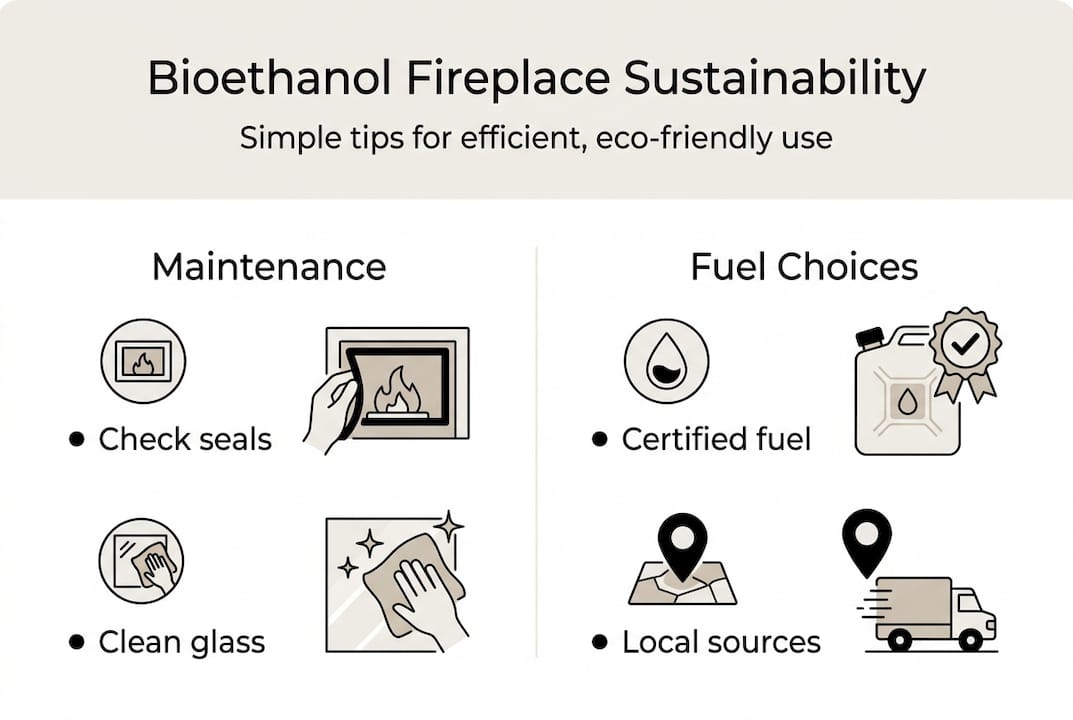
Placement decisions affect both aesthetics and practical function. Indoor installations benefit from proximity to seating areas where radiant heat and visual appeal create cozy gathering spots. Position fireplaces on stable, heat-resistant surfaces away from curtains, papers, or other flammable materials. Maintain clearances specified in product documentation, typically 50-100 cm from walls or furniture.
Outdoor placements expand entertainment possibilities while requiring wind protection. Covered patios, screened porches, or sheltered courtyards work ideally, preventing gusts from extinguishing flames or spreading embers. Tabletop models excel on dining tables or side tables, while larger freestanding units anchor outdoor living rooms with dramatic focal points.
Pro Tip: Purchase certified bioethanol fuel displaying clear origin information and sustainability certifications. European producers often provide detailed sourcing data showing agricultural feedstocks and production methods, allowing you to verify renewable credentials and support transparent supply chains.
Enhancing your modern home with stylish, sustainable bioethanol fireplaces
Integrating bioethanol fireplaces into contemporary living spaces requires balancing aesthetic impact with practical heating needs. The right model transforms rooms from functional to inviting while maintaining the sustainability principles that guide eco-conscious design.
| Model Style | Dimensions | Best Placement | Indoor/Outdoor | Heat Output |
|---|---|---|---|---|
| Tabletop cylinder | 15-25 cm diameter | Dining tables, coffee tables | Both | Low (ambiance focus) |
| Wall-mounted panel | 60-100 cm width | Living room walls, bedrooms | Indoor | Medium |
| Freestanding column | 40-60 cm base | Patios, entryways | Both | Medium-high |
| Built-in insert | Custom dimensions | Entertainment centers | Indoor | High |
Decorating with bioethanol fireplaces leverages their sculptural qualities as functional art pieces. Consider these integration strategies:
- Position tabletop models on contrasting surfaces like dark wood against light flames or glass tables for see-through visual interest
- Flank wall-mounted units with minimalist artwork or floating shelves that echo horizontal lines
- Use freestanding columns as room dividers that maintain sightlines while defining separate zones
- Coordinate metal finishes with existing hardware like cabinet pulls, light fixtures, or furniture legs
- Layer lighting by dimming overhead fixtures when fireplace flames provide primary illumination
Sustainability-focused home designs in the DACH region increasingly emphasize natural materials, energy efficiency, and biophilic connections. Bioethanol fireplaces have become trending elements that satisfy these priorities without compromising modern aesthetics. The living flame introduces dynamic movement that static decor cannot match, creating focal points that draw people together naturally.
Color schemes benefit from fireplace integration when you consider flame characteristics. Bioethanol produces warm yellow-orange flames similar to wood fires but without smoke discoloration. Pair these warm tones with cool grays, deep blues, or earth tones that create visual contrast while maintaining sophisticated palettes. White or light neutral walls reflect firelight beautifully, amplifying the cozy atmosphere throughout the room.
Texture layering enhances the sensory experience bioethanol fireplaces create. Combine smooth glass or metal fireplace surfaces with chunky knit throws, natural fiber rugs, and wood accent pieces. The interplay between refined industrial materials and organic textures builds depth that makes spaces feel curated rather than decorated.
Common concerns about tabletop fireplaces center on heat output and practical utility. While bioethanol models don’t replace central heating systems, they provide supplemental warmth and significant psychological comfort. The visible flame triggers primal responses that make spaces feel warmer than thermometer readings suggest. Strategic placement near seating areas maximizes this effect, creating intimate zones within larger open-plan rooms.
For outdoor applications, bioethanol fireplaces extend usable seasons by making spring and fall evenings comfortable without bulky patio heaters. The portability means you store them during harsh winter months, protecting your investment while freeing patio space for snow management. When entertaining, multiple smaller tabletop units scattered across outdoor dining areas create magical ambiance that guests remember long after events conclude.
Inspiration for eco-conscious living comes from recognizing that sustainability and style reinforce rather than conflict with each other. Modern bioethanol designs prove you don’t sacrifice aesthetics for environmental responsibility. Each flame represents renewable energy, clean combustion, and thoughtful design converging in products that enhance daily life while respecting planetary boundaries.
When addressing usability challenges, focus on proper fuel selection and maintenance schedules. Low-quality bioethanol produces odors or soot that diminish the experience, while neglected burners accumulate residue affecting flame quality. Investing in premium fuel and dedicating 10 minutes monthly to cleaning preserves the pristine performance that makes bioethanol fireplaces worthwhile.
Discover stylish, eco-friendly bioethanol fireplaces for your home
Transforming your living spaces with sustainable warmth and ambiance starts with exploring options designed specifically for modern, eco-conscious lifestyles. Flaemme curates a selection of bioethanol fireplaces that combine European design sensibility with rigorous sustainability standards, delivering smokeless flames that enhance rather than compromise your environmental values.

Our collection features tabletop models perfect for intimate dinners, freestanding units that anchor outdoor entertaining areas, and sleek designs that integrate seamlessly with contemporary interiors. Every fireplace ships across Europe with free delivery and 30-day returns, letting you experience bioethanol’s transformative effect risk-free. Expert support guides you toward models matching your space, aesthetic preferences, and heating needs, ensuring your investment delivers years of cozy, sustainable enjoyment.
Explore eco-friendly bioethanol fireplaces that redefine what responsible luxury means for your home.
Frequently asked questions
Are bioethanol fireplaces truly sustainable?
Yes, bioethanol fireplaces qualify as sustainable when using properly sourced fuel. The bioethanol derives from renewable plant biomass like corn, sugarcane, or agricultural waste that regrows annually, unlike fossil fuels requiring millions of years to form. Combustion produces mainly water vapor and trace carbon dioxide without the particulate matter, carbon monoxide, or volatile organic compounds that wood and gas fireplaces emit. Sustainability depends on selecting certified fuels from transparent producers and following proper usage guidelines that maximize efficiency.
Can I use a bioethanol fireplace indoors safely?
Absolutely, with appropriate ventilation and adherence to safety protocols. Bioethanol burns cleanly without smoke or toxic fumes, but combustion still consumes oxygen and produces carbon dioxide requiring fresh air circulation. Crack a window during operation or ensure your room has adequate air exchange through HVAC systems. Never overfill the burner, always light with extended lighters, and extinguish flames completely before refueling. Following established safety guidelines ensures indoor use remains as safe as any heating appliance.
How does bioethanol fuel compare to wood or gas in emissions?
Bioethanol fuel produces dramatically lower emissions than wood or gas alternatives. Combustion yields primarily water vapor and minimal carbon dioxide, avoiding the particulate matter, carbon monoxide, nitrogen oxides, and volatile organic compounds that wood and gas fireplaces release. Wood smoke contains recognized carcinogens like benzene and formaldehyde, while gas combustion produces nitrogen oxides triggering respiratory issues. The emissions comparison shows bioethanol as the only truly clean-burning fireplace option for health-conscious households.
What maintenance is required for bioethanol fireplaces?
Bioethanol fireplaces require minimal maintenance compared to traditional alternatives. Clean the burner and surrounding surfaces monthly using mild soap and water to remove any fuel residue or dust accumulation. Inspect seals and fuel lines quarterly for wear, replacing components as needed to prevent leaks. Use only manufacturer-recommended bioethanol fuel with 95-97% purity ratings, never substituting with lower quality alternatives that produce odors or residue. Following these simple maintenance practices ensures decades of reliable, sustainable performance.