Artikel: The Role of Home Heating in Décor: A Style Guide
The Role of Home Heating in Décor: A Style Guide
TL;DR:
- Integrating heating systems into interior design enhances both comfort and visual cohesion by influencing furniture placement and room ambiance. Proper vent and radiator placement, considered as core layout constraints, improve efficiency and create a warmer, more inviting space. Decorative heating solutions like flat-panel radiators and bio ethanol fireplaces balance style with functionality, while finish choices significantly impact radiator performance.
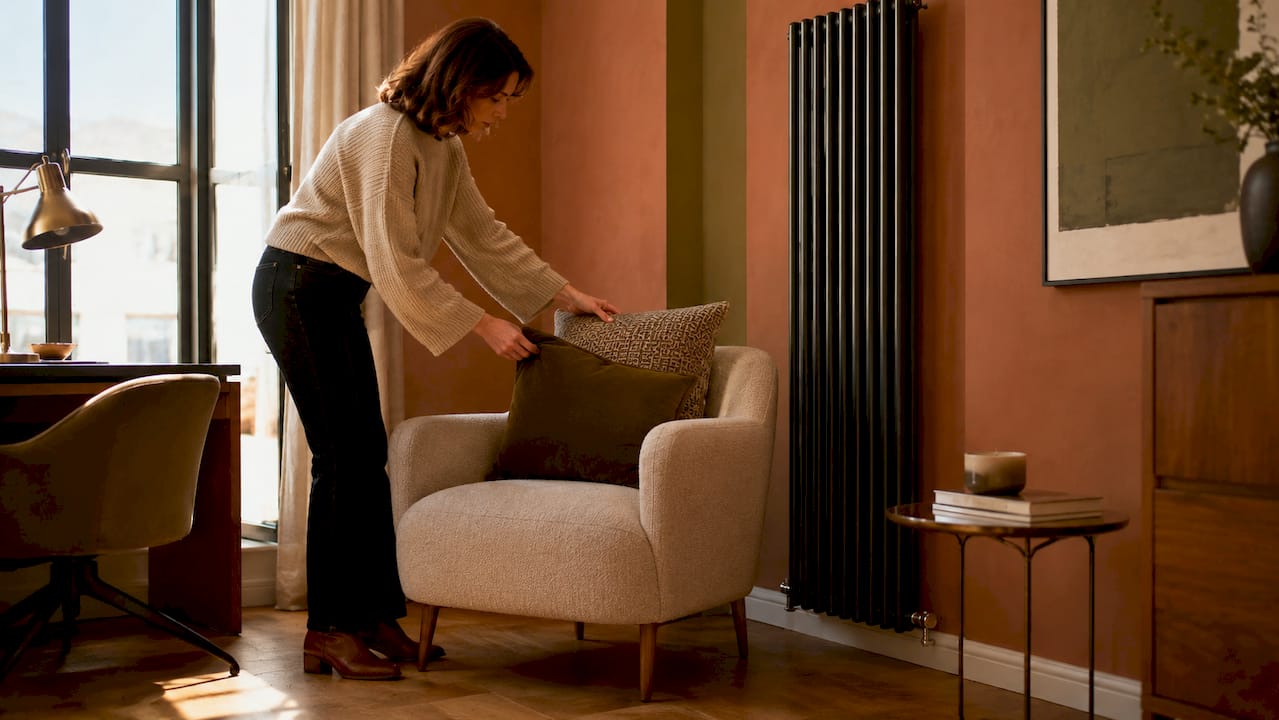
Home heating in décor is defined as the deliberate integration of warmth delivery systems into the visual and spatial design of a room, where every heating element either contributes to or competes with your interior style. Most homeowners treat heating as a utility and décor as a separate concern. That separation is where comfort and beauty both suffer. The heating elements you choose, where you place them, and how you finish them shape furniture layout, room ambiance, and the overall mood of your living space. This guide covers how to make heating design aesthetics work for you, not against you.
How does heating affect furniture layout and room planning?
Vent placement critically affects furniture arrangement and comfort, requiring you to co-plan your layout and airflow from the start. This is not a minor consideration. Position a sofa directly over a supply vent and you get drafts on your legs all winter. Block a return vent with a bookcase and your system works harder while your room stays unevenly heated.
Airflow design functions as invisible architecture, shaping how comfortable and livable a room actually feels even when everything looks right on paper. A well-planned room accounts for where warm air enters and where it exits. Ignoring this creates cold corners, drafty seating zones, and a constant sense that the room never quite feels right.
Practical planning around heating placement means thinking through a few key constraints before you move a single piece of furniture:
- Place seating at least 18 inches from supply vents to avoid direct drafts on occupants
- Keep return vents fully clear of furniture, curtains, and rugs to maintain airflow efficiency
- Position radiators on exterior walls beneath windows to counteract cold air dropping from the glass
- Treat vent placement as a core design constraint, equivalent to window or TV placement, when planning any room layout
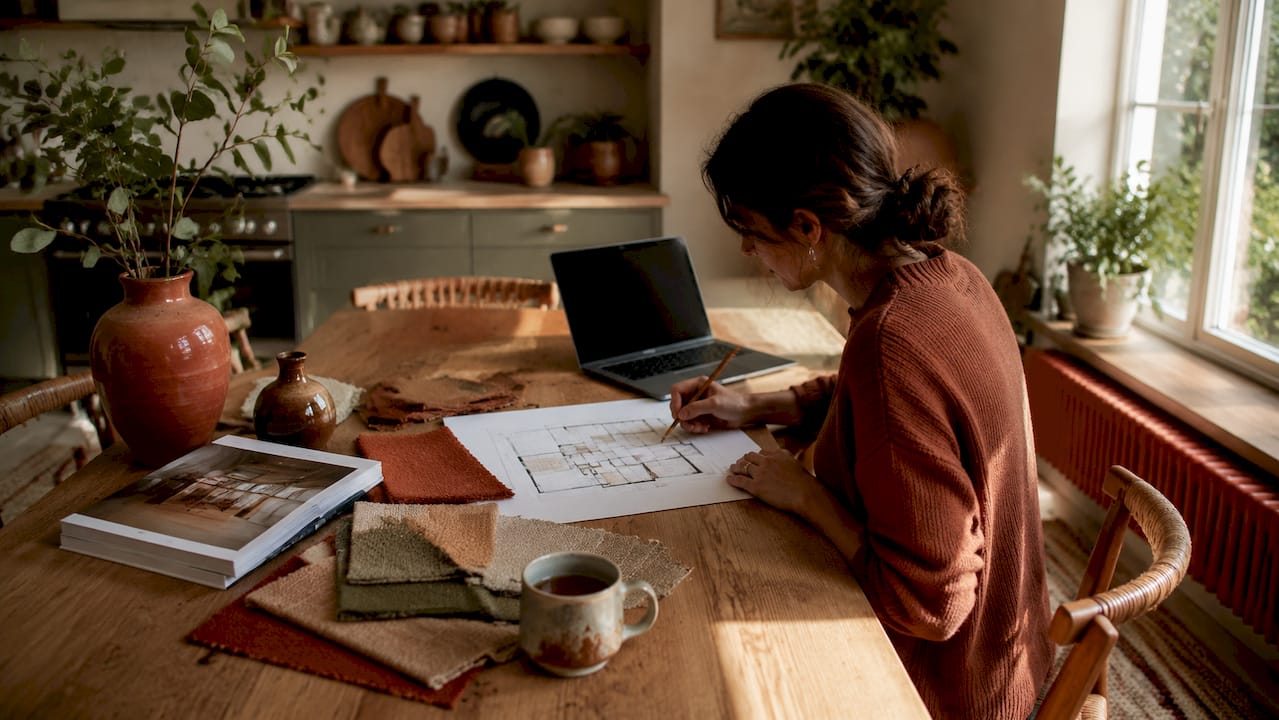
Pro Tip: Sketch your vent and radiator positions on a floor plan before buying or arranging furniture. This one step prevents the most common layout mistakes that make rooms feel drafty or uneven.
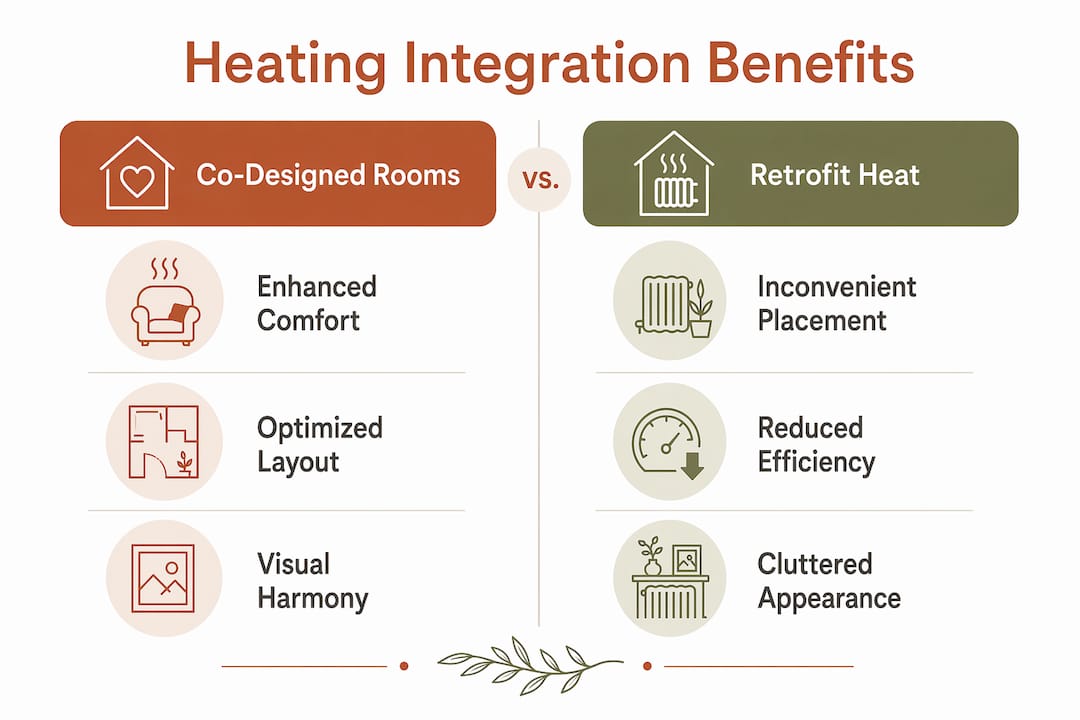
The payoff for this kind of planning is real. Rooms where heating and furniture placement are co-designed feel warmer at lower thermostat settings, because the heat reaches people rather than pooling near the ceiling or escaping through blocked vents.
What are the best decorative heating solutions for modern interiors?
Decorative heating solutions are products designed to deliver warmth while functioning as intentional design elements rather than necessary eyesores. The market has shifted significantly. You no longer have to choose between a room that heats well and one that looks good.
Here is how the main options compare across design impact and flexibility:
| Heating type | Design profile | Placement flexibility | Visual impact |
|---|---|---|---|
| Modern flat-panel radiator | Slim, 4 to 7 cm thick | Wall-mounted, fixed | Low visual disruption |
| Electric space heater with smart controls | Compact, portable | High, no installation | Moderate, varies by model |
| Radiant floor heating | Completely invisible | Fixed beneath flooring | Zero visual footprint |
| Bio ethanol tabletop fireplace | Statement piece | Fully portable, no installation | High, warm flame ambiance |
Modern radiator designs feature slim profiles and statement formats that blend far better with contemporary interiors than older bulky cast-iron units. Flat panels in matte white, anthracite, or even custom colors sit flush against walls and can double as subtle architectural features. Some designers use vertical column radiators as room dividers or accent walls.
Modern electric space heaters now include thermostats, adaptive start functions, and weekly timers, giving you precise control over both temperature and energy use. This matters for décor because consistent temperature management also protects wood furniture, artwork, and fabrics from the warping and fading that comes with temperature swings.
Radiant floor heating avoids hot and cold zones near vents entirely and integrates into interior design without any visible component. It is the most décor-neutral option available. The trade-off is installation cost and the fact that it works best when planned during a renovation rather than retrofitted.
Pro Tip: Bio ethanol tabletop fireplaces from brands like Flaemme offer the visual warmth of a real flame with zero installation. They work as portable focal points you can move between rooms or take outdoors, making them one of the most flexible decorative heating solutions available.
How do paint and finish choices affect radiator efficiency and style?
The finish you choose for a radiator is not just a style decision. It directly affects how much heat the radiator actually delivers into the room. Metallic paints on radiators can reduce heat output by up to 50% compared to matte black high-emissivity paint. That is a significant performance penalty for a purely cosmetic choice.
The reason comes down to emissivity, which is the material’s ability to radiate heat outward. Matte finishes have high emissivity and push heat into the room efficiently. Metallic finishes reflect heat back rather than radiating it, reducing the radiator’s effective output.
Here is how common radiator finishes compare on heat performance and design impact:
| Finish type | Emissivity level | Heat output effect | Best design context |
|---|---|---|---|
| Matte black | High | Maximum output | Industrial, modern, Scandi |
| Matte white | High | Near-maximum output | Minimal, classic, neutral |
| Gloss white | Moderate | Slight reduction | Traditional, period homes |
| Metallic bronze or silver | Low | Up to 50% reduction | Decorative only, low-heat rooms |
| Powder-coated color | High to moderate | Minimal reduction | Contemporary, accent walls |
For historic homes with cast-iron radiators, this trade-off becomes especially relevant. A beautifully restored radiator painted in metallic silver may look stunning but heat the room poorly. The smarter choice is a powder-coated matte finish in a color that complements the room. You get the visual character of the original unit without sacrificing warmth.
Radiators also need clearance to perform well. Radiators require at least 12 inches of clearance above and 6 inches on each side for proper convection. Decorative covers can work, but only if they use perforated panels or open grilles that allow air to circulate freely. A solid wooden box around a radiator is a heating system you are paying to run at reduced capacity.
How does heating shape room ambiance beyond temperature?
The impact of heating on décor extends well beyond the thermostat reading. Heating elements contribute to the visual warmth and emotional tone of a room in ways that pure temperature cannot replicate. Fireplace light and candlelight provide calming, cozy effects that augment décor beyond temperature alone. This is why a room with a lit fireplace feels warmer and more inviting than an identically heated room without one.
The ambiance contribution of heating elements works through several channels:
- Visual warmth: Flame light, warm-toned heating panels, and glowing embers shift the perceived color temperature of a room toward amber and gold, which reads as cozy and intimate
- Focal point creation: A fireplace, a statement radiator, or a tabletop bio ethanol flame gives the eye a natural resting point, anchoring the room’s composition
- Humidity and comfort: Consistent heating without dramatic temperature swings maintains stable humidity levels, which protects wood floors, reduces static, and makes the air feel more comfortable at lower temperatures
- Mood and behavior: Rooms with visible heating elements like fireplaces tend to encourage slower, more relaxed behavior. People sit longer, converse more, and report higher satisfaction with the space
Heating is often unnoticed until its comfort effects fail, which highlights exactly why intentional integration matters. When heating works well and looks good, it disappears into the background of a room that simply feels right. When it fails on either dimension, it becomes the first thing you notice.
For renters and homeowners who want to add ambiance through a fireplace without structural changes, bio ethanol tabletop fireplaces deliver real flame warmth and atmosphere with no chimney, no gas line, and no installation required.
Key takeaways
Heating elements that are planned alongside interior design, rather than added as an afterthought, produce rooms that are both warmer and more visually cohesive.
| Point | Details |
|---|---|
| Plan heating placement first | Treat vent and radiator positions as core layout constraints before arranging furniture. |
| Choose finish for function | Matte finishes maximize heat output; metallic paints can cut radiator efficiency by up to 50%. |
| Use heating as a focal point | Fireplaces and statement radiators anchor room composition and add visual warmth beyond temperature. |
| Preserve radiator airflow | Decorative covers must use perforated panels to avoid reducing convection and heat distribution. |
| Portable options add flexibility | Bio ethanol tabletop fireplaces create instant ambiance with no installation, ideal for renters. |
Why heating placement is the design decision most people get wrong
Most interior design advice focuses on color palettes, furniture scale, and lighting. Heating placement rarely gets mentioned until someone is already living in a room that never feels quite right. I have seen beautifully styled spaces that are genuinely uncomfortable because a sofa blocks a return vent or a radiator is tucked behind a curtain.
The counterintuitive truth is that heating controls and placement have more impact on how a room feels day to day than almost any decorative choice. You can repaint walls and swap cushions, but you cannot easily move a radiator or reroute ductwork once a room is finished.
My honest recommendation is to treat heating as a first-principle design decision, not a final-step utility. If you are renovating, plan radiant floor heating or wall-mounted flat-panel radiators before you choose flooring or furniture. If you are working with an existing space, use portable heating solutions like bio ethanol tabletop fireplaces to add warmth and ambiance exactly where you need it, without committing to permanent changes.
The best heating solutions are the ones you stop noticing because they work so well. That is the goal: a room that feels warm, looks intentional, and never makes you choose between comfort and style. For practical guidance on stylish heating choices that work with your existing décor, it is worth exploring options before your next cold season arrives.
— V&M
Bring warmth and style together with Flaemme
If you want to add real flame warmth to your home without drilling a single hole, Flaemme’s bio ethanol tabletop fireplaces are designed exactly for that. Each piece burns clean bio ethanol fuel, produces no smoke, and requires no chimney or gas connection. You get a genuine flame, enchanting warmth, and a statement design object you can place on a dining table, coffee table, or outdoor terrace.
Flaemme ships across Europe with free delivery and a 30-day return policy. Whether you are looking for a portable fireplace option that fits a rented apartment or a design-forward focal point for a living room refresh, the Flaemme collection offers modern shapes and finishes that complement any interior style. → Explore the full Flaemme collection
FAQ
What is the role of home heating in décor?
Home heating in décor refers to how heating systems, placement choices, and heating products contribute to both the comfort and visual design of a room. Heating elements influence furniture layout, room ambiance, and overall style when integrated intentionally.
Does radiator placement really affect interior design?
Yes. Supply vents placed over seating create drafts, and blocked return vents reduce heating efficiency and comfort. Treating radiator and vent placement as a core layout constraint, equivalent to window placement, produces better results for both comfort and room design.
What heating option has the least visual impact on décor?
Radiant floor heating has the smallest visual footprint because it has no visible components and delivers uniform heat across the floor. It is the most décor-neutral heating option, though it works best when installed during a renovation.
Can painting a radiator affect how well it heats a room?
Yes, significantly. Metallic paints reduce emissivity and can cut a radiator’s heat output by up to 50% compared to matte black or matte white finishes. Matte powder-coated colors are the best choice when you want both style and full heating performance.
Are bio ethanol fireplaces a practical heating solution for renters?
Bio ethanol tabletop fireplaces are one of the most practical options for renters because they require no installation, no chimney, and no gas connection. They provide real flame warmth and visual ambiance and can be moved between rooms or used outdoors.