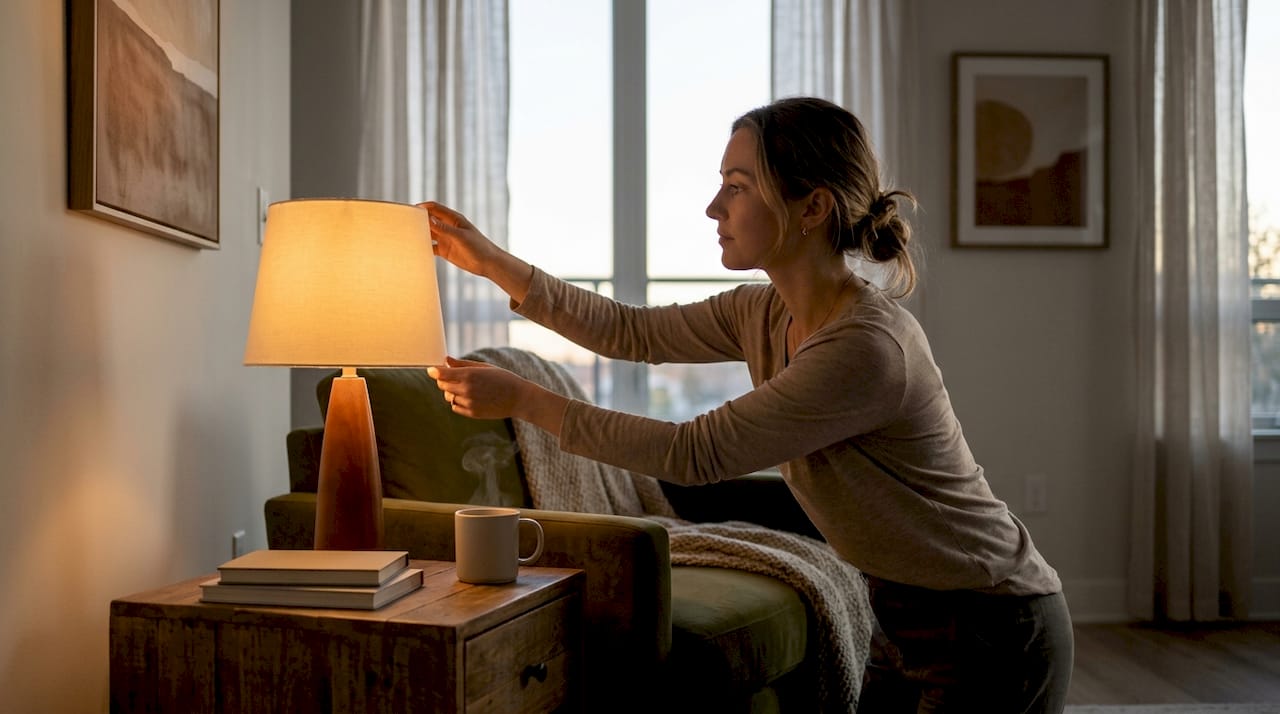
The Role of Atmosphere in Home Decor That Transforms Spaces
TL;DR:
- Atmosphere in home decor is an emotional and sensory experience shaped by light, materials, and subtle details that go beyond visual decoration. Layered lighting, natural materials, and sensory cues like scent and sound create a calming, authentic refuge aligned with emotional goals. Prioritizing atmosphere before decoration ensures a space feels truly cozy, restorative, or energizing, rather than merely aesthetically pleasing.
Atmosphere in home decor is the emotional and sensory experience a space creates, shaped by light, material, proportion, and subtle sensory details rather than visual decoration alone. Interior designers call this quality “ambient design” or “mood-driven design,” and it separates homes that feel genuinely alive from rooms that simply look put together. Where decoration addresses what you see, atmosphere is experiential, transforming a collection of objects into an emotional refuge that supports your well-being. Understanding the role of atmosphere in home decor means recognizing that every sensory layer you add, from the warmth of a lamp to the grain of a wooden floor, contributes to how a room makes you feel the moment you walk in.
How lighting shapes the atmosphere and mood in interiors
Lighting is the single most powerful atmospheric design element in any home, and its effects are neurological before they are aesthetic. Lighting quality impacts mood more than paint or furniture, with improper overhead lighting increasing alertness and stress. That finding from neurodesign research means the ceiling fixture you rely on every evening may be working against your ability to relax.
The core principle is layering. Layered lighting at different heights reduces eye strain and signals safety and ease to the brain, supporting circadian regulation and relaxation. Practically, this means combining three types of light in every room.
- Ambient lighting provides the overall base glow, ideally from floor lamps or wall sconces rather than a single overhead source.
- Task lighting targets specific activities like reading or cooking, using focused desk lamps or under-cabinet strips.
- Accent lighting highlights architectural features, artwork, or plants, adding depth and visual warmth.
Natural light deserves equal attention. Morning light from east-facing windows energizes a kitchen or home office, while the softer afternoon light through west-facing glass creates a naturally cozy living room by early evening. Sheer curtains diffuse harsh midday sun without blocking the light entirely, keeping the room feeling open and calm.
Soft, diffused gradients rather than hard shadows create calm, lived-in spaces. Designers describe harsh, high-contrast lighting as “sterile” because it removes the sense of comfort that a home should provide. Warm-toned bulbs in the 2700K to 3000K range replicate the golden quality of candlelight and work well in living rooms and bedrooms.
Pro Tip: Switch off overhead lights after 6 p.m. and rely entirely on floor and table lamps placed at eye level. This single change reduces visual overstimulation and signals to your nervous system that it is time to wind down.
What material choices do for your home’s atmosphere
Materials send subconscious mood signals, and consistency of material language is the foundation of atmospheric harmony. A room that mixes hardwood floors with synthetic laminate shelving and chrome fixtures creates an atmospheric disconnect that no amount of styling can fully resolve.

The table below shows how common materials translate into emotional tone.
| Material | Emotional signal |
|---|---|
| Warm oak or walnut wood | Comfort, groundedness, organic warmth |
| Natural stone or brick | Permanence, calm, tactile richness |
| Linen and cotton textiles | Softness, ease, relaxed informality |
| Glass and polished steel | Clarity, precision, cool energy |
| Concrete | Minimalist calm, urban edge |
Natural materials consistently read as warmer and more inviting because they carry visual texture and slight imperfection. A linen sofa, a stone coffee table, and oak shelving all speak the same material language. Introducing a high-gloss synthetic surface into that grouping introduces a visual note that the eye registers as discordant, even if the person cannot articulate why.
Tactile texture matters beyond what you see. Running your hand along a rough plaster wall or a woven throw blanket activates a sensory response that deepens your sense of comfort in a space. Designers call this “haptic richness,” and it is why rooms with varied textures feel more alive than those with uniformly smooth surfaces.
Window frames and their materials also shape the interior-exterior transition. Slim black steel frames create a graphic, contemporary connection to the outdoors. Painted timber frames soften that boundary and reinforce a warmer, more traditional atmosphere. The choice is not merely aesthetic. It determines how the room relates to natural light and the landscape beyond.
Pro Tip: Before purchasing any new furniture or decor, identify the dominant material in your room. Every new piece should share at least one material quality with what is already there, whether that is warmth, texture, or finish.
What multi-sensory details create emotional refuge at home
Small sensory moments like background music, aroma, personal objects, and natural light movement shape how a home feels in ways that pure decoration cannot reach. Atmosphere involves all five senses working together, and neglecting any one of them leaves a room feeling incomplete.
Consider what a well-designed living room actually delivers beyond its visual arrangement.
- The low hum of a favorite playlist creates a sonic backdrop that signals relaxation.
- The smell of coffee in the morning or a single scented candle in the evening anchors the room in memory and comfort.
- The movement of a houseplant in a gentle draft introduces organic life and subtle visual rhythm.
- A personal photograph or a well-worn book on the coffee table communicates that this space belongs to someone specific.
“Atmosphere is what remains when you close your eyes. It is the feeling of a place, not its appearance.”
These details are irreplaceable because they are personal. No two homes can share the same atmosphere, even if they share identical furniture. That uniqueness is what makes a home feel like a refuge rather than a showroom.
Restraint plays an equally important role. Too many competing objects unsettle a space and diminish emotional calm. Allowing some elements to recede, keeping surfaces clear, and leaving negative space around furniture gives a room presence. The Japanese design concept of ma, meaning purposeful empty space, captures this idea precisely. A room that breathes is a room that calms.
Temperature and warmth are sensory elements that often get overlooked in decor planning. The gentle heat and living flame of a home ambience fireplace adds both tactile warmth and visual movement, two sensory layers that no artwork or cushion can replicate.
How to design atmosphere around your emotional goals
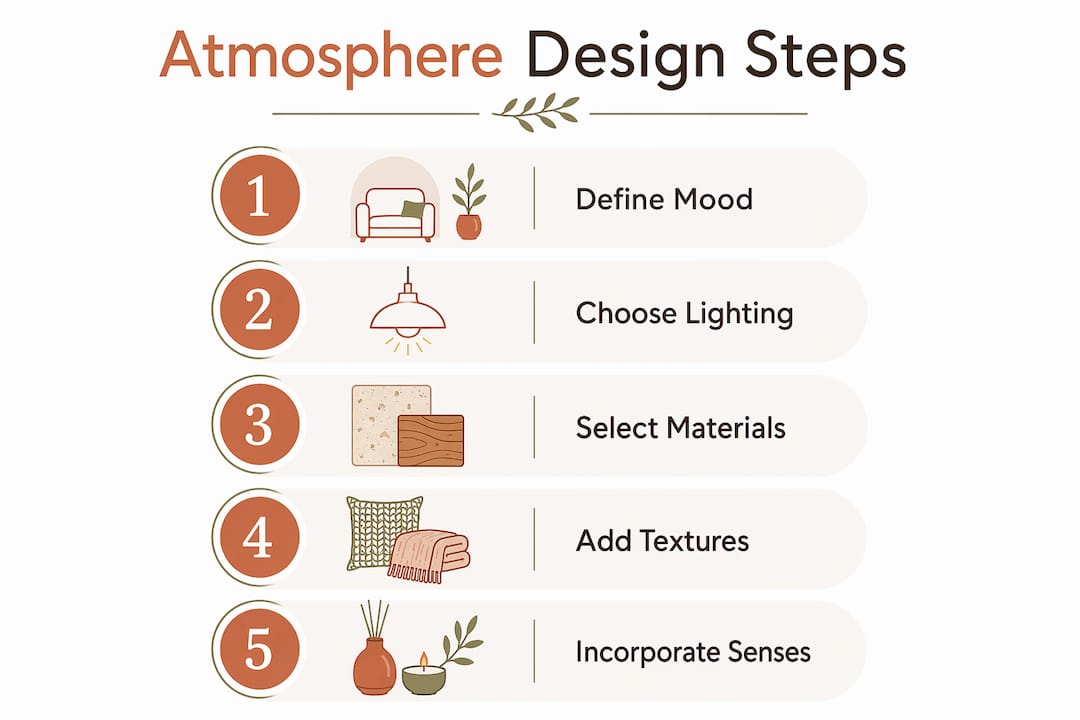
Mood-driven design strategies emphasize defining the desired emotional outcome before selecting colors, light, or layout. Starting with the feeling you want to create, rather than the objects you want to buy, prevents mismatched purchases and builds a coherent atmosphere from the ground up.
Here is a practical framework for approaching each room with emotional intent.
- Define the emotional goal. Write down one or two words that describe how you want to feel in the room. “Calm and focused” for a home office. “Warm and social” for a living room. “Restorative” for a bedroom.
- Select your light first. Atmosphere primes behavior by setting an emotional baseline appropriate to the room’s intended use. Warm, low lighting supports relaxation. Cooler, brighter light supports concentration.
- Choose a material palette. Limit yourself to three to four materials that share a tonal and textural relationship. Warm wood, natural linen, and matte plaster work together. Polished concrete, glass, and brushed steel form a different but equally coherent palette.
- Layer sensory details last. Add scent, sound, and personal objects after the structural elements are in place. These details amplify the atmosphere you have already built rather than trying to create it from scratch.
- Edit ruthlessly. The 3-5-7 rule in arrangement, grouping objects in odd numbers of three, five, or seven, creates visual rhythm without clutter. Apply the same logic to every surface in your home.
The table below maps emotional goals to specific design choices.
| Emotional goal | Lighting | Materials | Sensory detail |
|---|---|---|---|
| Calm and restorative | Warm, low ambient lamps | Linen, natural wood, stone | Soft music, neutral scent |
| Focused and energized | Cooler task lighting | Concrete, glass, steel | Minimal objects, clean surfaces |
| Warm and social | Layered warm accent lights | Oak, brick, woven textiles | Candles, fire, personal objects |
| Cozy and intimate | Single warm floor lamp | Velvet, dark wood, plaster | Soft throws, low background music |
Pro Tip: Treat your living room lighting like a dimmer dial, not a switch. Invest in at least one lamp with a dimmer function so you can shift the room’s emotional register from afternoon energy to evening calm without changing a single piece of furniture.
Key takeaways
Atmosphere in home decor is built from light, material, and sensory layering, and designing it intentionally around an emotional goal produces spaces that feel genuinely restorative.
| Point | Details |
|---|---|
| Lighting is the primary lever | Switch to layered warm lamps and reduce overhead lighting to shift mood immediately. |
| Material consistency matters | Choose three to four materials that share tonal and textural qualities to avoid atmospheric disconnect. |
| Sensory details complete the picture | Add scent, sound, and personal objects after structural elements are in place. |
| Restraint creates presence | Clear surfaces and negative space give a room emotional calm that clutter destroys. |
| Start with emotional intent | Define the feeling you want before selecting any decor, color, or furniture. |
Why atmosphere always comes before decoration
Most homeowners I encounter approach a new room the same way: they buy furniture, add art, choose a paint color, and then wonder why the space still feels flat. The sequence is the problem. Decoration answers the question of what a room looks like. Atmosphere answers the question of what a room feels like. You cannot decorate your way to a genuinely cozy or calming home if the foundational elements, light quality, material coherence, and sensory warmth, are not in place first.
The most common mistake I see is over-lighting. A single bright overhead fixture makes a room feel like a waiting room regardless of how beautiful the furniture is. Replacing that one fixture with two or three warm lamps at different heights transforms the emotional register of the space in under ten minutes and costs far less than a new sofa.
I also think homeowners underestimate the power of warmth as a sensory element. Not just visual warmth from color, but actual physical warmth and the visual movement of a real flame. A tabletop fire pit on a coffee table or dining surface adds something that no lamp or candle fully replicates: the living, shifting quality of fire that the human brain is wired to find calming and social. It is one of the fastest ways to shift a room from decorated to atmospheric.
The homes that stay with you, the ones you remember long after you have left, are never the most expensively furnished. They are the ones where someone paid attention to how the light fell, what the surfaces felt like underfoot, and what the air smelled like. That is atmosphere. And it is entirely within your reach.
— V&M
Add instant warmth and atmosphere with Flaemme
If you want to put these atmospheric design principles into practice immediately, Flaemme’s bio ethanol tabletop fire pits are one of the most direct ways to do it. Real flame adds living light, physical warmth, and visual movement to any room, three sensory layers that no lamp or candle fully delivers on its own.

Flaemme fire pits are smokeless, portable, and require no installation or chimney. They work equally well indoors on a dining table or outdoors on a patio, making them a flexible tool for creating cozy atmosphere wherever you need it. Explore the full range of outdoor tabletop fire pits or browse the smokeless fire pit collection to find a style that fits your home. Free delivery and 30-day returns are included across Europe. →
FAQ
What is the role of atmosphere in home decor?
Atmosphere in home decor is the emotional and sensory experience a space creates, shaped by light, material, texture, and sensory details. It goes beyond visual decoration to determine how a room actually feels to the people inside it.
How does lighting affect the atmosphere of a room?
Lighting quality impacts mood more than paint or furniture, with harsh overhead lighting increasing stress and alertness. Layered warm lighting using ambient, task, and accent sources supports relaxation and signals safety to the nervous system.
What materials create the best home atmosphere?
Natural materials like wood, stone, linen, and brick create warmth and comfort because they carry visual texture and slight imperfection. Consistency in your material palette is more important than any single material choice.
How do you create a cozy atmosphere at home?
Start by defining the emotional goal for the room, then layer warm low-level lighting, choose natural textures, and add sensory details like scent, soft music, and personal objects. Restraint and clear surfaces amplify the effect.
Why does restraint matter in atmospheric design?
Too many competing objects unsettle a space and reduce emotional calm. Allowing some elements to recede and leaving negative space around furniture gives a room presence and makes the atmosphere feel intentional rather than cluttered.