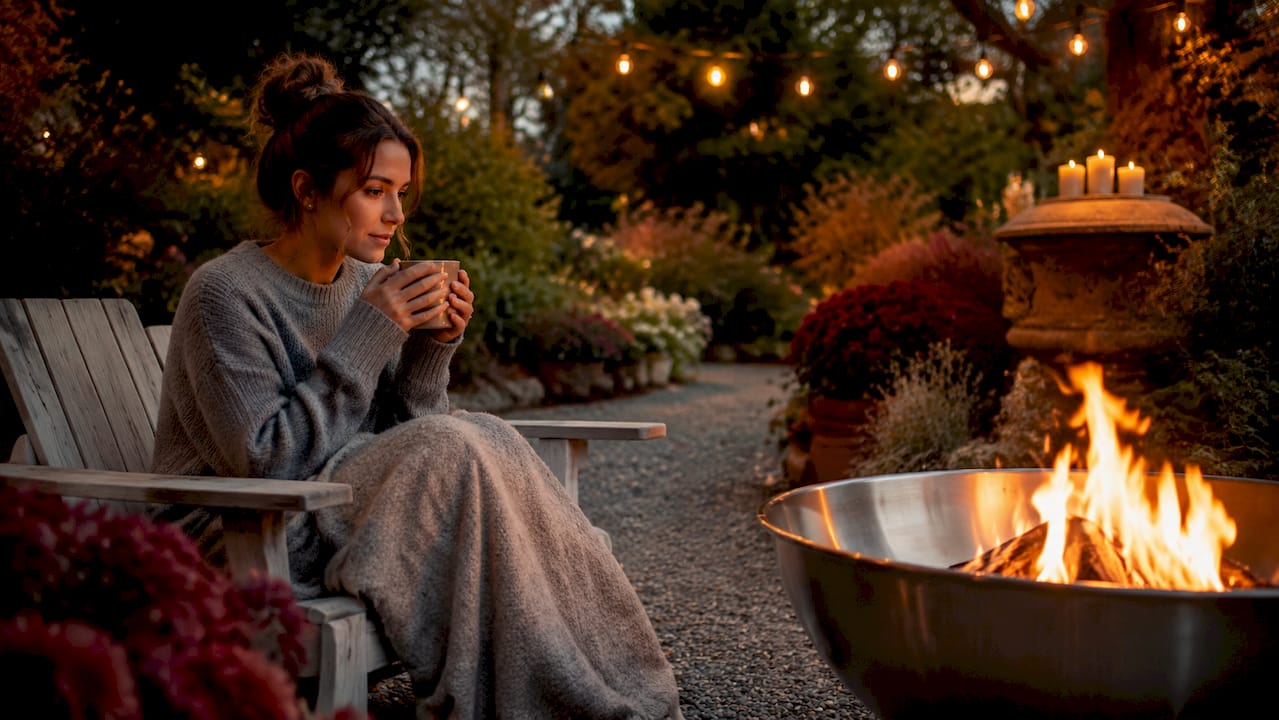
What Defines a Patio Fire Feature: A Complete Guide
TL;DR:
- Patio fire features include fire pits, outdoor fireplaces, and fire tables, each suited to different spaces and social needs. The best materials are fire-rated brick and steel liners for safety, with safe exterior options like granite and basalt; avoid porous stones that can crack or explode. Proper placement, clearances, and ease of operation determine how often a fire feature gets used, making site conditions more important than appearance.
A patio fire feature is an outdoor installation designed to provide warmth, create ambiance, and serve as a social focal point, typically taking the form of fire pits, outdoor fireplaces, or fire tables. Understanding what defines a patio fire feature goes beyond picking a style you like. The right choice depends on your patio size, seating needs, local climate, and how often you plan to use it. This guide breaks down every defining element so you can choose with confidence.
What are the main types of patio fire features?
Patio fire features fall into three main types: fire pits, outdoor fireplaces, and fire tables. Each one creates a different atmosphere and serves a different spatial function on your patio.
Fire pits are open, low-profile structures that radiate heat in all directions. They naturally invite informal, circular seating and work best when you want everyone gathered equally around the flame. A round steel fire pit or a built-in stone bowl both follow this format.
Outdoor fireplaces are vertical, enclosed structures that direct heat outward from one face. They function like an architectural wall on your patio, creating a formal focal point. Because heat flows in one direction, seating faces the fireplace rather than surrounding it. Fireplaces require integrating venting, foundations, and utilities into structural plans, making them the most complex outdoor fire feature to install.
Fire tables combine a fire element with a flat surface, typically a tabletop frame with a central burner. They work well in dining or lounge settings where you want warmth without sacrificing table space. The flame is lower and more contained, which suits intimate gatherings and smaller patios.
| Feature | Form | Heat pattern | Seating style | Cost range |
|---|---|---|---|---|
| Fire pit | Open bowl or ring | 360 degrees | Circular, informal | A few hundred to $5,000 |
| Outdoor fireplace | Vertical structure | Directional | Facing forward | $4,000 to $10,000+ |
| Fire table | Tabletop with burner | Low and contained | Around the table | Mid-range, varies |
Pro Tip: If your patio hosts groups of four or more regularly, a fire pit delivers the most social value per dollar. Fireplaces work best as permanent architectural statements for larger, structured outdoor rooms.

What materials best define a durable and safe patio fire feature?
Material choice determines both safety and longevity. Fire-rated masonry such as fire brick and steel liners are strongly recommended for the burn chamber. The exterior can use granite, basalt, or fire-rated concrete blocks for a clean, lasting finish.
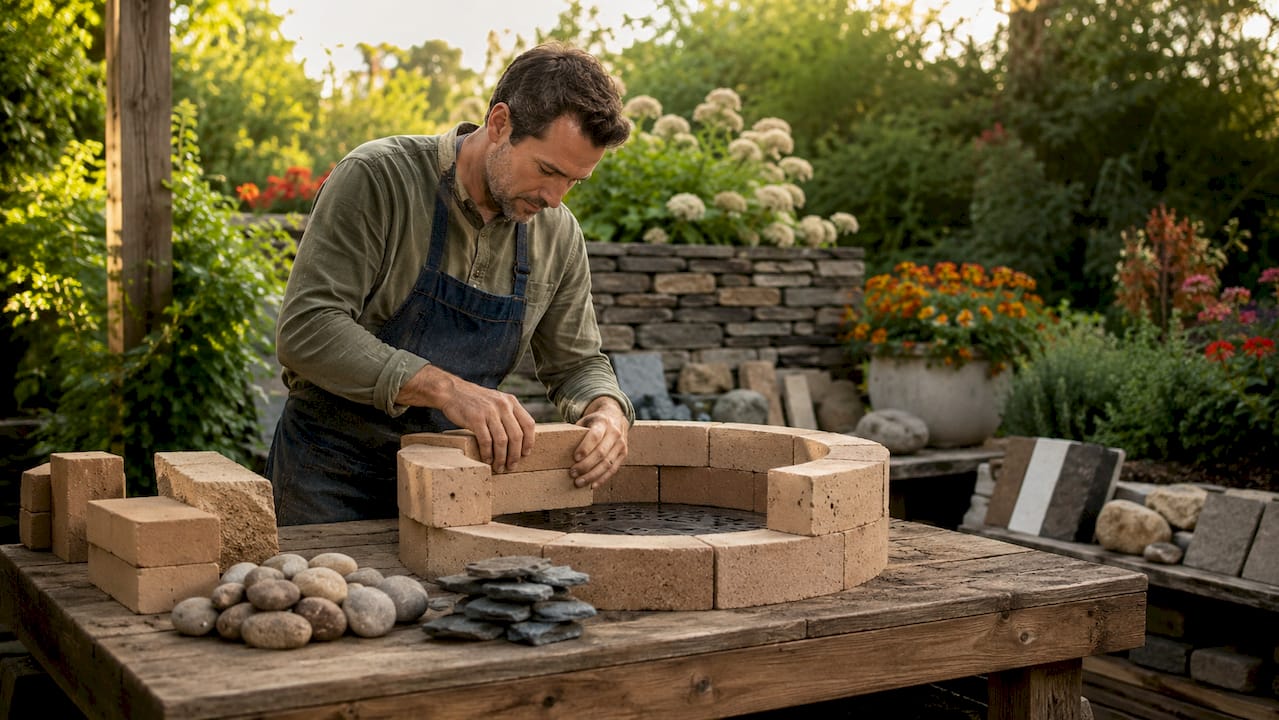
The materials you must avoid are just as important as the ones you choose. Using non-fire-rated stones inside the fire chamber is dangerous because moisture trapped inside the stone expands rapidly under heat and can cause explosive cracking. This is a real safety risk, not just a durability concern.
Materials to avoid inside the burn chamber:
- River rock and landscaping stones: Contain trapped moisture that causes explosive failure under heat
- Sandstone: Porous and prone to cracking when exposed to repeated high temperatures
- Limestone: Breaks down chemically when burned repeatedly, weakening the structure over time
- Untreated concrete blocks: Standard blocks are not rated for direct flame contact
Safe exterior materials for the outer shell of your fire feature include granite, basalt, and cast iron. These materials handle thermal expansion well and age gracefully through European weather cycles. Steel fire bowls are a practical and affordable option for portable setups, though they require seasonal treatment to prevent rust.
Pro Tip: When in doubt about a stone’s fire rating, ask your supplier directly. If they cannot confirm it is fire-rated, do not use it in the burn chamber. The cost of replacing the right material is far lower than the cost of a structural failure.
Maintenance is also tied directly to material choice. Granite and basalt require minimal upkeep. Steel needs occasional oiling or powder-coat touch-ups. Fire brick inside the chamber should be inspected annually for cracks and repointed with refractory mortar when needed.
How do design elements and patio layout shape your fire feature choice?
A fire feature is more than a heater. It defines social dynamics and atmosphere through its shape and position in the patio layout. Getting the placement right matters as much as the feature itself.
Seating geometry is the first design consideration. Fire pits support 360-degree social interaction, which works naturally on square or round patios with chairs arranged in a circle. Fireplaces demand a facing arrangement, which suits rectangular patios with a clear front and back orientation. Seating strongly influences ambiance and use frequency, so plan your layout before you commit to a feature type.
Key layout factors to address before installation:
- Clearance space: Clearances of 6–7 feet around the fire feature are recommended for safety and comfortable movement
- Wind direction: Observe prevailing wind patterns before selecting a location; poor placement can make a feature unusable regardless of cost
- Windbreaks: Fences, hedges, or pergola walls can shelter the fire area and extend usable evenings significantly
- Patio integration: Integrating fire features with patio materials and paving patterns creates a cohesive outdoor space; isolated features look like afterthoughts
Patio size sets a hard limit on your options. A compact urban terrace of 20 square meters cannot safely accommodate a full masonry fireplace. A fire table or a portable fire pit suits that space far better. Larger patios with defined zones can support a permanent fireplace as an anchor for the seating area.
The visual style of your patio also matters. A sleek concrete patio pairs naturally with a steel or cast-iron fire bowl. A natural stone terrace suits a granite or basalt fire pit surround. Matching materials across your patio creates the kind of cohesion that makes the whole space feel designed rather than assembled.
You can find detailed guidance on patio arrangement with fire to help you map seating zones before you commit to a feature type.
What practical considerations matter when choosing a fire feature?
Choosing the right fire feature comes down to four practical factors: budget, fuel type, installation complexity, and how often you will realistically use it.
-
Set a realistic budget first. Portable fire pits start at a few hundred dollars, while custom stone or gas fire pits can reach $5,000. Outdoor fireplaces start around $4,000 and can exceed $10,000 with masonry and gas line installation. Knowing your ceiling prevents scope creep during planning.
-
Choose your fuel type deliberately. Wood fires deliver authentic crackling ambiance but require dry storage, produce smoke, and need ash cleanup after every use. Gas fires (natural gas or propane) light instantly, produce no smoke, and require minimal maintenance. Bio ethanol fires, like those used in Flaemme tabletop models, burn cleanly with no gas lines or chimneys required.
-
Understand installation requirements. Portable fire pits offer flexibility and affordability; permanent fireplaces require foundation work, utility connections, and often a building permit. In Germany, Austria, and Switzerland, local fire codes and HOA rules vary by municipality. Check with your local Bauamt (building authority) before starting any permanent installation.
-
Factor in local regulations. Many European municipalities restrict open wood fires on residential patios, particularly in densely built areas. Gas and bio ethanol options often face fewer restrictions. Always confirm local rules before purchasing a wood-burning model.
Pro Tip: The success of a patio fire feature is measured by usage frequency. A feature that is easy to light and maintain gets used regularly. One that requires 20 minutes of setup becomes a decoration. Prioritize ease of use over visual drama.
For a full safety and setup checklist, the patio fire pit safety guide from Flaemme covers clearances, fuel handling, and seasonal maintenance in practical detail.
Key Takeaways
A patio fire feature is defined by its structure, fuel type, and placement, and the best choice is the one you will actually use regularly.
| Point | Details |
|---|---|
| Three core types | Fire pits, outdoor fireplaces, and fire tables each serve different spatial and social functions. |
| Material safety is non-negotiable | Use fire-rated brick and steel liners in the burn chamber; never use river rock, sandstone, or limestone. |
| Layout drives usability | Clearances of 6–7 feet, wind direction, and seating geometry determine whether a feature gets used. |
| Budget shapes your options | Portable fire pits start at a few hundred dollars; permanent fireplaces can exceed $10,000 installed. |
| Ease of use predicts success | Features that are simple to light and maintain get used far more often than complex setups. |
What I’ve learned about choosing a fire feature that actually gets used
Most homeowners focus almost entirely on how a fire feature looks in a catalog photo. That is the wrong starting point. The features that get used season after season are the ones that fit the actual conditions of the patio, not the ones that look most impressive in a showroom.
Wind is the factor I see ignored most often. A beautifully built stone fire pit placed in a wind corridor becomes a smoke machine. You use it once, hate the experience, and it sits unused for years. Spending 20 minutes observing your patio on a breezy evening before you commit to a location saves enormous frustration later.
The other mistake I see regularly is choosing a feature that requires too much effort to operate. Wood-burning setups demand dry wood storage, fire-starting materials, and post-use cleanup. For someone who wants to step outside on a Tuesday evening and have warmth in five minutes, that friction is a deal-breaker. Gas and bio ethanol options remove that barrier entirely.
My honest recommendation: choose based on your site conditions first, your social habits second, and aesthetics third. A fire feature that matches your patio’s wind exposure, seating layout, and maintenance tolerance will deliver more genuine comfort than one chosen purely for looks. The enchanting warmth of a real flame is only as good as how often you actually sit beside it.
— V&M
Discover Flaemme’s portable outdoor fire pits
If you want the warmth and visual charm of a real flame without installation, permits, or smoke, Flaemme’s tabletop fire pits are worth a close look.
Flaemme designs smokeless, portable fire pits that run on bio ethanol fuel. They require no gas lines, no chimneys, and no permanent installation. You place one on your patio table, fill it, and have a real flame in minutes. The collection suits compact terraces as well as larger outdoor dining setups. Flaemme ships across Europe with free delivery and a 30-day return policy. Explore the full range of outdoor tabletop fire pits and find the model that fits your patio style. →
FAQ
What defines a patio fire feature?
A patio fire feature is an outdoor structure designed to produce controlled flame for warmth, ambiance, and social gathering. The three main formats are fire pits, outdoor fireplaces, and fire tables, each with distinct heat patterns and seating arrangements.
What are the best materials for a fire pit?
Fire-rated brick and steel liners are the safest choices for the burn chamber. Granite, basalt, and fire-rated concrete blocks work well for the exterior. Never use river rock, sandstone, or limestone inside the burn chamber due to explosive cracking risk.
How much space do I need around a patio fire feature?
A clearance of 6–7 feet around the fire feature is recommended for safety and comfortable seating. This distance allows movement, reduces heat discomfort, and keeps flammable materials at a safe distance.
Gas or wood: which fuel type is better for a patio fire feature?
Gas and bio ethanol fires are easier to maintain, produce no smoke, and suit patios with local restrictions on open wood burning. Wood fires deliver authentic ambiance but require storage, cleanup, and more setup time. The best choice depends on how often you plan to use the feature and your local regulations.
Do I need a permit for a patio fire feature in Germany or Austria?
Permanent installations such as outdoor fireplaces typically require approval from your local Bauamt (building authority) in Germany, Austria, and Switzerland. Portable fire pits and tabletop models generally face fewer restrictions. Always confirm local rules before purchasing or building a permanent fire feature.