
Safe Fire Pit Storage Indoor Guide for Homeowners
TL;DR:
- Safe indoor fire pit storage involves securing the unit in a dry, ventilated space with fuel sources disconnected and protected from moisture. Proper preparation, including thorough cleaning, moisture control, and elevating the unit, helps prevent rust and damage during off-season storage. Regular inspections and avoiding common mistakes like storing propane tanks indoors ensure safety and maintain the fire pit’s condition.
Safe indoor fire pit storage is defined as the practice of securing your fire pit and its accessories in a dry, ventilated space with all fuel sources properly disconnected and protected from moisture. This safe fire pit storage indoor guide covers every step you need, from choosing the right room to cleaning your unit before it goes away for the season. The core rule is simple: moisture, trapped fuel vapors, and poor air circulation cause most storage problems. Get those three factors right, and your fire pit will come out of storage in perfect condition. Products like silica gel packets, breathable covers, and moisture meters are your best tools for the job.
What do you need before storing a fire pit indoors?
The right environment makes or breaks indoor fire pit storage. A dry, ventilated space like a garage, utility room, or climate-controlled shed gives your fire pit the best chance of surviving the off-season without corrosion or damage.
Before you move anything inside, gather these materials:
- Breathable storage cover (canvas or polyester, not plastic sheeting)
- Silica gel packets or desiccant packs to absorb ambient moisture
- Moisture meter to check your storage area’s humidity level
- Cleaning brushes, mild dish soap, and dry cloths
- Battery removal tool or screwdriver for electronic ignition systems
- Wooden pallets or rubber blocks to elevate the fire pit off the floor
One critical rule applies to propane fire pits: never store propane tanks indoors. Propane is heavier than air, meaning any leak pools at floor level and can ignite from a single spark. Always store propane tanks upright in an outdoor, well-ventilated area away from heat sources.
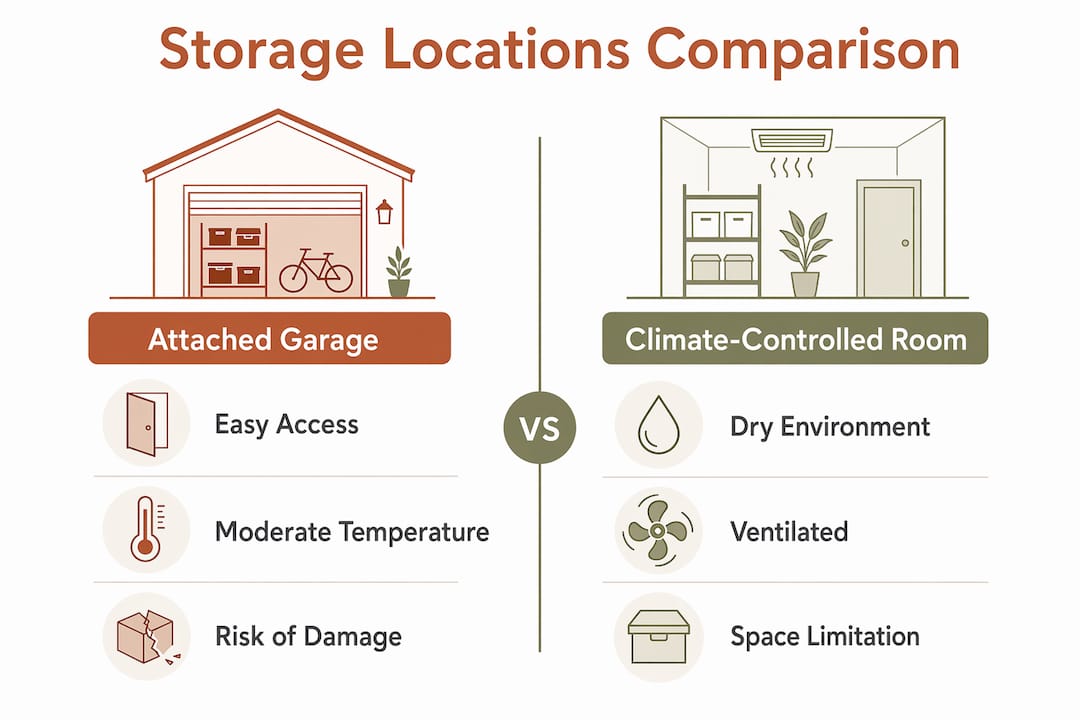
Here is a quick comparison of common indoor storage environments to help you choose wisely:
| Storage Location | Pros | Cons |
|---|---|---|
| Attached garage | Easy access, moderate temperature | Can have humidity spikes in winter |
| Basement | Stable temperature year-round | Often damp; requires dehumidifier |
| Utility shed | Good airflow if vented | Temperature swings; pest risk |
| Climate-controlled closet | Dry and stable | Limited space for larger units |
Pro Tip: Place two or three silica gel packets inside your fire pit’s burner bowl before covering it. This quietly fights humidity without any ongoing effort on your part.
How do you prepare and clean your fire pit for indoor storage?
Thorough preparation before storage prevents the two biggest problems: rust and ignition failure. Skipping this step is the most common mistake homeowners make.
Follow these steps in order:
- Let the fire pit cool completely. Wait at least two hours after the last use before touching any components.
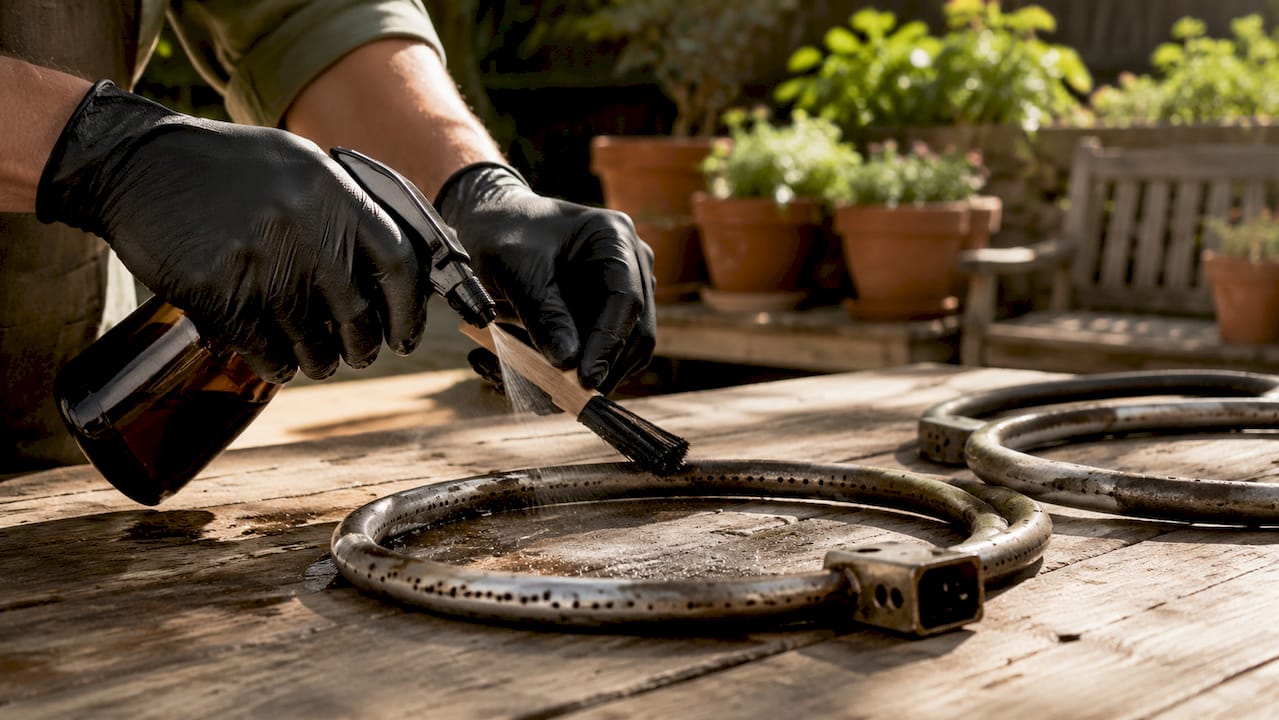
- Remove all ash and debris. Use a stiff brush and a dry cloth to clear the burner bowl, grate, and surrounding surfaces.
- Wash metal surfaces. Apply mild dish soap with a damp cloth, then rinse and dry thoroughly. Moisture left on metal is the starting point for rust.
- Disconnect and purge fuel lines. For propane models, turn off the gas at the tank, then run the burner briefly to clear residual gas from the line before disconnecting.
- Remove batteries from electronic ignition systems. Battery leakage in cold storage causes corrosion that leads to ignition failures when you pull the unit out again in spring.
- Clean glass tops and wind guards separately. Use a glass cleaner and wrap them in bubble wrap or soft cloth before storing flat or upright in a padded box.
- Apply a thin coat of food-grade mineral oil to bare metal surfaces to create a light protective barrier.
Pro Tip: After washing, use a hairdryer on a low setting to dry hard-to-reach crevices around burner ports. Even a small pocket of trapped moisture can start a rust spot within weeks.
Once every component is dry and disconnected, your fire pit is ready for its storage location.
What are the best practices for indoor storage and ongoing maintenance?
Getting the fire pit inside is only half the job. How you store it and monitor it over the weeks or months matters just as much.
Elevate the unit off the floor. Storing fire pits on cold concrete draws moisture up through direct contact, accelerating corrosion at the base. A wooden pallet, rubber mat, or a set of blocks keeps air circulating underneath.
Maintain air circulation around the cover. Do not push the fire pit flush against a wall or stack boxes on top of it. Air needs to move around the cover to prevent condensation from building up underneath.
Here is a summary of ideal storage conditions to aim for:
| Condition | Ideal Target | Why It Matters |
|---|---|---|
| Relative humidity | Below 50% | Reduces corrosion risk on metal parts |
| Temperature | 40°F–70°F | Prevents thermal stress on seals and hoses |
| Air circulation | Moderate, not sealed | Stops moisture from pooling under cover |
| Floor contact | None (elevated) | Prevents ground moisture absorption |
| Pest exposure | Minimal | Rodents chew hoses and wiring |
Set a monthly check-in reminder. During each check, lift the cover and look for rust spots, pest activity, or any cover damage. Damp, unventilated indoor storage can actually cause more damage than outdoor covered storage. That finding surprises most people, but it makes sense: outdoor covers breathe, while a sealed indoor corner traps humidity.
Safety note: If your storage space is also used for any fuel-burning activity, install a working smoke detector and a carbon monoxide detector nearby. Detection systems are critical for catching hazards early when any combustible fuel is present in an enclosed space.
Pro Tip: Check your storage area’s humidity with an inexpensive digital hygrometer from brands like Govee or ThermoPro. If readings consistently exceed 60%, add a small dehumidifier or increase ventilation before storing anything metal.
Which mistakes should you avoid when storing a fire pit indoors?
Most fire pit damage during storage comes from a short list of avoidable errors. Knowing them ahead of time saves you a frustrating repair bill.
Common mistakes to avoid:
- Storing propane tanks indoors. This is the most dangerous error. Propane storage indoors creates explosion risk from gas pooling near the floor. Always store tanks outside.
- Skipping the dry-out step. Putting a damp fire pit under a cover is like sealing moisture inside. Rust starts within days.
- Using airtight plastic covers. These trap condensation. Always choose breathable fabric covers.
- Leaving batteries in the ignition. Cold temperatures accelerate battery corrosion. Removing batteries before storage is a two-minute task that prevents a frustrating ignition failure later.
- Refueling near residual heat or vapor. Flame jetting occurs when liquid fuels vaporize and ignite explosively in confined spaces. Always confirm the flame is fully out and the unit is cool before handling fuel.
- Ignoring moisture buildup. Humidity causes corrosion that degrades metal fire pits silently over an entire off-season.
Safety reminder: Flame jetting incidents are rising as indoor fire pit use grows. Most cases involve users who did not wait long enough after extinguishing the flame before adding more fuel. Patience is the simplest safety tool you have.
Troubleshooting quick reference:
- Rust spots on metal: Sand lightly, apply high-heat spray paint or mineral oil, and improve ventilation.
- Ignition failure after storage: Replace batteries first. If that fails, inspect ignition wires for corrosion.
- Musty smell from burner area: Remove cover, air out for 24 hours, and add fresh silica gel packets.
Pro Tip: Test your smoke and carbon monoxide detectors every month, not just when you pull the fire pit out. If you store any fuel-related accessories indoors, those detectors are your first line of defense.
Key takeaways
Safe indoor fire pit storage requires moisture control, proper fuel disconnection, and consistent ventilation to protect your equipment and prevent hazards.
| Point | Details |
|---|---|
| Never store propane indoors | Propane tanks must stay outside in ventilated areas to prevent dangerous gas pooling. |
| Dry everything before covering | Trapped moisture under a cover starts rust within days; dry all parts thoroughly first. |
| Elevate off the floor | Use pallets or rubber blocks to stop ground moisture from corroding the base. |
| Remove batteries before storage | Battery leakage in cold conditions causes ignition failure; remove them every time. |
| Monitor monthly | Check humidity, pest activity, and cover condition at least once a month during storage. |
What i’ve learned about indoor fire pit storage that most guides skip
Most storage guides focus on the obvious steps: clean it, cover it, put it away. What they miss is the indoor environment itself. I’ve seen homeowners move a fire pit into a basement thinking “indoors equals safe,” only to pull it out in spring with more rust than if it had sat outside under a tarp. The culprit is always the same: a sealed, damp corner with no airflow.
The detail that surprises people most is the battery issue. Electronic ignition batteries seem harmless sitting in a unit for a few months. But in a cold, slightly damp storage space, they leak. That leak coats the ignition contacts in corrosion, and suddenly a perfectly good fire pit won’t light. It’s a two-minute fix before storage and a potentially expensive repair after.
For renters especially, storage space is limited. If you’re working with a small closet or a corner of a shared utility room, the breathable cover and silica gel packets become even more important. You can’t always control the environment, but you can control what happens directly around the unit.
My honest recommendation is to treat fire pit storage like you’d treat storing a good cast iron pan. Clean it, dry it completely, give it a light protective coating, and keep it somewhere with moving air. That mindset gets you 90% of the way there without needing a complicated system.
For anyone considering a fire pit that sidesteps many of these storage headaches entirely, check out Flaemme’s indoor fire pit safety tips for a practical look at how bio ethanol models simplify both use and storage.
— V&M
Flaemme makes indoor fire pit storage simpler
If the storage checklist above feels like a lot to manage, Flaemme’s bio ethanol tabletop fire pits are worth a look. These units run on clean-burning bio ethanol fuel, produce no smoke, and require no gas lines or propane tanks. That removes the two biggest storage headaches: propane safety and ventilation concerns.

Flaemme’s tabletop models are compact, portable, and designed for both indoor and outdoor use. When the season changes, storage is straightforward: wipe down the burner, store the fuel separately in a cool dry place, and tuck the unit away. No tanks, no complex disconnection steps, no corrosion from heavy metal components. Explore Flaemme’s smokeless fire pit collection to find a model that fits your space and lifestyle. Free delivery and 30-day returns are included across Europe.
FAQ
Can you store a propane fire pit indoors safely?
You can store the fire pit unit itself indoors, but the propane tank must always stay outside in a well-ventilated area. Propane is heavier than air and leaks can pool at floor level, creating a serious explosion risk.
How do you prevent rust during indoor fire pit storage?
Dry all components completely before covering, use a breathable fabric cover, elevate the unit off the floor, and place silica gel packets inside the burner bowl. These steps together prevent moisture from reaching metal surfaces.
Do you need to remove batteries before storing a fire pit?
Yes. Battery leakage during cold storage corrodes ignition contacts and causes failure when you try to use the fire pit again. Remove batteries every time before putting the unit away.
What is the safest indoor location for fire pit storage?
A dry, ventilated garage or climate-controlled utility room works best. Avoid damp basements without dehumidifiers, as unventilated indoor storage causes more corrosion damage than outdoor covered storage.
How often should you check a fire pit during indoor storage?
Check your stored fire pit once a month. Look for rust spots, moisture buildup under the cover, pest activity, and any damage to hoses or seals. A quick monthly inspection catches small problems before they become expensive ones.