What Is Home Ambiance? Your 2026 Design Guide
TL;DR:
- Home ambiance is the sensory atmosphere of a living space, shaped by light, sound, scent, texture, and layout. It influences emotional well-being by creating feelings of safety, comfort, and relaxation through intentional design. Adjusting lighting, managing acoustics, and layering sensory elements can transform a home’s mood and psychological impact.
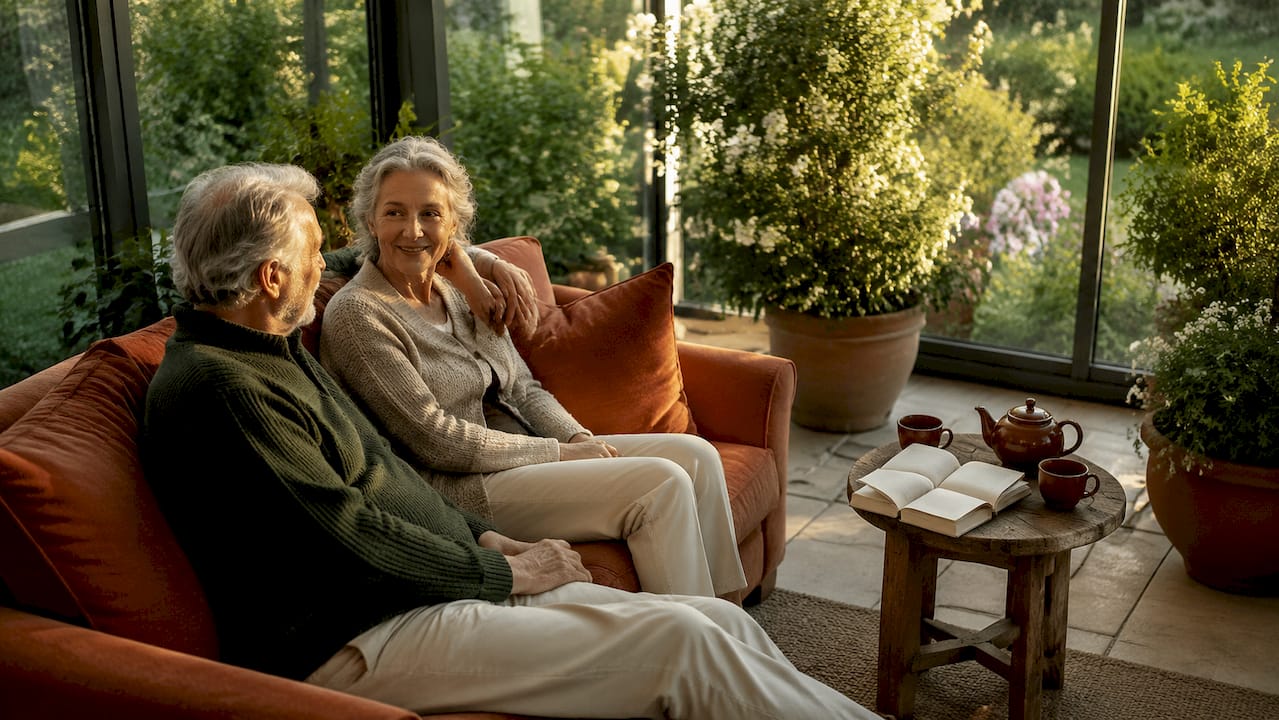
Home ambiance is the overall sensory atmosphere of a living space, shaped by the intentional design of light, sound, scent, texture, and spatial layout to evoke comfort and well-being. Interior designers and environmental psychologists refer to this concept as residential atmosphere, a term that captures how every sensory detail in a room works together to influence how you feel. Understanding what is home ambiance means recognizing that your space is not just a backdrop for daily life. It is an active force on your mood, stress levels, and sense of safety. Warm lighting, natural materials, and decluttered spaces are scientifically linked to lower cortisol and better emotional wellness.
What is home ambiance made of? the core sensory elements
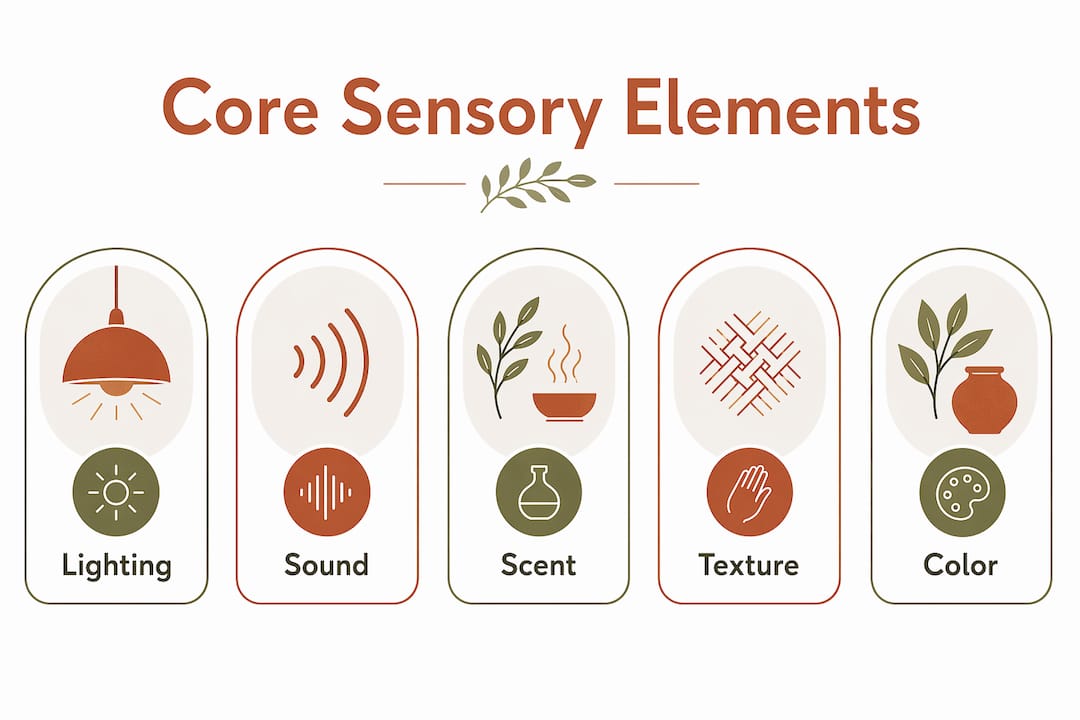
Home ambiance encompasses a holistic sensory experience involving light, sound, scent, texture, and layout, and each element influences your emotional and psychological state. Think of these five components as the building blocks of any inviting space. When they work in harmony, a room feels effortlessly cozy. When one is off, the whole atmosphere suffers.
Here is how each element contributes to the home atmosphere meaning:
- Lighting sets the emotional tone faster than any other element. Warm bulbs in the 2200K–3000K range signal relaxation, while harsh overhead lights trigger alertness.
- Sound shapes how private and contained a space feels. Natural materials like wood and woven textiles act as sound dampeners that reduce echo, making rooms quieter and more intimate.
- Scent connects directly to memory and emotion. Subtle fragrances from candles, diffusers, or fresh plants can anchor a feeling of comfort in a room within seconds.
- Texture adds tactile warmth. Soft throws, linen cushions, and woven rugs invite physical contact and signal that a space is meant for rest.
- Layout determines whether a room feels safe or exposed. Enclosed seating arrangements with clear sightlines create what designers call “prospect and refuge,” a neurological comfort zone.
Pro Tip: Start with one sensory layer at a time. Swap a single overhead bulb for a warm-toned floor lamp this week, then add a scent element next. Gradual layering makes it easier to notice what actually shifts the mood in your space.
The importance of home ambiance goes beyond aesthetics. Research confirms that these environmental factors reduce stress and support emotional wellness at a physiological level. Your home is either working for your nervous system or against it.
How does lighting shape the mood of your home?
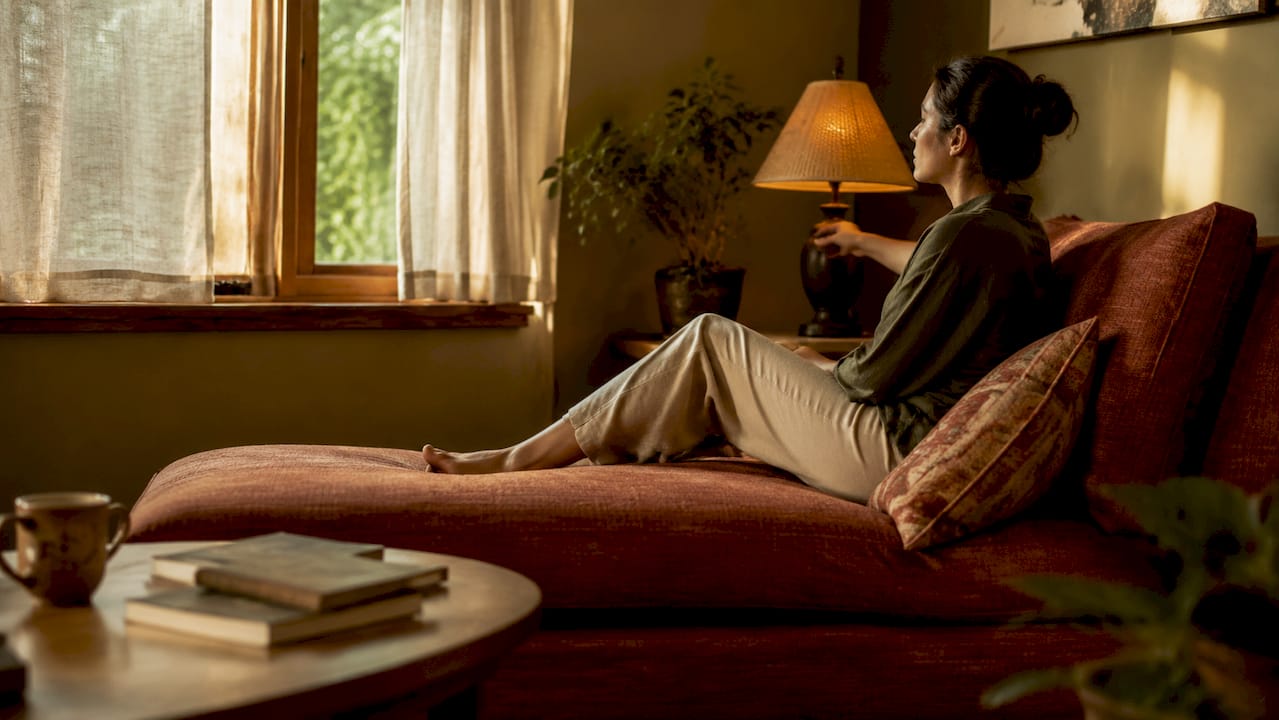
Lighting is the single most powerful tool for controlling home atmosphere. Warm white light at 2700K signals the brain to relax by mimicking sunset light, while anything above 5000K reads as midday and keeps you alert. This is not a design preference. It is a circadian rhythm response hardwired into human biology.
Most homes make the same mistake: one bright overhead fixture in the center of the ceiling. Architectural Digest notes that no bare bulbs should be visible in a cozy space. Lampshades, frosted domes, and diffusers scatter light softly, creating a warm glow rather than a spotlight effect.
The professional approach to lighting a cozy room follows a clear sequence:
- Remove or dim the overhead light. In the evening, eliminating overhead lighting and relying on two or more light sources below eye level creates a psychological sense of safety and intimacy.
- Add ambient light. Floor lamps and table lamps placed in corners fill the room with a soft, even glow without harsh shadows.
- Layer task lighting. A reading lamp or under-cabinet kitchen light handles function without flooding the whole room.
- Include accent lighting. Candles, LED strip lights behind shelving, or a tabletop fire pit add depth and visual interest.
“Professional interior designers use layered lighting to create depth and warmth throughout home spaces. A single overhead light creates a clinical feel that no amount of decor can fully fix.” — The Spruce
Dimmable fixtures are worth every penny. A dimmer switch on a floor lamp lets you shift the same room from a productive afternoon workspace to a relaxed evening retreat in seconds. That flexibility is the core of how to create ambiance that adapts to your life.
What design and decor strategies enhance home ambiance?
Great home decor ambiance tips always start with furniture placement, not purchases. Pulling furniture away from walls to create intimate groupings anchored by rugs fosters better energy flow and social connection. A sofa floating in the center of a room, facing a coffee table and two chairs, feels far more inviting than the same pieces pushed against four walls.
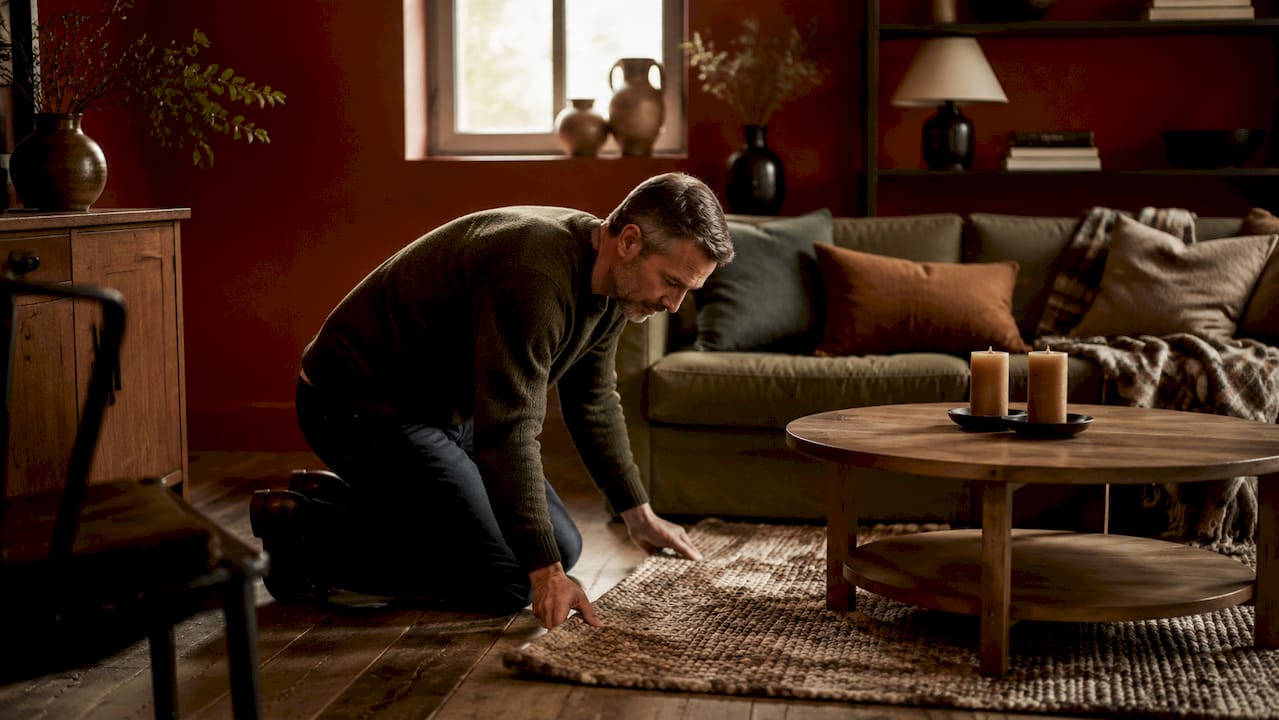
Color sets the emotional foundation of a space. Neutral color tones create a calming base that lets other sensory elements stand out without visual chaos. Think warm whites, soft taupes, and muted greiges as your walls and large furniture pieces. Then introduce color through textiles, art, and plants.
Here are the most effective home decor ambiance tips for transforming a space:
- Incorporate natural materials. Wood, stone, linen, and woven rattan add organic warmth that synthetic materials cannot replicate. They also improve acoustics by absorbing sound.
- Manage clutter deliberately. Clutter-free environments decrease stress and emotional fatigue. You do not need a minimalist aesthetic, but every surface needs breathing room.
- Use the human scale principle. Large wall art or tall lamps visually lower high ceilings, making a space feel contained and welcoming rather than cavernous.
- Add personal accents. Books, family photos, handmade objects, and collected items tell a story. They signal that a space is lived in and loved, which is the foundation of genuine warmth.
- Layer textiles. A rug on top of a rug, a throw over a chair, cushions in varying sizes. Layered textiles add visual depth and tactile comfort simultaneously.
Pro Tip: Before buying anything new, edit what you already have. Remove three items from a surface, rearrange your seating, and swap a cool-toned bulb for a warm one. Most spaces need subtraction before they need addition.
Understanding what influences home atmosphere reveals that small, intentional choices consistently outperform expensive renovations when it comes to how a room actually feels.
How do you tailor home ambiance to your space and lifestyle?
The principles of home atmosphere meaning apply universally, but the execution depends on your space size, daily routine, and personal taste. A 400-square-foot studio apartment requires different strategies than a four-bedroom house, and a night-shift worker needs different lighting logic than someone who works a standard schedule.
The table below compares ambiance strategies across two common scenarios:
| Factor | Small Space (Studio or One-Bedroom) | Larger Space (Multi-Room Home) |
|---|---|---|
| Lighting | One warm floor lamp per zone creates distinct areas without walls | Layer lighting room by room; use dimmers in living and dining areas |
| Furniture | Multifunctional pieces (storage ottomans, sofa beds) keep floors clear | Float furniture groupings away from walls to define intimate zones |
| Scent | One subtle diffuser near the entrance sets the tone for the whole space | Use different scents per room: calming lavender in the bedroom, fresh citrus in the kitchen |
| Texture | A single large rug and two throw pillows add warmth without crowding | Layer rugs, throws, and cushions across multiple seating areas |
| Decor | Limit surfaces to three to five personal items to avoid visual noise | Create curated vignettes on shelves and side tables throughout the home |
Versatile decor items are your best investment for adapting ambiance to your mood. Candles, portable lamps, and tabletop fire pits let you shift the sensory character of a room without moving furniture. A cozy home atmosphere is not a fixed state. It is something you dial up or down depending on whether you need rest, focus, or connection.
Balancing sensory stimuli matters too. Overstimulation, too many competing scents, too much visual pattern, or constant background noise, undermines the calm you are trying to build. The goal is layered richness, not sensory overload. Choose two or three strong sensory anchors per room and let them do the work.
Key takeaways
Home ambiance is a neurological experience, not just a visual one. The most effective approach combines warm lighting below eye level, natural materials, and intentional sensory layering to shift your nervous system from alert to at rest.
| Point | Details |
|---|---|
| Lighting is the foundation | Use warm bulbs (2200K–3000K) and layer floor lamps, table lamps, and candles below eye level. |
| Sensory layering creates depth | Combine light, scent, texture, and sound control for a cohesive, calming atmosphere. |
| Furniture placement matters | Float seating away from walls and anchor groupings with rugs to create intimate zones. |
| Neutral colors calm the mind | Use neutral palettes as a base and introduce warmth through textiles, plants, and personal accents. |
| Adapt to your space and lifestyle | Small spaces need editing and multifunctional pieces; larger homes benefit from room-by-room sensory zones. |
The part most people get wrong about home ambiance
I have spent years studying how people respond to their own living spaces, and the pattern is consistent: most people redecorate when what they actually need to do is re-sense. They buy new furniture when the real problem is a single cold overhead bulb. They add more objects when the room needs fewer.
Creating cozy home ambiance is not just aesthetic. It is a neurological response that shifts the nervous system from alert to rest mode. That reframe changes everything. Once you understand that your brain is reading your room for safety signals, you stop asking “does this look good?” and start asking “does this feel safe and warm?”
The biggest mistake I see is overreliance on overhead lighting. It is the single fastest way to make a beautiful room feel like a waiting room. The second biggest mistake is ignoring acoustics. Hard floors, bare walls, and no soft furnishings create echo that registers subconsciously as cold and unwelcoming, even when the decor looks perfect.
My honest recommendation: spend one evening in your home with all overhead lights off. Use only lamps, candles, or a tabletop fire. Notice what changes. That experiment will teach you more about your home’s ambiance than any design article, including this one.
— V&M
Add instant warmth to any room with Flaemme
If you want to experience the sensory impact of layered light and warmth without any installation, Flaemme’s bio ethanol tabletop fire pits are designed exactly for that moment.

Flaemme’s smokeless, portable fire pits burn bio ethanol fuel cleanly, with no chimney, no gas line, and no smoke. They produce a real, living flame that adds soft, warm light and gentle radiant heat to any room or outdoor space. Place one on a coffee table, a dining table, or a balcony railing and the atmosphere shifts immediately. Explore Flaemme’s tabletop fire pit collection and find the model that fits your space. Free delivery across Europe and 30-day returns make it easy to try. Learn more about creating warm ambiance with a real flame. →
FAQ
What does home ambiance mean?
Home ambiance refers to the overall sensory atmosphere of a living space, created through the combination of lighting, scent, sound, texture, and spatial layout. It directly influences emotional comfort, stress levels, and psychological well-being.
What is the most important factor in home ambiance?
Lighting is the most influential factor. Warm bulbs between 2200K and 3000K trigger melatonin production and signal relaxation, while layering multiple light sources below eye level creates intimacy and psychological safety.
How can i quickly improve my home’s atmosphere?
Replace any cool-toned overhead bulbs with warm-toned (2700K) floor or table lamps, add one subtle scent source like a candle or diffuser, and remove clutter from at least one surface. These three changes produce an immediate shift in how a room feels.
Does furniture placement affect home ambiance?
Yes. Pulling furniture away from walls and anchoring seating groupings with a rug creates intimate zones that feel more welcoming. This design principle supports the neurological sense of prospect and refuge that makes spaces feel safe.
What is the difference between home ambiance and home decor?
Home decor refers to the visual objects and furnishings in a space. Home ambiance is the sensory and emotional experience those objects, along with lighting, scent, and sound, collectively produce. Decor is what you see; ambiance is what you feel.